
Host Immune Response
A tiny splinter in your finger triggers a massive, invisible war inside your body. You might ignore the small prick, but your internal systems immediately recognize the breach as a major security threat.
The First Line of Defense
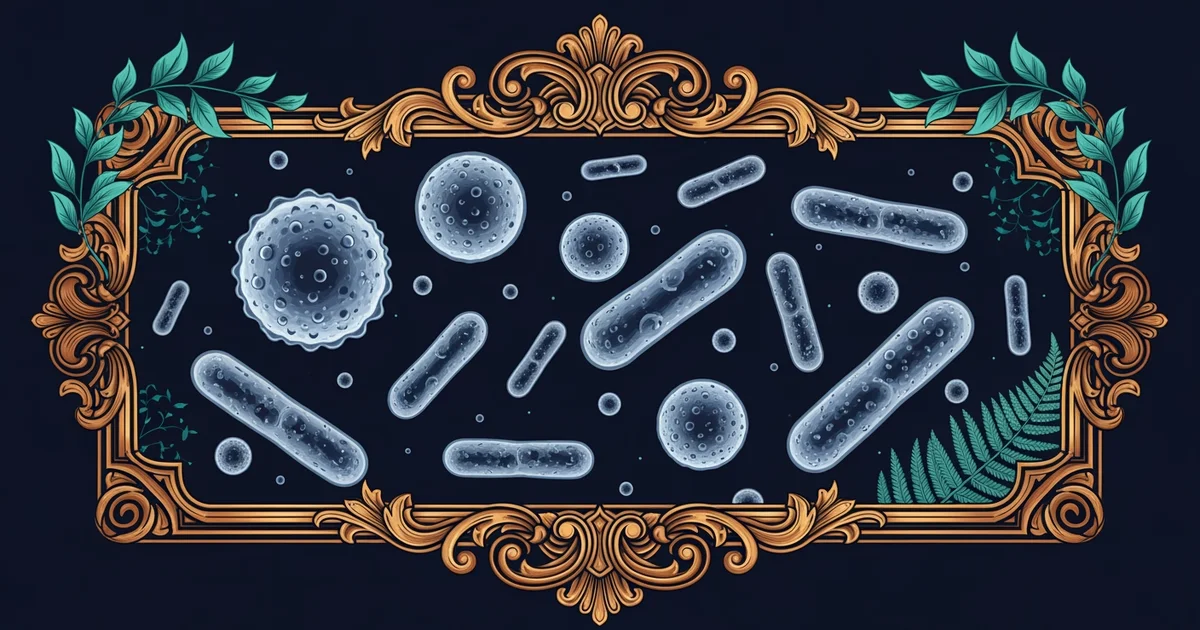
When pathogens enter the body, your immune system acts like a high-security border patrol. It must identify foreign invaders before they can multiply and cause lasting damage to your tissues. This process starts with innate immunity, which provides a rapid, non-specific response to any incoming threat. Your skin and mucous membranes serve as physical walls that block most bacteria from entering your bloodstream. If these walls are breached, specialized cells arrive to neutralize the threat through a process known as phagocytosis. Think of this like a city's sanitation crew that removes trash and debris to keep the streets safe. These cells patrol your tissues constantly to ensure no foreign particles remain undetected for long. By engulfing and destroying these invaders, they prevent minor injuries from becoming dangerous, widespread infections.
Key term: Phagocytosis — the process where specialized immune cells engulf and digest harmful particles or bacteria to protect the body.
Once the initial patrol identifies a threat, the body initiates a more targeted response to ensure complete safety. This secondary phase involves the adaptive immune system, which learns to recognize specific invaders over time. It relies on complex communication between various cell types to coordinate an effective counterattack against the pathogen. Without this ability to remember past threats, your body would struggle to fight the same illness twice. This memory allows for a faster and stronger response if the same pathogen returns later. It is essentially like upgrading your security software to recognize a specific virus that previously caused a system crash. This adaptation ensures that your body remains resilient against recurring health challenges throughout your entire life.
Coordinating the Cellular Response
Your immune system relies on a diverse team of cells, each with a unique role in the defense effort. When a pathogen enters, these cells work in perfect harmony to contain and eliminate the danger effectively. The following table outlines how different white blood cells contribute to your overall health and safety during an infection.
| Cell Type | Primary Function | Role in Defense |
|---|---|---|
| Neutrophils | Rapid response | First responders that kill bacteria quickly |
| Macrophages | Cleanup | Scavengers that digest debris and signal others |
| Lymphocytes | Precision | Specialized cells that recognize specific pathogens |
These cells do not act alone because they require chemical signals to know where to go. They release proteins to call for backup when the number of invaders exceeds their capacity. This chemical signaling serves as a beacon that guides more immune cells to the site of injury. By concentrating their forces at the point of entry, they minimize the risk of the infection spreading further. This organized movement is critical for maintaining your health when you encounter new or persistent environmental pathogens. Every single interaction between these cells is part of a larger plan to keep your biological systems functioning properly.
Understanding how these cells function helps us appreciate the complexity of our own internal biology. When you feel a slight ache or notice redness after a cut, you are witnessing this battle firsthand. That inflammation is actually a sign that your body is working hard to protect you from harm. While it may feel uncomfortable, it is a necessary part of the healing process that restores balance. Recognizing these signs allows us to better support our health through rest and proper care during illness. Your body is constantly managing these threats without you ever needing to consciously direct its complex operations. This silent, persistent work is what allows humans to thrive in a world filled with invisible, microscopic challenges.
The immune system functions as a dynamic, multi-layered defense network that uses both immediate physical barriers and specialized cellular memory to neutralize threats.
But what does this process look like when we consider how these pathogens move between different hosts in our environment?
Want this with sources you can check?
Premium Learning Paths for Biological Sciences are researched against open-access libraries — PubMed, arXiv, government databases, and more — with their distinctive claims cited to real sources and independently checked.
See what Premium includes