
Global Disease Outbreaks
A single sneeze in a crowded airport can trigger a chain reaction that spans the entire globe within days. When invisible pathogens move through modern transportation networks, they turn local health concerns into major international events that require rapid coordination. Understanding how these outbreaks spread allows scientists to model risks before they escalate into full crises. By analyzing past patterns, we can better predict how new threats might behave in our interconnected world.
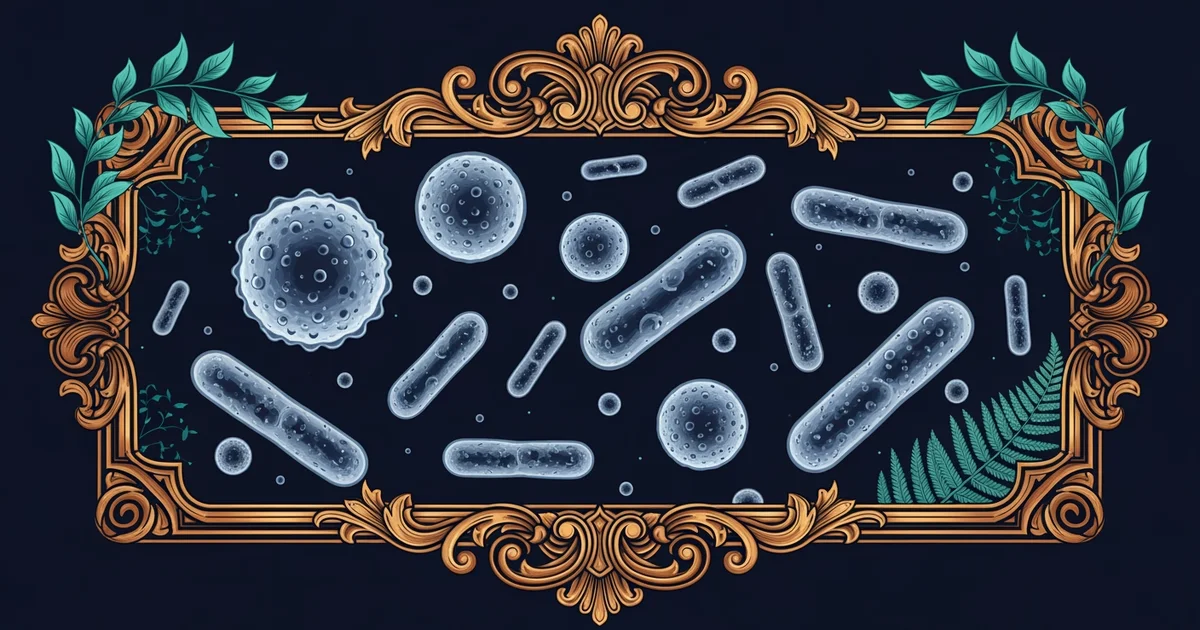
Tracking the Path of Transmission
When a new disease emerges, the first step involves identifying the primary mode of transmission. Pathogens often spread through respiratory droplets, contaminated surfaces, or insect vectors that carry the germs from one host to another. Scientists look at the R-naught value, which represents the average number of people one sick person will likely infect. If this number stays above one, the disease spreads exponentially until the population develops immunity or changes their behavior. This process is much like a wildfire that needs enough fuel to keep burning across a dry forest landscape.
Key term: Pathogen — a biological agent such as a virus or bacterium that causes disease in its host organism.
Modeling the spread of these illnesses requires data from many different sources to create an accurate picture. We look at population density, travel habits, and the specific biology of the microbe to forecast its path. In previous lessons, we learned about diagnostic microbiology, which helps us identify these threats quickly. Now, we use that knowledge to map where the pathogen might move next. This synthesis of data helps public health officials decide where to focus their limited resources to stop the chain of infection.
Managing Global Health Infrastructure
Effective management of an outbreak depends on the strength of the local health systems involved. If a country has robust testing and reporting protocols, they can isolate cases before the virus moves to neighboring regions. Many outbreaks fail to become global pandemics because early detection allows for quick containment strategies. We can compare the effectiveness of different containment methods using the following table to see how they impact the total number of infections.
| Strategy | Focus Area | Primary Goal | Effectiveness |
|---|---|---|---|
| Quarantine | Individuals | Stop transmission | High |
| Vaccination | Population | Build immunity | Very High |
| Surveillance | Data | Early detection | Moderate |
These strategies work together to create layers of protection that prevent the pathogen from finding new hosts. Surveillance systems act like an early warning radar that detects movement long before a threat becomes visible to the general public. When we combine this with vaccination efforts, we create a barrier that effectively starves the pathogen of the fuel it needs to continue its journey. Without these combined efforts, the risk of a local outbreak turning into a global crisis increases significantly for every person on the planet.
How do these invisible organisms continue to shape our health despite our advanced scientific tools? This question forces us to consider the tension between human mobility and our biological vulnerability to evolving microbes. We must constantly balance the need for global connection with the reality that pathogens exploit these same networks to survive. As we look toward the future, we must ask if our current diagnostic and containment methods will remain sufficient against new, more resilient threats. The challenge lies in creating systems that are both flexible enough to adapt and strong enough to protect our shared global health.
Predicting the movement of new diseases requires integrating data on human travel patterns with the biological traits of the specific pathogen.
Looking ahead, we will explore how future innovations in microbiology might change our ability to prevent these global outbreaks before they even begin.