
Antimicrobial Resistance
Imagine taking a prescribed medicine for a common infection, only to find that your symptoms persist despite finishing the entire course. This frustrating experience highlights a growing challenge in modern medicine where bacteria evolve to survive the very treatments designed to eliminate them. When pathogens adapt, they render standard medical tools ineffective, turning once manageable health issues into complex clinical problems that require new strategies to overcome effectively.
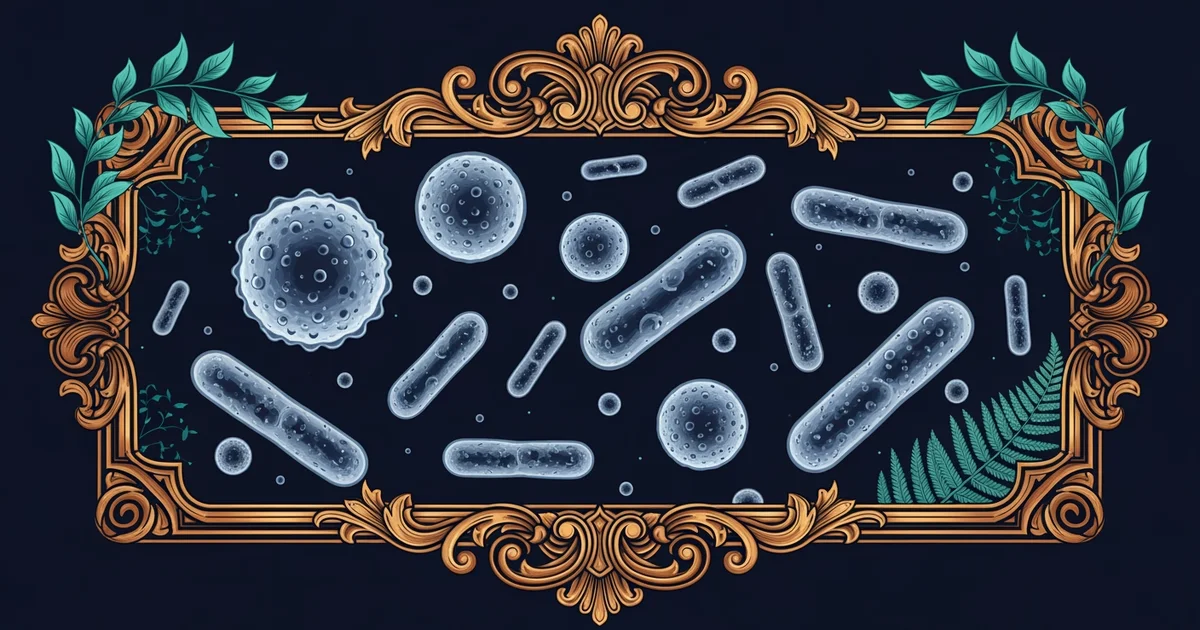
The Mechanics of Bacterial Adaptation
Bacteria exist in a state of constant change, driven by their rapid reproductive cycles and genetic flexibility. When these microorganisms encounter harmful substances like antibiotics, they experience intense selective pressure that favors the survival of the most resilient individuals. Think of this process like a business trying to stay profitable during a sudden economic downturn where only the most efficient companies survive the market shift. The bacteria that possess slight genetic advantages can withstand the chemical attack, allowing them to multiply while their less capable neighbors perish. Over time, the entire population shifts toward these resistant traits, making the previously effective medicine useless against the new, hardened generation of microbes.
Key term: Antimicrobial resistance — the ability of microorganisms to withstand the effects of drugs that once successfully killed them or inhibited their growth.
This evolutionary process is not random, but follows clear biological rules that govern how life responds to environmental stress. Bacteria can acquire these survival traits through mutations in their own genetic code or by sharing protective tools with other nearby bacteria. This exchange often happens through tiny loops of DNA that carry instructions for building defenses against specific drugs. Once a bacterium learns to neutralize a medicine, it passes this knowledge to its descendants, creating a line of defense that persists long after the initial exposure ends. The speed at which these changes occur depends on how often the bacteria face these chemical threats, as frequent exposure accelerates the selection of resistant strains.
Factors Influencing Microbial Evolution
Several human actions contribute to the rising tide of resistance, often by providing bacteria with unnecessary chances to practice their survival skills. When patients use antibiotics for viral infections, they kill off helpful bacteria while leaving the harmful ones to develop new defensive techniques. This misuse creates a training ground where pathogens refine their resistance strategies without any immediate benefit to the person being treated. Furthermore, the agricultural use of these drugs in livestock can create reservoirs of resistant bacteria that eventually move into human environments. Managing these risks requires a balanced approach to medication use, ensuring that we preserve our current tools for when they are truly necessary for survival.
| Factor | Impact on Resistance | Mechanism of Action |
|---|---|---|
| Overuse | Increases selection | Drives rapid evolution |
| Misuse | Weakens defenses | Eliminates competition |
| Exposure | Promotes transfer | Spreads genetic traits |
Understanding these variables helps researchers design better policies to slow down the spread of resistance across global populations. By limiting unnecessary exposure, we reduce the pressure on bacteria to evolve, keeping our medical options open for future needs. The following points summarize why this issue remains a primary focus for scientists:
- Genetic mutation allows individual bacteria to develop unique defenses that protect them from chemical interference during an active infection.
- Horizontal gene transfer enables bacteria to swap protective genetic material, spreading resistance traits across different species in a very short time.
- Selective pressure ensures that only the strongest, most resistant bacteria survive to reproduce, effectively training the population to ignore our medicines.
These mechanisms demonstrate that resistance is a natural consequence of biological competition rather than a simple failure of the medicine itself. We must view these interactions as a dynamic game of strategy where the goal is to outsmart the pathogens before they adapt to our best available defenses. By respecting the power of these tiny organisms, we can make informed decisions about our own health and the health of our communities.
The development of resistance is a natural evolutionary response where bacteria adapt to survive chemical threats by selecting for traits that render standard medical treatments ineffective.
But what does it look like in practice when we consider the next step in our medical defense, specifically the role of preventative measures in stopping infections before they start?