
Histone Modifications
Imagine your DNA is a massive library containing millions of books but only some are open. Your cells need a way to decide which pages stay readable and which pages stay closed tight. This selection process determines how your body functions and how your cells grow over time. Without a way to manage this data, your cells would become chaotic and lose their specific identity. You can think of your genetic material as a long string of thread wrapped around tiny protein spools. These spools act like anchors that keep the genetic code organized within the tight space of the cell.
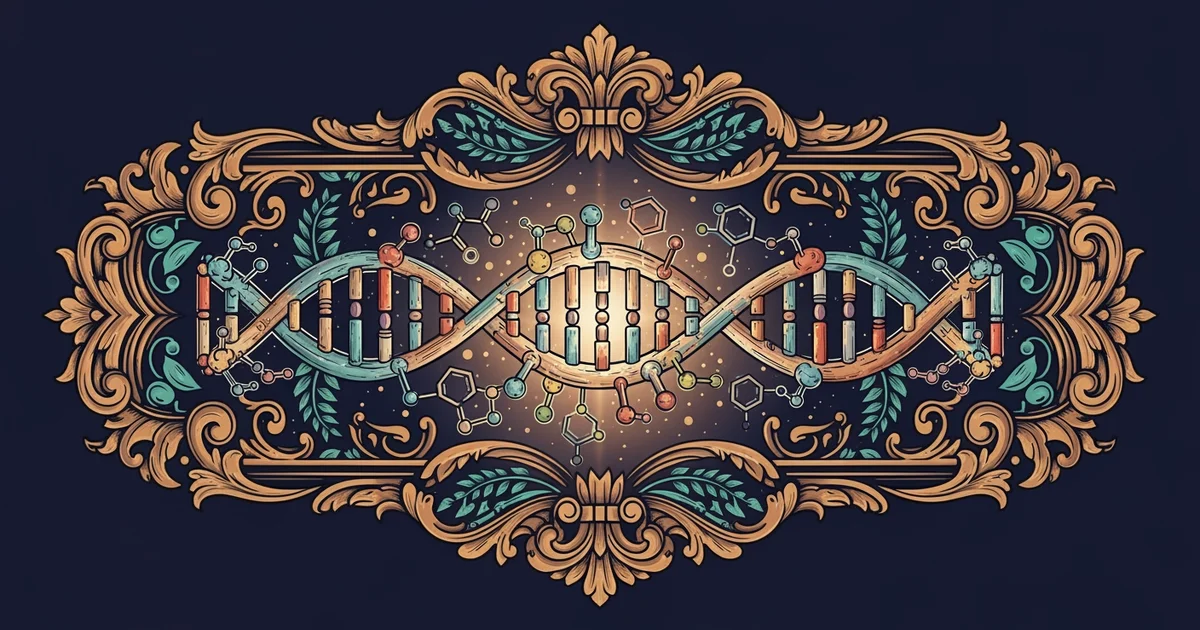
The Role of Histone Proteins
These protein spools are known as histones, which provide the essential structure for your coiled genetic material. When your DNA wraps tightly around these spools, the genetic instructions become hidden and difficult for the cell to read. This physical state effectively locks away specific genes so they cannot be activated or used by the cell. Conversely, when the DNA loosens its grip on these spools, the genetic code becomes exposed and accessible. The cell can then read the instructions to build important proteins that keep your body running smoothly. This simple mechanical shift acts as a gatekeeper for your entire genetic library.
Key term: Histones — the structural proteins that act as spools for your DNA to wrap around.
Chemical Tags and Accessibility
Cells use chemical markers to control how tightly the DNA wraps around these protein spools. One common chemical change is acetylation, which adds a small molecule to the histone protein structure. This addition changes the electrical charge of the histone and causes the DNA to loosen its grip. When the DNA relaxes, the cell can easily access the genes that were previously hidden away. Think of this like loosening a tight knot on a scroll so you can finally read the text inside. This process allows your cells to turn on specific genes that are needed for current tasks.
Another important process is methylation, which involves adding a different chemical group to the histone proteins. This change often makes the DNA wrap more tightly around the spool and prevents access to genes. While acetylation acts like a green light for gene reading, methylation acts like a red light. These two processes work together to ensure that your cells only use the genes they need. By balancing these two chemical signals, your body maintains precise control over its complex genetic instructions.
| Process | Chemical Action | Effect on DNA | Resulting Gene Status |
|---|---|---|---|
| Acetylation | Adds acetyl group | Loosens grip | Gene is accessible |
| Methylation | Adds methyl group | Tightens grip | Gene is inaccessible |
| Neutral | No added group | Stable state | Default gene control |
This table shows how different chemical tags dictate whether your genetic instructions remain open or closed. By switching these markers on or off, your cells can adapt to changing needs throughout your life. This dynamic system explains how your lifestyle can influence which parts of your DNA remain active. Your daily choices help determine the chemical environment that controls these tiny molecular switches in your cells. Understanding these switches provides a clear picture of how your genetic legacy remains flexible and responsive to your environment.
Chemical tags on histone proteins function as molecular gatekeepers that determine which segments of your genetic code are accessible for use.
The next Station introduces Non-Coding RNA Roles, which determines how these genetic signals are refined and regulated.