
Methylation Patterns
Imagine your DNA as a massive library where every book contains the instructions for your body. Sometimes, you need to lock certain shelves to keep specific books from being read by the librarians. This process of locking away genetic information is how your body manages complex tasks without changing the actual text. When your cells need to silence a gene, they use a chemical tag to seal the instructions tightly. This ensures that only the genes needed for a specific cell type remain active and ready for use.
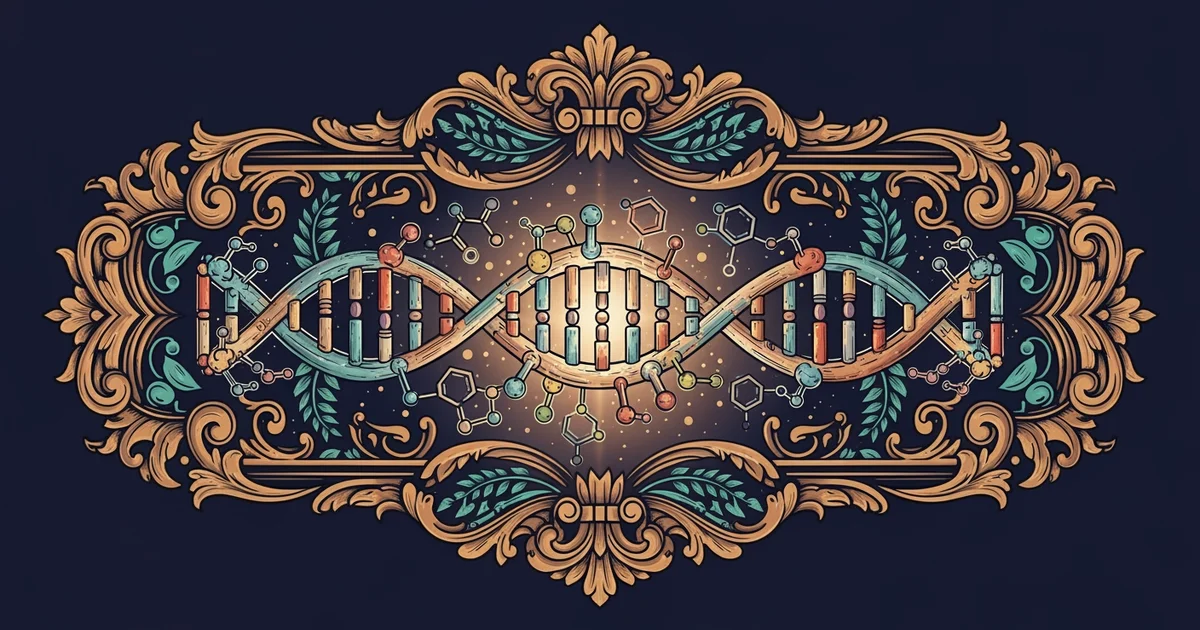
The Mechanism of Gene Silencing
Your body uses a process called DNA methylation to control which genes stay active in your cells. During this process, a small molecule known as a methyl group attaches to the DNA strand. This chemical tag usually sits on a specific spot near the start of a gene sequence. When these tags cluster together, they act like a heavy padlock on a door. The cellular machinery that reads your genetic code cannot access the promoter region once the lock is set. Because the machinery cannot attach to the start of the gene, the cell stops producing the protein encoded there. This simple chemical change does not alter the underlying genetic code at all. Instead, it changes how that code is accessed by the various systems in your body. This allows one set of DNA to create many different cell types, like skin or muscle cells, by simply hiding the instructions that are not needed.
Key term: Methylation — the addition of a chemical methyl group to DNA which effectively silences specific gene expression.
Think of this process like using high-quality tape to cover specific words in a long instruction manual. The words are still written on the page, but the person following the manual cannot see them. If you remove the tape, the instructions become readable once again. This is exactly how your cells manage their internal library of genetic information over long periods. Environmental factors, like your diet or stress levels, can influence where these tags are placed throughout your life. This means that your daily habits might determine which genes are being taped over or left open for business. By controlling these locks, your body ensures that every cell performs its unique job without confusion.
Mapping the Impact on Transcription
Once the methyl groups are attached to the promoter regions, the cell enters a state of restricted gene activity. This state is crucial for maintaining the stability of your tissues as you grow and age. The following table shows how different levels of this chemical tagging affect the overall function of your body:
| Tagging Level | Gene Status | Cellular Outcome | Frequency |
|---|---|---|---|
| Low | Active | High protein levels | Common |
| Moderate | Regulated | Balanced expression | Constant |
| High | Silenced | No protein produced | Rare |
When the cell detects a need for more protein, it can remove these tags through specialized enzymes. This dynamic nature of the process allows your body to respond quickly to changing environmental demands. If a cell stays in a high-tagging state for too long, it might lose the ability to perform its original function. This balance between adding and removing tags is the foundation of how your genetic legacy remains flexible. Your life choices directly influence the activity of these enzymes, which then decide which gene doors remain locked. By understanding this system, you can see how your environment and your biology work together in a constant dance.
Methylation acts as a chemical switch that determines gene availability without changing the underlying genetic sequence.
The next Station introduces histone modifications, which determine how tightly your DNA is coiled around structural proteins.