
Future Expansion Scenarios
Imagine you are building a house on a cliff where the ground shifts and the wind never stops blowing. To survive, you must design a structure that adapts to the environment rather than fighting against the inevitable forces of nature. Humanity now stands at a similar cliff regarding space expansion, as we look toward building permanent cities on distant moons and planets. We must move beyond simple research stations to create living environments that function as independent ecosystems. This transition requires us to balance life support technology with the harsh reality of living in a vacuum.
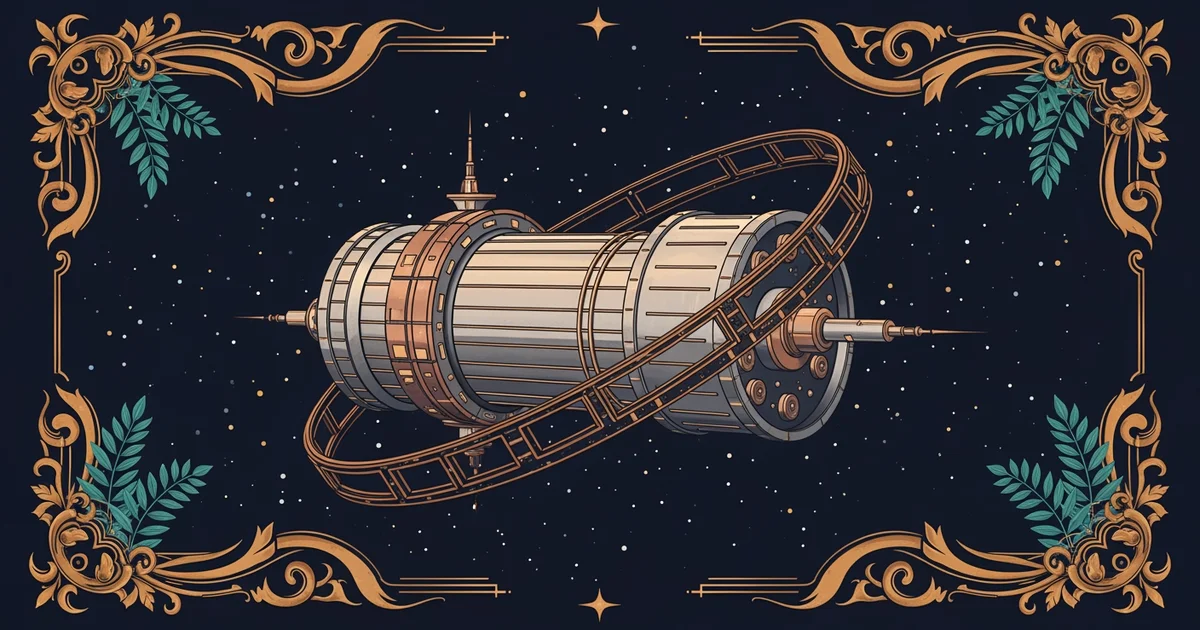
The Evolution of Habitat Design
Building sustainable space cities requires us to integrate lessons from previous habitat modeling and life support systems. We must view these habitats as closed loops where every gram of matter is recycled to prevent resource depletion. Think of a space city like a luxury cruise ship that never docks at a port to take on fresh supplies. If the ship loses its water or air, it cannot simply pull into a harbor to refill its tanks. Every drop of water and every breath of air must be scrubbed, filtered, and returned to the system for immediate reuse.
Key term: Bioregenerative life support — a system that uses plants and microbes to recycle air and water while producing food for the crew.
This system relies on biological processes to maintain the balance of oxygen and carbon dioxide within the habitat. By using plants to absorb waste gases, we create a living lung for the city that grows and repairs itself over time. This approach reduces our reliance on heavy mechanical pumps that might fail during long missions. When we combine this with advanced materials science, we can create structures that protect human life from radiation while maintaining internal pressure.
Planning for Future Expansion
Predicting the timeline for these cities requires us to look at the logistical steps needed for long-term survival. We must first establish a reliable supply chain that brings raw materials from the moon or asteroids to the construction site. This reduces the cost of launching heavy supplies from Earth's deep gravity well into space. Once we have a steady stream of resources, we can scale our habitats from small research outposts to permanent, self-sustaining cities.
| Phase | Primary Goal | Resource Focus | Timeline Estimate |
|---|---|---|---|
| One | Lunar Base | Solar Power | Near-term |
| Two | Mars Colony | Water/Ice | Mid-term |
| Three | Orbit City | Asteroid Ore | Long-term |
These phases reflect the progression of our technical capabilities as we learn to live off the land. We must manage the interaction between human biology and low-gravity environments to ensure long-term health. The following steps outline how we might scale our presence in space over the coming decades:
- Establish automated mining rigs to collect water and minerals from frozen lunar poles.
- Deploy modular, inflatable habitat units that expand once they reach their destination.
- Implement large-scale solar arrays to provide energy for manufacturing and atmospheric processing.
- Launch permanent human crews to manage the city's growth and maintain the infrastructure.
By following this path, we avoid the risks of rushing into deep space without adequate preparation. We must also address the open question of how human society will govern itself when separated from Earth by millions of miles. This challenge remains the largest hurdle for future expansion scenarios, as we do not yet have a framework for space-based law or resource management that satisfies all nations involved in the effort. The goal is to build a foundation that lasts for generations rather than just a temporary site for short-term exploration.
Permanent space cities will only succeed when we treat them as fully closed, self-repairing ecosystems that rely on local resources rather than constant shipments from Earth.
The future of space expansion depends on our ability to turn these theoretical models into functional, long-term homes for humanity.