
Power Generation Strategies
Power grids on Earth rely on a vast network of wires and local stations to keep the lights on. Building a city in deep space requires a different approach because you cannot simply plug into a planetary grid when you are millions of miles away from home. Every watt of energy must be generated on-site using technology that functions reliably in a harsh vacuum. Engineers must choose between capturing raw energy from the sun or creating internal power through physics processes that mimic the heart of a star. This choice defines how a space city survives the long, cold nights of the solar system.
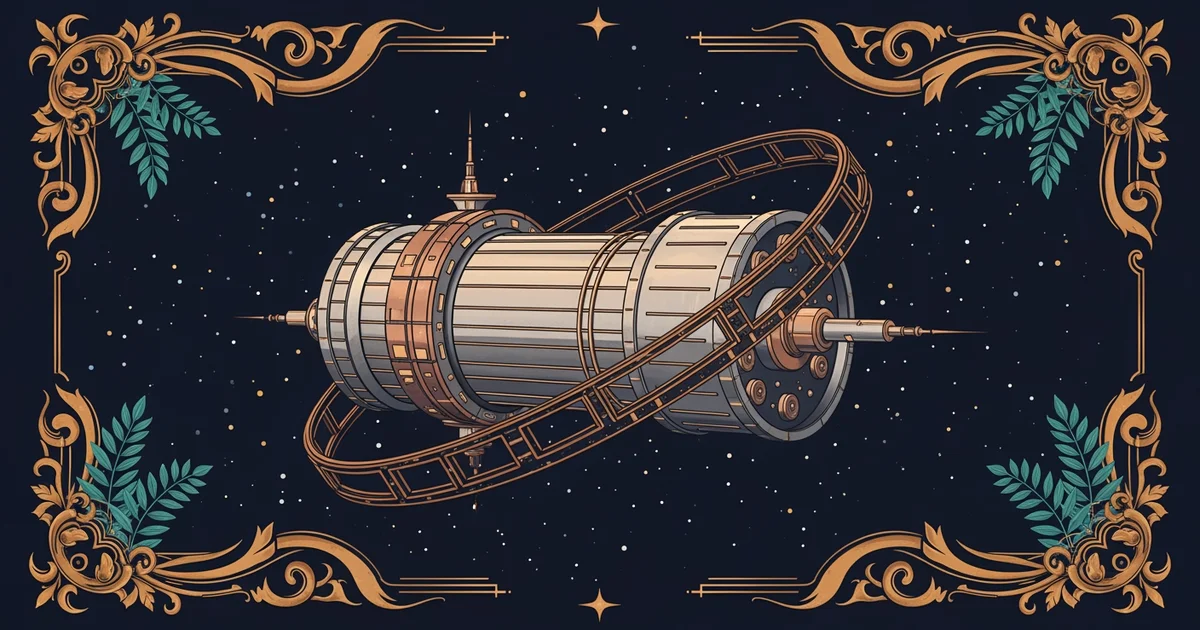
Comparing Solar and Nuclear Energy Sources
Solar power collection involves massive arrays of panels that convert light into electricity through the movement of electrons. These systems work best when a city remains close to a star because sunlight intensity follows the inverse square law. As the distance from the sun increases, the available energy drops rapidly, making solar power less effective for deep space outposts. Think of solar power like a rain barrel catching water during a storm; when you move away from the rain, the barrel stays empty regardless of how large you make the opening. This limitation forces designers to consider alternative methods for missions beyond the asteroid belt.
Key term: Photovoltaic array — a collection of panels designed to capture photons from light and convert them into usable electrical current.
Nuclear power provides a steady stream of energy regardless of the city's distance from a star. By using controlled fission, engineers release heat to drive turbines or generate electricity through thermal conversion. This process acts like a battery that does not run out, provided that the fuel supply remains stable and the cooling systems function correctly. While solar power depends on the whims of light availability, nuclear energy offers a predictable output that supports heavy industrial tasks. Cities that require constant power for life support and manufacturing often choose nuclear sources to ensure that their systems never fail.
Selecting Optimal Energy Strategies
Choosing the right energy source requires a careful balance between the city's location and its power needs. Solar arrays are lightweight and easy to maintain, but they require large surface areas to capture enough energy for a growing population. Nuclear reactors are compact and powerful, but they add significant weight and require complex safety protocols to manage radiation and heat. The following table highlights the primary trade-offs between these two systems for space-based city planning:
| Feature | Solar Array | Nuclear Reactor |
|---|---|---|
| Energy Source | Sunlight | Fissionable Fuel |
| Primary Strength | Low Maintenance | Constant Output |
| Main Weakness | Distance Sensitive | High Complexity |
| Best Usage | Inner Solar System | Outer Solar System |
When planners design a city, they often combine these technologies to create a resilient system. A hybrid approach allows a station to use solar energy when light is abundant while switching to nuclear power during eclipses or deep space travel. This strategy ensures that critical systems like oxygen generation and water recycling remain operational under all conditions. Relying on a single source of power represents a major risk in an environment where failure can lead to catastrophic consequences. By diversifying the energy portfolio, a space city protects its inhabitants from the unpredictable nature of the cosmos.
Reliable energy for space cities requires a hybrid strategy that matches power generation methods to the specific distance and resource constraints of the local environment.
With the power systems secured, how does the city manage the complex flow of materials needed to keep these massive structures running?