
Biosphere Management
When the International Space Station crew harvests their first crop of space-grown lettuce, they are performing a delicate high-stakes balancing act of chemistry and biology. This process mirrors how a small business owner must carefully track inventory and overhead costs to ensure that the shop remains profitable over the long term. Just as a shop owner manages limited shelf space and cash flow, space colonists must manage their biosphere to keep life thriving in a vacuum. This is an extension of the resource management principles discussed in Station 10, where we balanced raw material inputs against output demands.
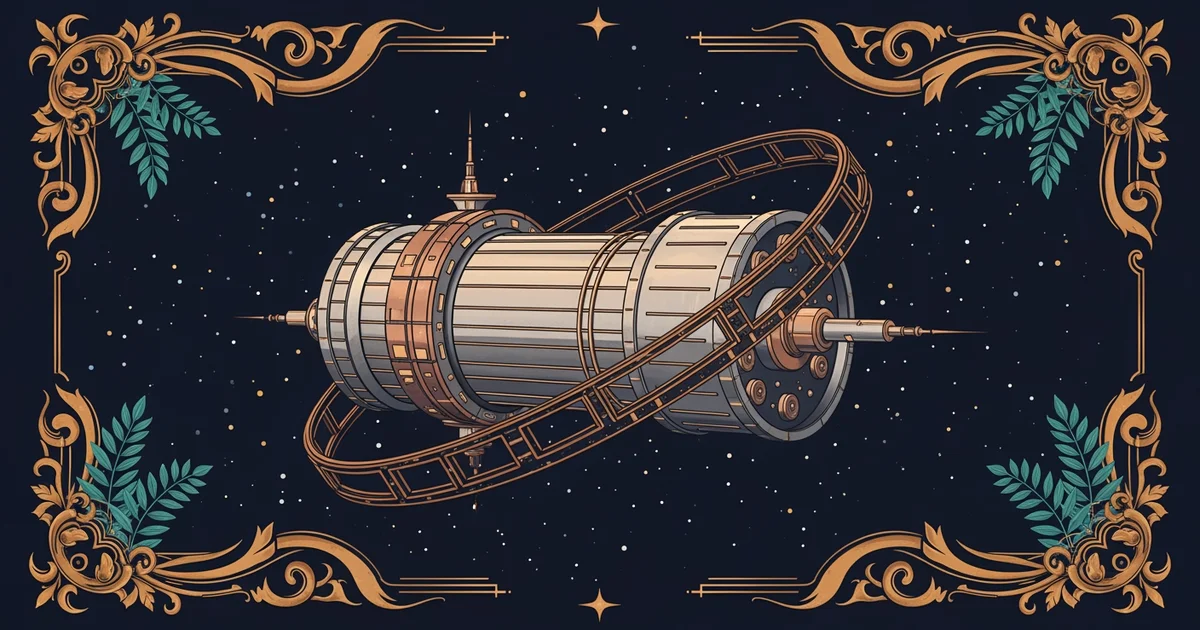
Creating Closed Loop Ecosystems
To survive beyond Earth, we must build a system where waste becomes fuel for the next cycle of growth. This requires a regenerative life support system which functions like a perfectly efficient circular economy within a sealed metal container. Plants act as the primary engines of this system by converting carbon dioxide into oxygen while simultaneously cleaning wastewater through natural filtration. If we ignore this cycle, the habitat quickly accumulates toxic levels of waste, leading to system failure. By integrating plant biology directly into the architecture of the habitat, we turn a dead mechanical box into a living, breathing environment that supports human life.
Key term: Regenerative life support system — a habitat management strategy that recycles air, water, and waste to maintain a self-sustaining environment for human occupants.
The Engineering of Space Gardens
Designing a garden for space travel involves more than just planting seeds in soil because gravity is essentially non-existent. Without the natural pull of gravity, water floats in dangerous blobs that can drown plant roots or short-circuit sensitive electrical equipment. Engineers must use specialized substrates or hydroponic systems to deliver nutrients directly to the root zone while keeping water contained. The following table highlights the essential components required to maintain a healthy space garden in orbit or on another planet.
| Component | Function | Maintenance Requirement |
|---|---|---|
| LED Array | Provides specific light spectrum for photosynthesis | Replace diodes every two years |
| Hydroponic Tray | Delivers water and mineral nutrients to roots | Flush system to prevent mineral buildup |
| Air Scrubber | Removes excess humidity and ethylene gas | Change charcoal filters every six months |
| Nutrient Injector | Maintains precise chemical balance in water | Recalibrate sensors for optimal plant growth |
These systems must work in perfect harmony to ensure the plants stay healthy enough to support the crew. If the nutrient injector fails or the air scrubber clogs, the entire biosphere can collapse within hours. This demonstrates the fragility of life when removed from the protective blanket of Earth's atmosphere and placed in an artificial environment.
Balancing Biological Inputs and Demands
Managing a biosphere requires constant monitoring of the biological load versus the mechanical capacity of the life support hardware. We must calculate the exact amount of oxygen produced by a specific square meter of leafy greens to determine how many humans that garden can support. If the population of the habitat increases, the garden must expand proportionally to match the rising demand for fresh air and clean water. This represents a constant struggle between the biological needs of the crew and the physical constraints of the habitat's limited interior volume.
- Monitor gas exchange rates to ensure oxygen levels remain stable for human respiration.
- Adjust light intensity based on the growth stage of the plants to maximize caloric output.
- Recycle plant biomass through composting to provide essential nutrients for the next crop cycle.
- Screen for pathogens that could spread rapidly in a closed environment with limited ventilation.
By following these steps, we create a stable environment that reduces our dependence on supply shipments from Earth. This level of autonomy is the only way to sustain long-term missions to distant locations where resupply is impossible. We are essentially building an artificial Earth that must perform all the services our planet provides for free. The success of our future cities depends entirely on our ability to master this complex biological dance of recycling and growth.
True sustainability in space requires the integration of biological cycles into habitat engineering to create a self-correcting life support loop.
But this model of plant-based life support becomes significantly more difficult to maintain when long-term human psychological health is factored into the design of the habitat.