
Preservation and Heritage
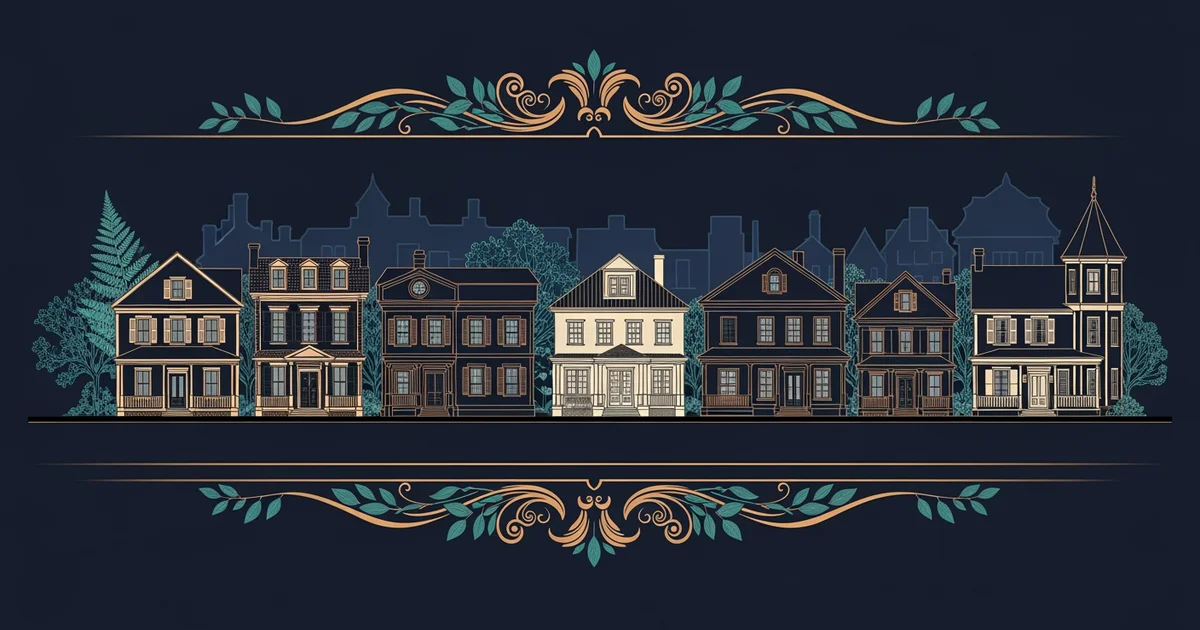
Imagine walking down a street where every single house looks exactly the same, like a row of identical plastic toys. You might find this order comfortable, but you would lose the unique stories that different eras tell about our shared past. When we talk about historic preservation, we are talking about saving the physical evidence of how our ancestors lived, worked, and solved problems. Protecting these structures is like keeping the pages of a history book open so that future generations can read them clearly. If we tear down everything old to build something new, we erase the context that explains why our modern cities look the way they do today.
The Value of Architectural Continuity
Building on the idea of architectural evolution, we must look at how past designs influence our current environment. Older homes often feature craftsmanship and materials that are simply too expensive to replicate in modern construction projects. When you maintain a historic home, you are not just keeping a roof over your head, you are curating a piece of local art. This process provides a sense of stability, acting as an anchor in a world that changes very quickly. It reminds us that our current architectural trends are just one chapter in a much longer narrative of human creativity.
Key term: Adaptive reuse — the process of repurposing an existing building for a new function while maintaining its original historic character.
This method allows us to honor the past while meeting the needs of a growing population. Instead of demolishing a century-old factory to build a parking lot, we can turn that space into apartments or offices. This keeps the soul of the neighborhood intact while adding modern utility to the structure. By choosing to adapt rather than destroy, we reduce waste and maintain the unique character that defines our community identity. It is a balancing act between respecting our heritage and ensuring our buildings remain useful for the people living in them right now.
Navigating the Challenges of Preservation
Because preservation requires a lot of effort, we must understand the trade-offs involved in keeping these structures. The following table highlights common tensions between maintaining history and modern development goals:
| Factor | Historic Preservation | Modern Development |
|---|---|---|
| Costs | High initial repair costs | Lower construction costs |
| Utility | Limited by original design | Optimized for current needs |
| Character | Preserves unique aesthetic | Creates uniform efficiency |
| Sustainability | Saves embodied energy | Uses new green technology |
When you think about these trade-offs, consider that preservation acts like a savings account for culture. You might not see the interest on your investment every single day, but the value grows over time as the rarity of the structure increases. If you spend all your capital on new construction, you might have plenty of space, but you will eventually find yourself in a place that feels empty and disconnected from the past. We need both the new and the old to create a vibrant, livable environment for everyone.
Balancing Progress with Heritage
To create a plan for local preservation, you must first identify the buildings that hold the most cultural weight in your area. This involves looking beyond the age of the house and focusing on the stories or events tied to the location. You should engage with your community to see what features people value the most, as shared history creates a stronger sense of belonging. Once you have identified these landmarks, you can advocate for policies that provide tax incentives for owners who choose to restore rather than replace. This collaborative approach turns preservation into a community project rather than a burden for individual homeowners. By working together, we ensure that the physical markers of our history remain standing for years to come.
Preservation serves as a vital bridge between our past and future, ensuring that the unique cultural narrative embedded in our architecture remains accessible to everyone.
Understanding how we value and protect our built environment provides the final piece of the puzzle for appreciating the homes that shape our lives.