
Ambient Layering Techniques
Imagine you walk into a room where every single corner glows with the same harsh light. You feel like you are standing inside an empty white box with no depth or visual interest. This flat feeling happens because the space lacks the necessary variety to guide your eyes across the room. Designers solve this visual boredom by using ambient layering, which is the process of building light levels in stages. Think of this method like dressing for a cold winter day by wearing several layers of warm clothing. You start with a base layer for warmth, add a sweater for comfort, and finish with a coat for protection against the wind. Each layer serves a specific purpose while working together to create a comfortable, functional, and visually balanced environment for everyone.
The Three Tiers of Light
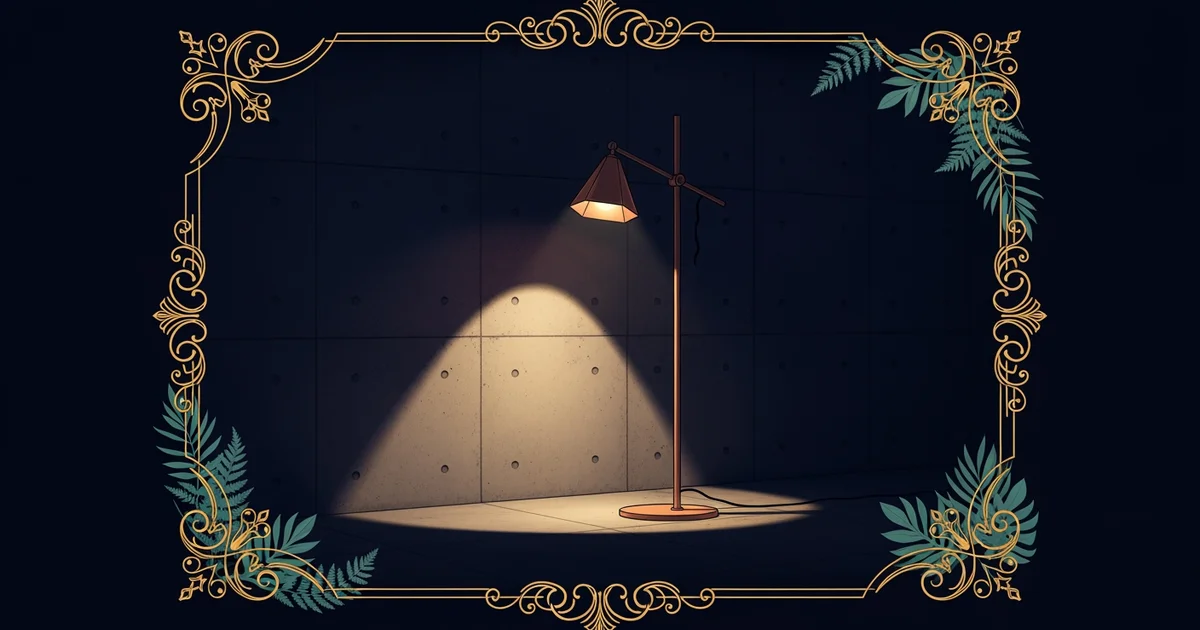
Building on your understanding of human brightness perception, you must now learn how to divide a room into distinct zones. Ambient lighting acts as the foundation of your design by providing a soft, overall glow that fills the entire space. You create this effect by placing light fixtures at varying heights and angles to ensure no dark shadows remain. Once the base layer is set, you introduce secondary layers that highlight specific walls or architectural details in the room. This approach prevents the space from looking like a flat, two-dimensional photograph. By controlling where the light hits the surfaces, you gain the power to make a room feel larger or more intimate.
Key term: Ambient layering — the strategic use of multiple light sources at different intensities to create depth, visual interest, and functional comfort within a single space.
To master this technique, you should categorize your fixtures based on the specific role they play in the room. Most professional designs rely on a balanced mix of overhead, wall-mounted, and portable lamps to achieve a professional result. You can use the following table to organize your lighting choices for any interior space you decide to design:
| Light Type | Primary Role | Best Placement | Effect Created |
|---|---|---|---|
| Overhead | General base | Ceiling center | Uniform coverage |
| Wall Wash | Surface glow | Vertical walls | Spatial expansion |
| Accent | Visual focus | Corners or art | Depth and drama |
Balancing Light Intensity
After establishing your base, you must adjust the intensity of each layer to ensure they harmonize rather than compete. If your overhead lights are too bright, they will wash out the subtle glow from your wall fixtures. You should aim for a soft transition between the brightest spots and the darkest shadows in the room. This balance mimics natural daylight, which changes in intensity throughout the day to keep us feeling comfortable. When you successfully layer these sources, you transform a simple physical space into a dynamic experience that changes as you move through it. Always remember that the goal is to create a seamless flow of light that guides the eye naturally.
To ensure your design remains effective, you must consider the texture of your walls and furniture. Rough surfaces will catch the light and create small shadows, while smooth surfaces will reflect the light to make the room feel much brighter. You can adjust your ambient layers by choosing bulbs with different color temperatures to match the mood you want. A warm light creates a cozy atmosphere for relaxing, while a cooler light helps people stay alert and focused. By combining these physical elements with your layered approach, you gain full control over the mood of any environment. This process requires patience and careful testing to find the perfect balance for your unique room layout.
Successful ambient layering transforms a flat room into an immersive environment by combining multiple light sources into a balanced and cohesive visual experience.
The next Station introduces Task Lighting Essentials, which determines how specific activities influence your overall lighting plan.