
Elements of Design
Imagine you are building a house from scratch without any blueprints, tools, or structural plans. You would likely end up with a pile of wood that cannot stand against the wind. Visual art works in the same way because it relies on a specific set of rules to keep the composition stable. These rules are known as the Elements of Design, and they provide the essential framework for everything we see in photography, painting, and digital media. Without these building blocks, an image lacks the internal logic required to guide a viewer through the scene effectively.
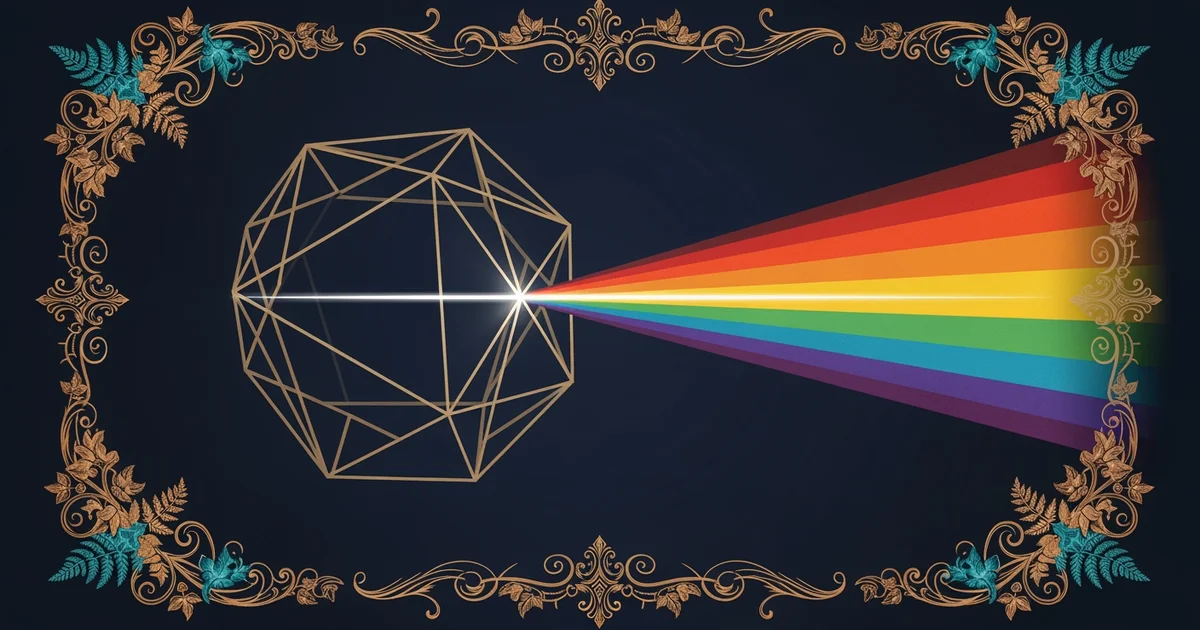
The Anatomy of Visual Structure
Design elements function like the ingredients in a complex recipe that determine the final taste of a meal. If you consider a chef preparing a gourmet dinner, they must balance salt, fat, and acid to create a dish that feels complete. Similarly, artists use these basic units to organize their work so the human brain can process the information without feeling overwhelmed or confused. When you look at a photograph, your eyes are constantly searching for these structural markers to understand what is important. By mastering these components, you gain the ability to decode complex visual messages that surround you every single day.
Key term: Elements of Design — the fundamental components that artists use to build a visual composition, including line, shape, form, space, and texture.
Every professional image you encounter online or in magazines uses these elements to influence your emotional response. You might notice how a sharp, jagged line creates a sense of tension or how a soft, circular shape feels comforting and safe. These reactions are not accidental because our brains are hardwired to interpret geometric cues in predictable ways. By identifying these patterns, you can see how photographers manipulate light and shadow to tell specific stories about their subjects. This process of visual analysis is the first step toward becoming a creator rather than just a passive observer of the world.
Categorizing Essential Visual Components
To understand how these elements function together, we must look at the primary tools that define the boundaries of a visual frame. These components act as the skeleton of the image, holding everything together while allowing for creative expression within that structure. The following list explains the core elements that every artist must consider when planning a new piece of work:
- Line acts as the primary path for the eye to travel across a frame, guiding the viewer toward the most important focal point while establishing the overall mood of the scene.
- Shape defines the two-dimensional boundaries of an object, providing a clear silhouette that helps the brain quickly categorize and recognize the subjects present within the composition.
- Texture adds a layer of physical or visual depth to the surface of an object, suggesting how it might feel to the touch if you were standing right there.
When these elements combine, they create a balanced environment that feels natural and easy to navigate for the human eye. Think of this like the layout of a city street grid, where lines represent the roads and shapes represent the buildings that define the space. If the roads are too messy or the buildings are scattered, the city becomes difficult to navigate and loses its functional purpose. A well-designed image works exactly like a well-planned city, ensuring that the viewer knows exactly where to look and how to move through the visual information provided.
| Element | Primary Function | Emotional Impact |
|---|---|---|
| Line | Directing focus | Tension or flow |
| Shape | Defining boundaries | Stability or chaos |
| Texture | Adding realism | Comfort or grit |
By comparing these three elements, we can see how they work in harmony to build a complete visual experience. A strong line creates movement, while a solid shape provides a place for the eye to rest. Adding texture brings the image to life by simulating the physical world, which makes the scene feel more authentic and immediate to the viewer. When you practice identifying these elements in your own photos, you will start to see the hidden structure behind every image you encounter in your daily life.
The elements of design provide the necessary architecture that allows a viewer to navigate and interpret the complex visual information within any image.
The next Station introduces Color Theory, which determines how light and emotion work together to influence your perception of the elements identified here.