
Complex Multi-Light
Professional lighting setups often fail when photographers rely on a single source to define their entire scene. You might have mastered basic illumination, yet your images still feel flat or lack the depth seen in high-end cinematic work. Achieving a professional look requires managing multiple lights that interact across the subject and the background simultaneously. This process transforms your subject from a simple target into a three-dimensional character within a complex visual story. By layering light, you gain the artistic control needed to guide the viewer’s eye exactly where it needs to go.
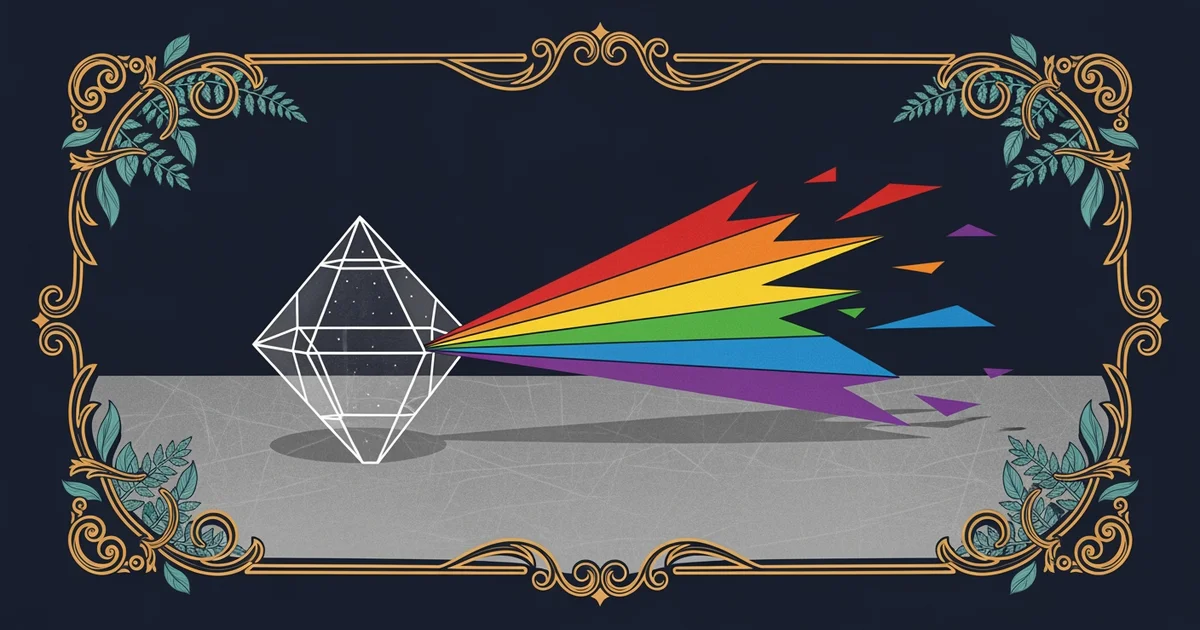
Balancing Multiple Light Sources
When you introduce multiple lights, you must treat each source as a specific tool with a unique purpose. The key light acts as your primary sun, establishing the main shape and direction of shadows on your subject. You then add a fill light to soften those harsh shadows, which prevents the image from losing detail in the darkest areas. Think of this process like painting a portrait where the key light provides the structure, while the fill light adds the subtle textures that make the subject feel real. Without the fill light, your image remains too high in contrast, hiding important details from the audience.
Key term: Key light — the primary light source in a photography setup that dictates the overall direction and intensity of shadows on the subject.
Once your primary and fill lights are balanced, you must consider the relationship between the subject and the space around them. You previously learned about background separation, which prevents your subject from blending into the environment behind them. In a complex multi-light setup, you can use a dedicated rim or hair light to carve the subject out of the background. This light catches the edges of the hair or shoulders, creating a thin highlight that separates the subject from the dark backdrop. Using these lights together allows you to build a scene that feels deep, professional, and visually intentional.
Orchestrating Artistic Control
Integrating these lights requires a systematic approach to ensure your artistic vision remains consistent across the entire set. You should place your lights in a logical order to maintain control over the final exposure and mood. Start by setting your main light, then add the fill to balance the shadows, and finish with the accent lights for depth. This sequence prevents you from getting lost in the complexity of having four or five lights running at once. If you struggle to see the effect of one light, turn off the others to isolate its impact on the scene.
| Light Type | Primary Purpose | Placement Strategy | Impact on Image |
|---|---|---|---|
| Key Light | Shape and form | 45 degrees side | Defines the subject |
| Fill Light | Shadow control | Opposite the key | Softens the mood |
| Rim Light | Edge separation | Behind the subject | Adds depth layers |
Managing these lights effectively requires you to think about the foundation question: how can you master light to transform ordinary objects into professional, cinematic visual stories? You achieve this by balancing the intensity of each source to create a hierarchy of light. The brightest light should always be the one that tells the most important part of the story. If your rim light is brighter than your key light, the viewer will look at the edges of the subject instead of their face. You must constantly adjust your power settings to ensure the light hierarchy supports your narrative goals rather than distracting from them.
As you refine these setups, consider how the light quality changes the emotional tone of your work. Hard, direct light creates tension and drama, while soft, diffused light feels inviting and calm. By combining these qualities across multiple sources, you can create a unique atmosphere that feels truly cinematic. The challenge lies in keeping the setup clean, as too many lights can create messy, overlapping shadows that confuse the viewer. Always ask yourself if every light in your setup is truly necessary for the final story you wish to tell.
Mastering complex multi-light setups requires balancing the intensity and purpose of each source to create a clear, three-dimensional narrative hierarchy.
Now that you can control multiple light sources, you must learn how to standardize your process to ensure consistent results across different shooting environments.