
The Nature of Light
Imagine you are standing in a dark room holding a single, flickering candle in your hand. As you move the flame closer to a textured wall, the harsh light reveals every tiny bump and crack on the surface. When you pull the flame away, the surface suddenly appears smooth and soft because the light rays hit it from a wider angle. This simple observation shows how light behaves as the primary tool for shaping how we perceive the world. Mastering these basic properties allows you to control the mood and feeling of every image you capture.
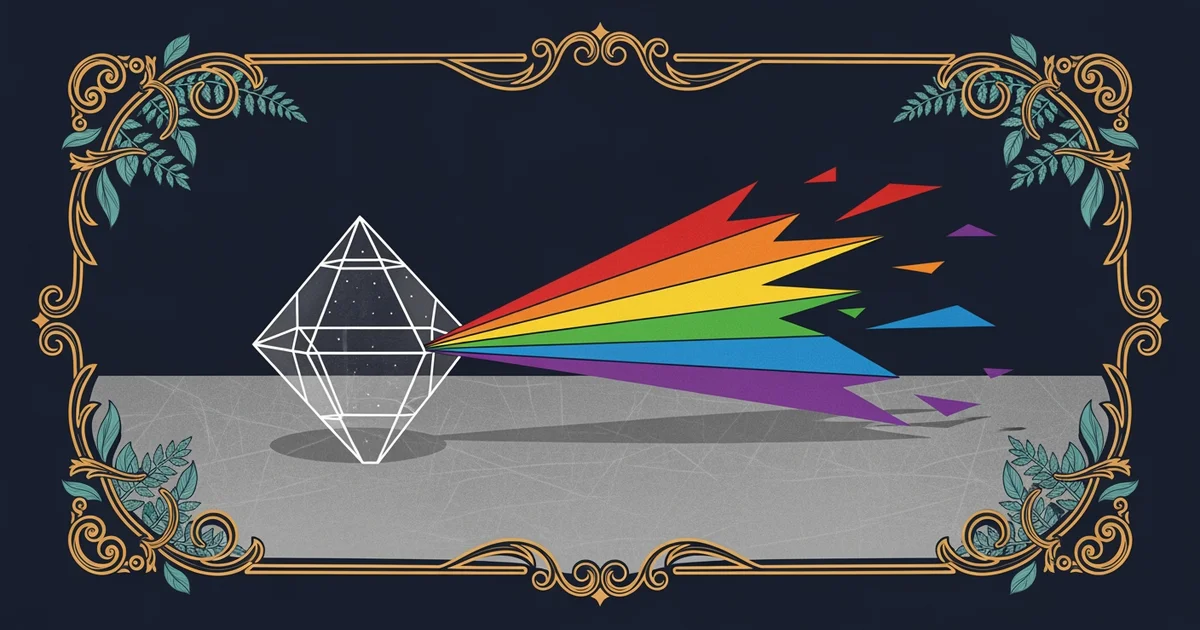
The Physics of Light Direction
Light behaves much like a stream of water flowing from a garden hose toward a target. If you point the hose directly at an object, the water hits with great force and creates a very specific splash pattern. In photography, this is known as hard light, which creates sharp edges and deep, dark shadows that define the shape of your subject. When you diffuse the water by placing a spray nozzle on the hose, the stream spreads out and hits the object from many different angles. This results in soft light, which wraps around the object and fills in the gaps to create a gentle, even glow that hides harsh textures.
Key term: Light Quality — the physical characteristic of light that determines how sharp or soft the transition between illuminated areas and shadows appears to the viewer.
Understanding these two qualities helps you decide how to present your subject to the camera lens. Hard light is often used when you want to emphasize grit, texture, or dramatic tension in a scene. Soft light is better for portraits or scenes where you want to minimize imperfections and create a feeling of comfort. You can change the quality of light by adjusting the distance between your light source and the subject. Moving the source closer makes the light appear larger relative to the subject, which naturally creates a softer transition between light and dark areas.
Analyzing Light Behavior
Beyond direction and quality, you must consider how light interacts with the surfaces in your environment. Light rays travel in straight lines until they strike an object, where they either bounce off, pass through, or get absorbed by the material. You can categorize these behaviors to predict how your scene will look before you even press the shutter button. By observing these interactions, you gain the power to manipulate your environment to suit your creative vision for the final image.
| Interaction Type | Resulting Effect | Best Use Case |
|---|---|---|
| Reflection | Bouncing light | Filling in dark shadows |
| Transmission | Passing through | Creating soft, diffused glows |
| Absorption | Soaking up light | Increasing contrast in a scene |
These three behaviors allow you to build complex lighting setups using only a few basic tools. Reflecting light off a white wall acts like a mirror to bounce light into areas that would otherwise remain too dark. Using a thin white sheet to transmit light creates a large, soft source that mimics the gentle glow of a cloudy day. Absorbing light with black fabric helps you control stray light that might otherwise wash out the details of your subject. By mastering these fundamental properties, you will learn how to transform ordinary objects into professional, cinematic visual stories that capture the viewer's attention and tell a compelling narrative through the careful application of light.
Mastering the quality and behavior of light allows you to sculpt the appearance of any subject by controlling how shadows and highlights interact with the surrounding environment.
By understanding these core concepts, you will complete this path with the ability to design professional lighting setups that turn simple scenes into cinematic masterpieces.