
Low Key Dramatics
Shadows stretch across the floor as the sun dips below the horizon, turning a familiar room into a mysterious landscape of deep, hidden corners. You can capture this same cinematic intensity indoors by mastering the art of controlled darkness known as low key lighting.
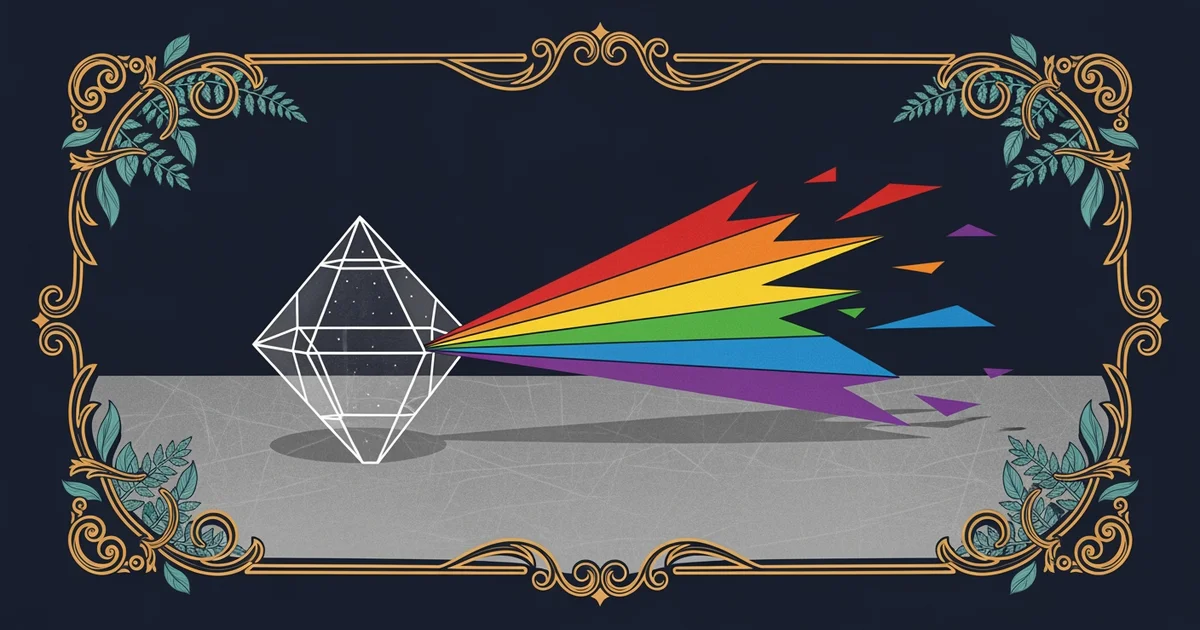
Shaping Mood Through Selective Exposure
When you build a low key scene, you prioritize the presence of dark tones over bright highlights to create an atmosphere of mystery. You start by blocking most ambient light sources from the room to ensure your subject does not blend into a flat, gray background. By controlling the light intensity, you force the viewer to focus only on the most important details of your subject. Think of this process like a spotlight in a darkened theater that reveals a single actor while leaving the rest of the stage in complete obscurity. This technique relies on high contrast to define shapes through the edges of light rather than illuminating the entire frame. You must carefully position your light source to ensure that the shadows provide depth instead of just hiding your subject completely from the camera lens.
Key term: Low key lighting — a photographic style that emphasizes dark tones and high contrast to create a moody, dramatic aesthetic.
Because your goal is to maintain deep blacks, you should avoid using reflective surfaces that might bounce light back into the shadows. You can manage these dark areas by using black fabric panels, which absorb excess light and prevent it from spilling onto your subject. These panels act like a sponge for light, soaking up stray photons so your shadows remain clean and intense. If your shadows look muddy or gray, you likely have too much light bouncing around your studio space. You should move your light source closer to the subject to tighten the beam and sharpen the transition between light and dark areas. This careful management ensures that the brightest parts of your image pop against the surrounding darkness, creating a powerful visual impact that draws the eye immediately.
Precision Control and Light Modifiers
Once you establish the dark environment, you must choose the right tools to sculpt the light hitting your subject. A bare light bulb often creates harsh, ugly shadows that lack the refined look of professional photography. You should use a light modifier to soften the beam or direct it precisely toward your subject without hitting the background. These tools allow you to control the size and shape of the illuminated area with incredible accuracy. The following tools represent the most effective ways to manage light for dramatic effects:
- Grid attachments restrict the beam of light into a narrow, focused cylinder that illuminates only a small portion of your scene.
- Barn doors provide adjustable metal flaps that you can move to block light from hitting specific parts of the wall.
- Snoots create a tiny, circular pool of light that mimics a focused spotlight for highlighting small details or specific textures.
Using these modifiers requires patience because even a small adjustment to the light angle changes the entire mood of your photograph. You should experiment with the distance between the light and the subject to see how the falloff changes the intensity of the shadows. As you move the light further away, the transition from light to dark becomes much sharper and more abrupt. If you move the light closer, the transition becomes softer and more gradual across the surface of your subject. You must find the balance that best supports the story you want to tell with your image.
| Modifier Type | Primary Function | Best Use Case |
|---|---|---|
| Grid | Focuses beam | Small, tight highlights |
| Barn Doors | Shapes light | Blocking side spills |
| Snoot | Concentrates light | Pinpoint illumination |
By comparing these tools, you can decide which modifier fits your specific creative vision for the scene. A grid is perfect for a portrait where you want to highlight only the eyes, while barn doors are better for larger objects. Always verify that your background remains dark enough to disappear into the frame, as this is the defining characteristic of the low key style. When you master these mechanics, you transform everyday items into subjects that feel cinematic and mysterious to every viewer who sees your work.
Mastering low key lighting requires precise control of shadows through light modifiers to create high contrast and deep, dramatic visual mystery.
Now that you can control the darkness, how do you position these lights to highlight the unique features of a human face?