
Future of Public Art
Imagine walking through a city park where the statues change their shapes to reflect the current weather. You notice the vibrant colors shifting as the sun moves across the sky during your afternoon commute. This vision represents the evolving nature of shared spaces as they move toward a more dynamic future. Public art is no longer just a static object that sits on a concrete pedestal for decades. Instead, artists now design pieces that react to the environment and the people who walk past them daily.
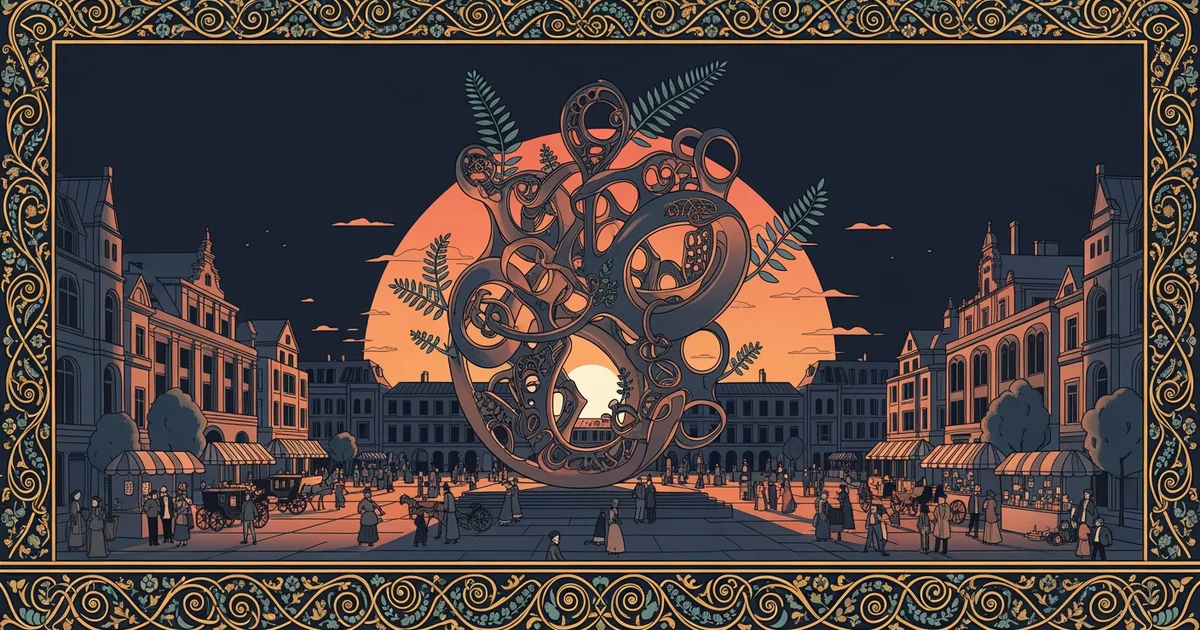
The Shift Toward Interactive Environments
When we consider how public art transforms shared spaces, we must recognize that technology acts as a bridge between the viewer and the creative work. Early installations focused on visual impact, but modern creators prioritize the actual experience of the audience members. By integrating sensors, light displays, and motion tracking, artists turn silent sculptures into responsive partners in our urban landscape. This shift mirrors how a high-end smartphone changes its display based on the surrounding light levels. Just as your device adjusts to improve your viewing experience, these new installations modify their output to match the energy of the community. This interaction makes the art feel alive rather than like a forgotten relic of the past.
Key term: Responsive Art — a type of creative installation that uses sensors or digital inputs to change its appearance or behavior based on the viewer.
Designers often use these tools to bridge the gap between different social groups within a neighborhood. When an installation invites people to touch or move around it, it creates a common ground for conversation. This process builds on the ideas of evaluation we discussed previously by emphasizing how success is measured through human connection. Instead of asking if a piece looks good, we now ask how it changes the way neighbors talk to one another. This focus on social cohesion ensures that public art remains a vital part of the urban experience.
Trends Shaping Future Civic Design
As we look ahead, several key trends will likely dictate how cities choose to integrate art into their future development plans. These trends focus on sustainability, accessibility, and the long-term impact on the local economy. The following table highlights three major areas that will define the next generation of creative civic projects:
| Trend | Primary Focus | Expected Outcome |
|---|---|---|
| Sustainability | Using recycled materials | Lower environmental impact |
| Digital Integration | Real-time data usage | Increased viewer engagement |
| Social Inclusion | Community-led design | Greater sense of belonging |
Each of these trends contributes to a more thoughtful approach to urban planning. When artists collaborate with engineers, they create structures that serve multiple purposes beyond simple aesthetics. For example, a solar-powered light sculpture can provide safety for pedestrians while also serving as a beautiful landmark. This dual functionality is essential for cities that face limited budgets and space constraints. By prioritizing these factors, planners ensure that art adds value to the community without becoming a financial burden on local taxpayers.
Future projects will also rely heavily on Participatory Design to ensure that residents feel a sense of ownership over their local environment. This approach involves asking community members what they want to see in their own neighborhoods before the planning stage begins. By including local voices, artists create pieces that feel authentic and relevant to the history of the area. This method helps avoid the common mistake of placing art that feels out of place or disconnected from the people who live nearby. When residents help shape the vision, they are much more likely to protect and cherish the work for many years to come.
Ultimately, the future of public art depends on our willingness to embrace new technologies while keeping the human experience at the center of the design process. We must balance the excitement of digital innovation with the need for lasting beauty and social purpose. By doing this, we ensure that our shared spaces remain meaningful, inclusive, and inspiring for everyone in the community. This journey from simple statues to complex, living installations reflects our growing understanding of how art shapes our collective life.
The future of public art lies in creating responsive environments that actively invite community participation and adapt to the needs of the people who inhabit them.
Public art serves as a living mirror for the community, reflecting our shared values and technological potential through every intentional design choice we make.