
Casting and Fabrication
Imagine you have a complex sculpture in your mind that is too delicate for simple hand tools. You face a choice between building the piece from scratch or pouring molten metal into a mold to capture every tiny detail. Choosing the right method determines whether your final piece looks like a rugged, handmade treasure or a smooth, industrial masterpiece.
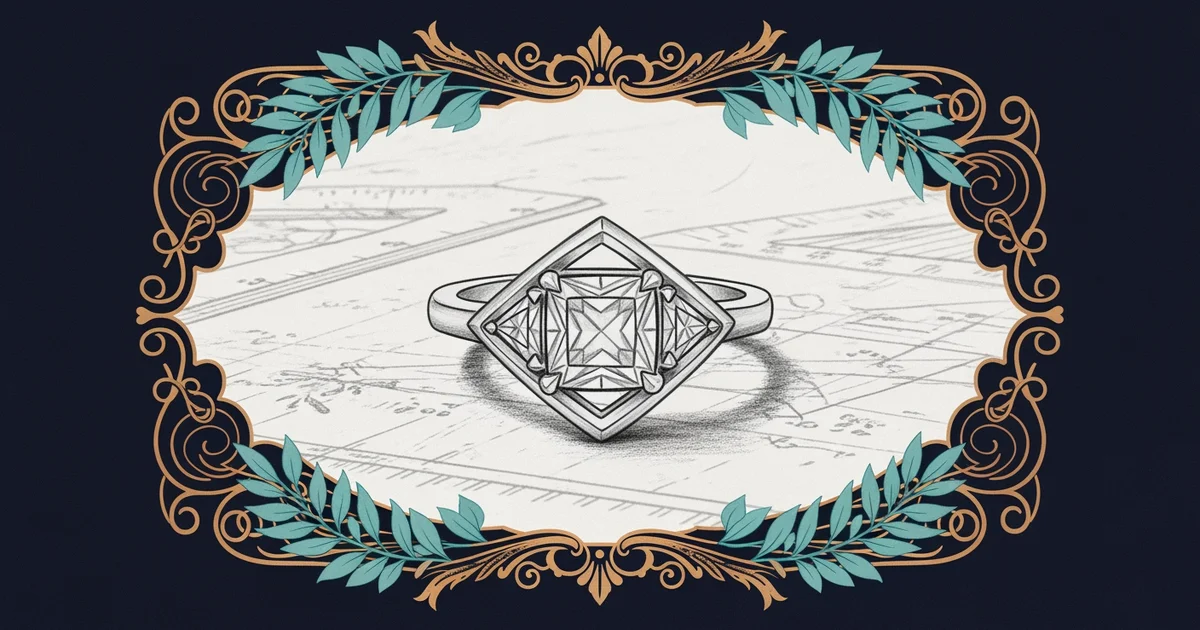
Understanding Casting and Fabrication
When you decide to create jewelry, you must choose between two distinct paths for shaping your metal. Lost wax casting involves creating a wax model that you then encase in a heat-resistant plaster material. Once the plaster hardens, you melt the wax away to leave a hollow cavity for the molten metal. This method allows for organic shapes and highly intricate textures that would be nearly impossible to carve by hand from a solid block. Think of this process like using a flexible silicone mold to bake a cake with decorative edges. You can capture complex curves and fine details that a knife could never reach when cutting into a solid loaf of bread.
Key term: Lost wax casting — a production technique where a wax model is replaced by molten metal within a heat-resistant mold.
Manual fabrication involves cutting, bending, and soldering individual pieces of metal to build your design from the ground up. You start with raw wire or sheet metal and use tools like saws, files, and torches to join parts together. This method is often preferred for geometric designs or pieces that require precise, sharp edges and flat surfaces. Fabrication gives you total control over the thickness of the metal at every single point on the finished object. It is a labor-intensive process that relies on your physical skill with hand tools rather than the chemical process of melting materials.
Selecting the Proper Production Method
Deciding which technique to use depends on the specific goals you have for your jewelry project. If your design features flowing, fluid shapes or repeating patterns, casting is usually the more efficient choice for your work. If your design requires structural integrity or clean, architectural lines, fabrication remains the superior option for the creator. The table below compares how these two methods handle common design requirements during the production phase of your jewelry project.
| Feature | Lost Wax Casting | Manual Fabrication |
|---|---|---|
| Detail Level | High for organic shapes | High for geometric shapes |
| Metal Waste | Low due to recycling | Moderate due to scraps |
| Setup Time | Long for mold prep | Short for immediate work |
| Skill Focus | Sculpting in soft wax | Cutting and soldering metal |
When you weigh these factors, consider how much time you want to spend on preparation versus assembly. Casting requires a significant investment in equipment and time before you ever pour the metal. Fabrication allows you to start working with your materials immediately on the bench. Many professional jewelers eventually learn both methods so they can combine them into one hybrid piece. You might cast a complex center stone setting and then fabricate a simple, clean band to hold it in place. This combination allows you to maximize the benefits of both worlds while minimizing the drawbacks of each individual technique. Always evaluate your design complexity against your available tools before you commit to one specific production path.
Choosing between casting and fabrication allows you to match your production method to the structural and aesthetic needs of your unique jewelry design.
But what does it look like in practice when you need to secure your finished piece to the wearer?