
History of Jewelry Design
Imagine wearing a piece of history that connects you directly to civilizations from thousands of years ago. Every ring or necklace serves as a tiny time capsule that holds the values and artistic dreams of past cultures. When you choose to wear a specific design, you are participating in a tradition that spans across continents and centuries of human history. This connection turns simple metal and stone into a powerful form of personal expression that transcends time itself.
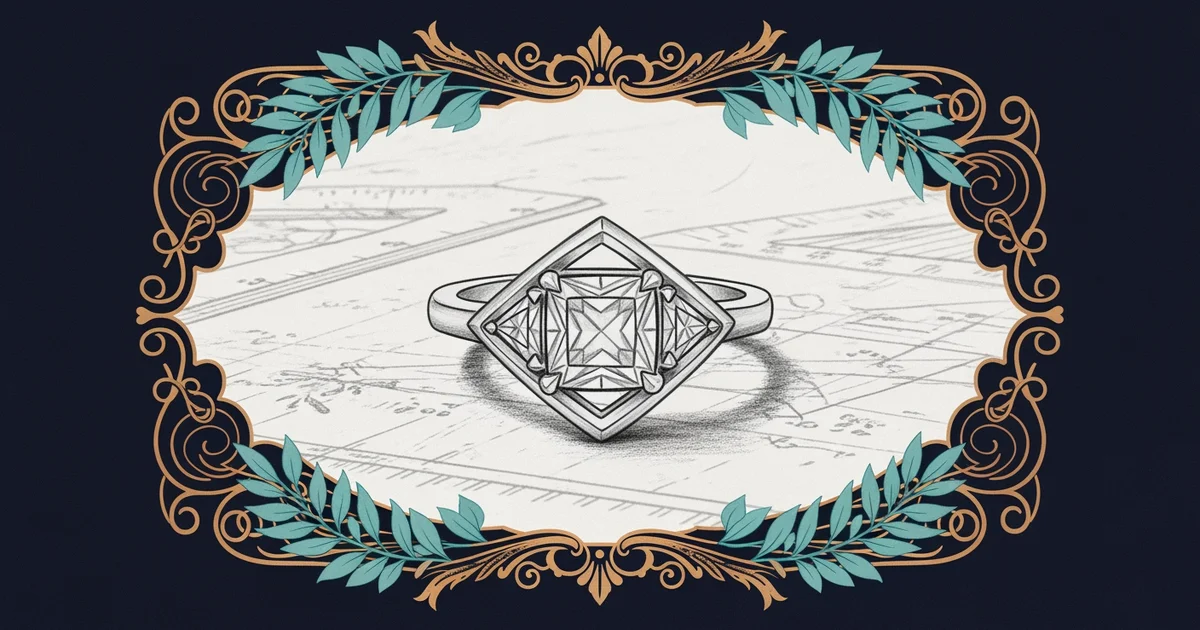
The Evolution of Ancient Ornamentation
Ancient societies viewed jewelry as much more than simple decoration for the body or clothing. They crafted elaborate pieces to signal status, provide spiritual protection, and mark significant life events. Early artisans mastered techniques like granulation and filigree to create intricate patterns that still influence modern jewelry styles today. These ancient creators often used materials like gold and lapis lazuli to represent their connection to the divine or the natural world. By studying these early methods, we can see how the desire to project identity through wearable art remains a constant human trait.
Key term: Granulation — a technique of decorating metal surfaces with tiny spheres of precious metal to create complex textures.
Modern designers often look back at these ancient motifs to find inspiration for their own contemporary collections. When you see a modern ring featuring geometric patterns or symbolic shapes, you are witnessing the legacy of ancient craftsmanship. These historical shapes act like a bridge between the past and the present day. Just as an architect studies old buildings to learn how to build stronger structures, a jewelry designer studies old trinkets to understand what makes a piece feel timeless. This process allows creators to honor history while making something that feels fresh and relevant for today.
Influences on Contemporary Aesthetics
Designers today balance the weight of history with the need for modern functionality and comfort. They often adapt traditional symbols to suit current fashion trends while keeping the original meaning intact. This practice ensures that jewelry continues to communicate personal identity in a way that feels authentic to the wearer. The following table highlights how different historical priorities shape the way we view jewelry design in our modern lives today:
| Historical Era | Primary Focus | Modern Application |
|---|---|---|
| Ancient World | Spiritual Power | Symbolic Charms |
| Renaissance | Status Symbols | Statement Pieces |
| Industrial Age | Mass Production | Modular Components |
Understanding these shifts helps you appreciate why certain styles become popular during different times in history. For instance, the transition from handmade, unique pieces to mass-produced items changed how society values jewelry. We now place a high premium on artisanal work because it feels more personal than factory-made goods. You can see this trend in the rise of independent makers who use ancient techniques to create modern, sustainable jewelry for a new generation of style enthusiasts.
When you examine the history of these objects, you realize that jewelry design is a language of its own. Every choice regarding material or shape tells a story about the person wearing the piece. By mastering the history of these designs, you gain the vocabulary needed to create your own unique jewelry that speaks to your personal identity. This path will provide you with the essential skills to transform raw materials into meaningful, wearable art that reflects your own creative vision.
Historical motifs serve as the foundational language that modern designers use to convey personal identity through their unique wearable creations.
By exploring these foundations, you will soon learn how to select and manipulate the physical materials required to bring your own jewelry concepts to life.