
Motion Aftereffects
Staring at a waterfall for one minute makes the surrounding rocks appear to climb upward. This strange visual phenomenon occurs because your brain tries to adjust its baseline expectations for movement. You rely on specialized neurons to track motion, but these cells become exhausted when they track a single direction for too long. Once the input stops, your brain misinterprets the static scene as moving in the opposite direction. This is a classic example of how our internal biological systems can create false perceptions of reality.
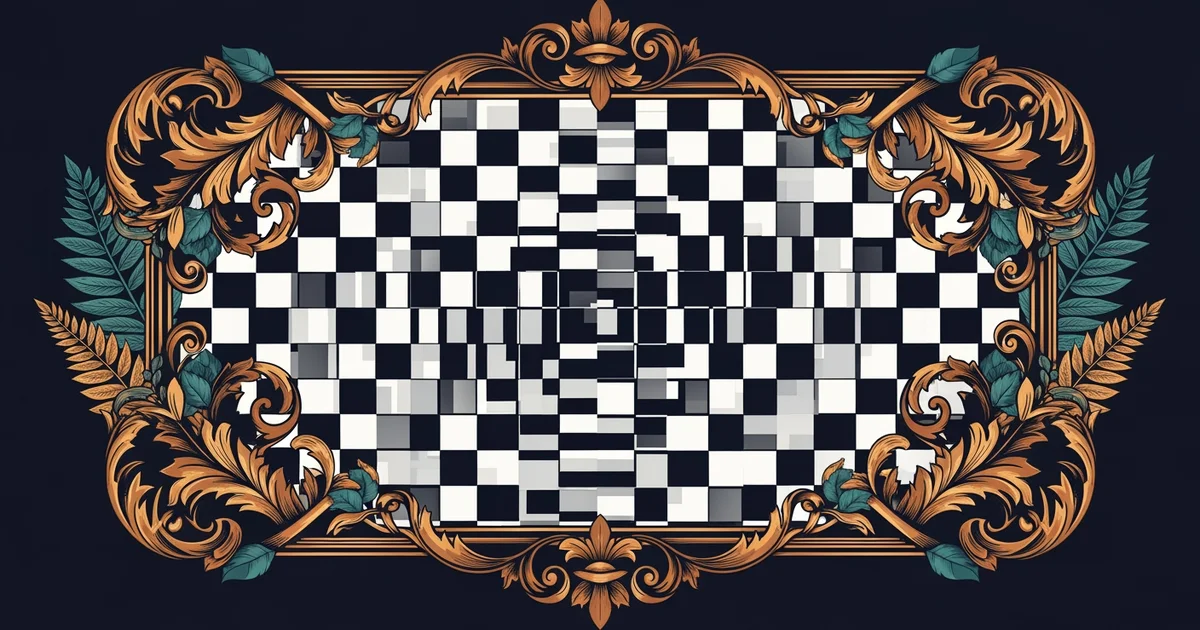
The Mechanism of Neural Fatigue
When you watch a constant stream of motion, your visual system experiences neural fatigue within specific pathways. Imagine a team of workers who only paint walls blue all day long. If the supply of blue paint suddenly stops, the workers might accidentally paint the next wall a different color out of habit. Your brain functions in a similar way by using groups of neurons tuned to specific directions. When you stare at downward motion, the neurons responsible for that direction fire rapidly until they become tired. They eventually lose their ability to fire at a normal baseline rate.
Because these specific motion-sensing cells are temporarily exhausted, their counterparts responsible for upward motion remain relatively fresh and active. This creates a temporary imbalance in your visual field that your brain cannot ignore. Your brain interprets this imbalance as an active signal, which forces you to perceive movement where none exists. This process happens automatically without your conscious control or permission. It is a biological quirk that reveals how much we rely on balance within our sensory networks. Our perception is not a direct reflection of the world, but rather a calculation based on relative activity levels.
Key term: Motion Aftereffect — the illusion of movement in a static scene that follows prolonged exposure to a moving stimulus.
This illusion acts like a reset button for your visual processing center. You can think of it as an economic system of supply and demand for sensory signals. When one set of neurons works overtime, it depletes its resources and requires a period of recovery. During this recovery, the brain must rely on the remaining, un-fatigued neurons to interpret the incoming visual data. This shift in reliance causes the strange sensation of reverse motion. It shows that your brain is constantly balancing its resources to keep your vision steady.
Testing Sensory Balance
To see how this works in practice, you can observe several common types of motion illusions in your daily life. These examples demonstrate that the brain is always looking for patterns and balance in the environment:
- The waterfall effect occurs when you watch a constant flow of water and then shift your gaze to a stationary cliff face.
- Spiral illusions happen after you watch a rotating pattern, which makes the center appear to shrink or expand when you look away.
- Moving texture effects arise when you stare at a static pattern that has been distorted by a previous moving version of the same image.
Each of these events relies on the same fundamental principle of neural adaptation. By forcing specific neurons to fire continuously, you drain their energy reserves and alter their sensitivity. The brain attempts to correct this by over-emphasizing the signals from the rested neurons. This creates a temporary bias that manifests as a visual illusion. You are essentially tricking your own biology by exploiting the way it handles repetitive information. This reveals that our perception is a dynamic process that changes based on recent history.
Visual perception functions by comparing relative neural activity, meaning that prolonged exposure to one stimulus forces the brain to interpret static scenes through the lens of recent exhaustion.
The next Station introduces Ambiguous Figures, which determines how perceptual instability works when your brain encounters conflicting visual information.