
Final Page Assembly
Imagine you are building a complex puzzle where every piece has been hand-painted by different artists over many months. You finally hold all the finished puzzle pieces in your hands, but the picture only emerges once you lock them into their final, permanent positions on the board.
The Architecture of Page Layout
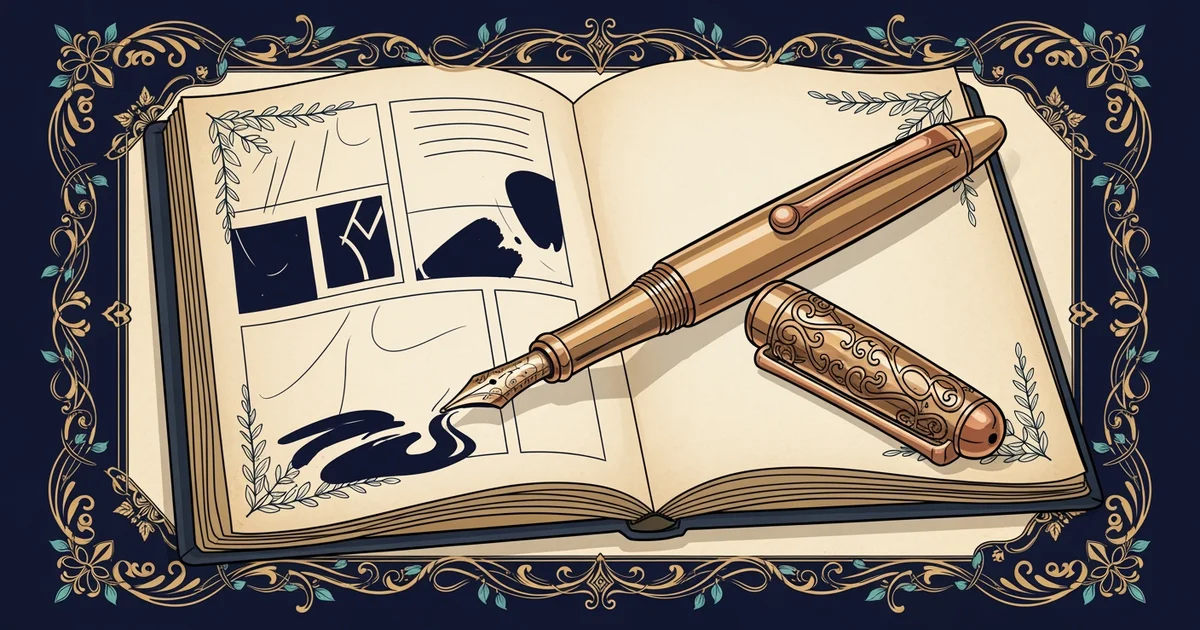
Final page assembly acts as the glue that holds your entire visual narrative together after months of isolated work. You must now transition from creating individual panels to managing the flow of a cohesive graphic novel spread. Think of this process like an editor organizing a busy city street to ensure traffic flows smoothly without accidents. If you place your panels haphazardly, the reader will feel lost or confused while trying to follow the sequence of events. You need to balance the weight of each image against the surrounding white space to maintain a clear path for the eye. Proper assembly ensures that the intensity of your previous lighting and shadow work does not overwhelm the actual story beats. Every element, from the smallest dialogue bubble to the largest action splash, requires a specific home on the page to function correctly.
Key term: Page flow — the intuitive path a reader’s eye takes across a layout to follow the narrative sequence.
Effective assembly requires you to treat the page as a single unit rather than a collection of separate drawings. You must consider how the size of each panel dictates the importance of the action contained within that specific space. A large panel naturally commands more attention, so you should reserve these spaces for critical plot twists or emotional high points. Smaller panels work best for quick dialogue exchanges or minor transitions that bridge larger gaps in your story. Balancing these sizes creates a rhythmic pace that keeps the reader engaged through the entire book. If you ignore this balance, the visual experience becomes monotonous and fails to reflect the energy of your script.
Integrating Narrative Components
Once you establish your grid, you must integrate the text and visual elements into a unified whole that supports the story. Your dialogue bubbles and captions should never compete with the artwork for the reader's immediate attention. Instead, they should guide the eye across the page in a logical order that mimics the natural flow of human conversation. Consider the following structural priorities when finalizing your layout:
- Visual hierarchy: You must ensure that the most important action appears first in the reading order to establish context immediately.
- Negative space: You should use empty areas around panels to provide the reader with a brief moment of visual rest between intense scenes.
- Dialogue placement: You must anchor speech bubbles near the speaker to avoid confusion about who is talking during complex group interactions.
These elements work together to turn simple sketches into a professional graphic novel experience. By applying these rules, you transform a series of isolated scenes into a seamless journey for your audience.
Balancing Visual Density
When you manage visual density, you prevent the reader from feeling overwhelmed by too much information on a single page. You can compare this to a well-designed kitchen where every tool remains accessible but the counters stay clear for cooking. If you cram too many details into one area, the reader will struggle to find the focal point. Use your lighting and shadow techniques from earlier stations to create depth and guide the eye toward the most important details. This strategy allows you to maintain a high level of artistic quality without sacrificing the clarity of your storytelling. A successful page assembly reflects the culmination of all your hard work by presenting it in its most readable and impactful form. You are effectively the architect of the reader's experience, deciding exactly what they see and when they see it.
Final page assembly transforms separate artistic efforts into a unified narrative flow by balancing visual weight, panel rhythm, and text placement.
Now that your pages are assembled, you are ready to move toward the final stage of your creative process.