
Script to Storyboard
When a filmmaker prepares to shoot a scene, they first sketch out every camera angle on paper. This process acts like a blueprint for a house, ensuring that every worker knows exactly where to stand. In your graphic novel work, this is the vital step that turns a flat script into a living, breathing visual story. Without this plan, your art might lose its flow or fail to capture the drama you intended. You must learn to bridge the gap between written dialogue and the physical space of a comic page.
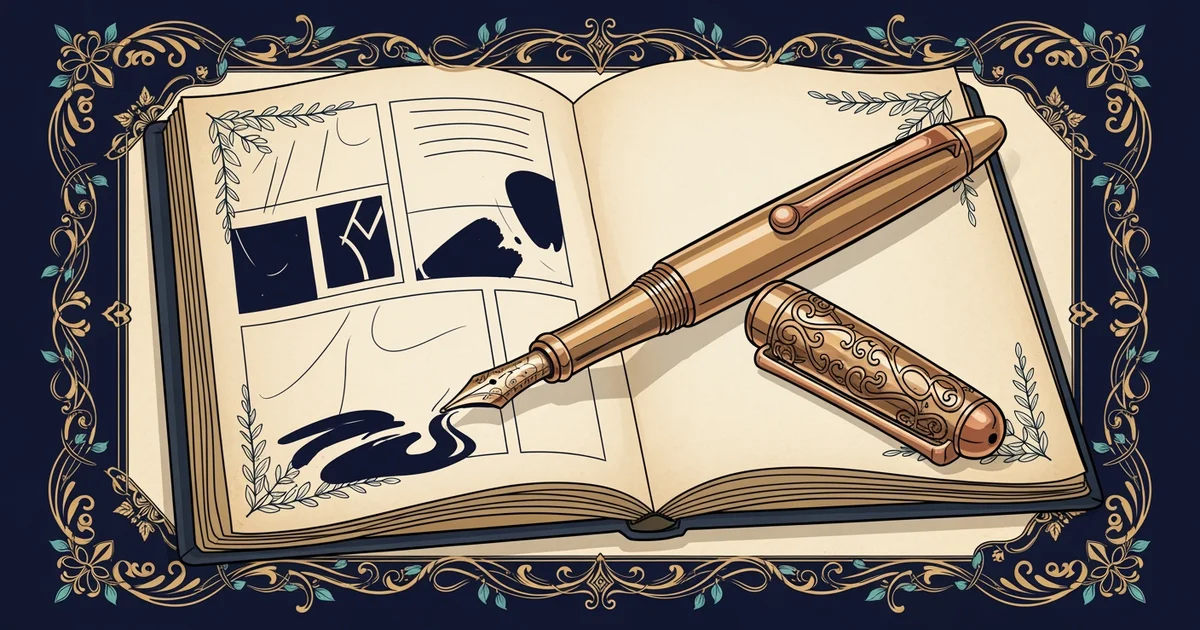
Translating Words Into Visual Space
To move from a script to a visual layout, you must first identify the key beats of your narrative. Think of your script as a list of ingredients for a complex recipe that you need to cook. You need to decide which parts of the dialogue deserve a large, dramatic panel and which can exist in smaller boxes. This is script-to-storyboard translation, a process that requires you to prioritize the emotional impact of every single moment. If a character feels angry, the layout should reflect that intensity through sharp lines and tight, crowded panels. You are essentially acting as both the writer and the director of a small, paper-based movie.
Key term: Storyboard — a series of rough drawings that map out the sequence of scenes and camera angles for a comic or film project.
Once you have decided on the emotional beats, you must arrange these panels to guide the reader’s eye across the page. Much like a city planner designing roads to control traffic flow, you must design your page to ensure the reader moves from one panel to the next without confusion. If your layout is too chaotic, the reader will stop following the story and lose interest. You should use the flow of the art to point toward the next panel, creating a natural path that feels intuitive. This prevents the reader from feeling lost or frustrated when they try to navigate your complex visual world.
Establishing Visual Continuity
Maintaining consistency is the next hurdle when you start drawing your actual panels from the script. If a character wears a red hat in one scene, they must wear that same hat in every following scene. This is visual continuity, the practice of keeping design elements stable so the reader does not feel disoriented. You can create a simple reference sheet to track these details, which acts as a guide for your future drawings. Without this, your story will feel disjointed, and the reader will lose their connection to the characters you have worked so hard to build.
To keep your project organized, you should follow a set of steps for every new scene you tackle:
- Break the script into small, manageable chunks that fit into a single page layout.
- Sketch rough shapes to represent where characters and background objects will sit on the page.
- Check that your panel sizes match the importance of the action happening within that specific frame.
- Verify that your character designs remain the same across every frame to prevent confusing the reader.
By following these steps, you build a foundation that allows your creative ideas to shine without getting lost in technical mistakes. You are not just drawing pictures, but building a world that must obey its own internal logic. This structure is what turns a simple sketch into a professional, compelling graphic novel experience.
Transforming a written script into a visual storyboard requires balancing emotional pacing with clear navigation to keep the reader engaged.
Now that you have mapped out your scenes on paper, you must consider how light and shadow will define the mood of your final illustrations.