
Texture and Materiality
Imagine walking through a room that feels flat and dull despite having expensive furniture pieces. You likely notice that every surface feels identical, creating a space that lacks depth or visual interest. When a room lacks texture, it fails to engage your senses or provide the tactile variety needed for comfort. Texture is the surface quality of an object, which can range from smooth glass to rough stone or soft velvet. By curating different materials, you transform a plain house into a living space that feels intentional and deeply personal.
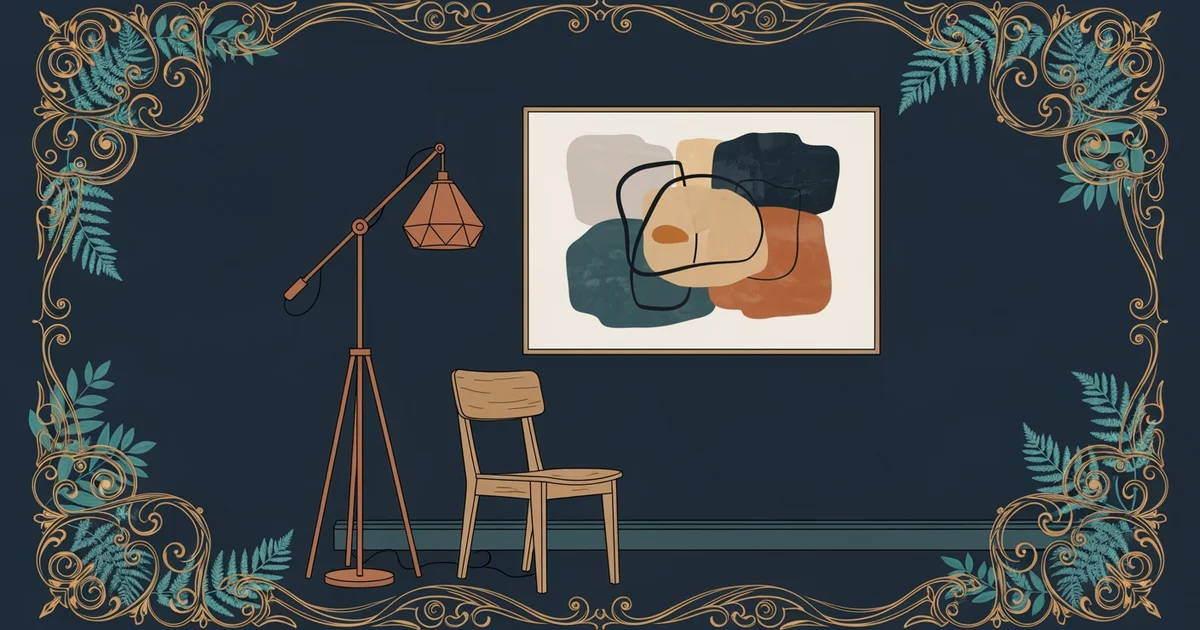
The Role of Materiality in Design
When you select materials for your home, you are essentially choosing the personality of your living environment. Every material carries a specific weight and feeling that influences how you perceive the surrounding space. Think of your home as a balanced meal where you need different flavors to make the experience satisfying. If you only serve bread, the meal becomes boring, but adding crunch or spice makes it memorable. Similarly, mixing smooth metals with rustic woods creates a visual rhythm that guides the eyes across the room. You must consider how these materials interact under different light sources throughout the day.
Key term: Materiality — the physical substance of an object that defines its tactile quality and visual weight in a room.
Balancing Surface Qualities
Once you begin layering materials, you must ensure that each element serves a clear purpose in the design. A room feels cohesive when you balance soft, hard, light, and dark surfaces in a thoughtful way. You should avoid using too many competing patterns, as this often leads to a chaotic and cluttered visual atmosphere. Instead, focus on how the grain of wood or the weave of fabric changes the mood of a specific corner. Use the following guide to understand how different material categories impact your home design strategy:
| Material Type | Visual Impact | Tactile Quality | Best Use Case |
|---|---|---|---|
| Natural Stone | High contrast | Rough and cold | Accent walls |
| Soft Textiles | Low contrast | Warm and fuzzy | Seating areas |
| Polished Metal | High reflection | Sleek and hard | Lighting fixtures |
| Raw Timber | Medium warmth | Organic and dry | Furniture legs |
These categories help you visualize how to distribute different sensations across your living space. By focusing on these distinct groups, you can avoid the common mistake of choosing items that all share the same texture. For example, pairing a heavy wool rug with a smooth glass coffee table creates a beautiful contrast. This interaction highlights the unique qualities of both items, making the room feel more dynamic and inviting to guests.
Creating Your Tactile Mood Board
To master this concept, you should create a physical mood board that gathers samples of different textures. Collect small swatches of fabrics, wood chips, and paint samples to see how they look together in person. This process allows you to touch the materials, which is vital for understanding how they might feel in your daily life. You might find that a certain fabric feels too scratchy or a specific stone looks too dark for your space. Testing these combinations before buying furniture saves you time and ensures your final choices align with your vision.
Consider these steps when building your tactile mood board for a new room project:
- Select a neutral base material that covers the largest surface area of your intended room.
- Add one contrasting texture, such as a metallic finish, to create a focal point for eyes.
- Include a soft textile element to provide comfort and balance the hardness of other chosen materials.
- Arrange these samples in a small group to see if the colors and textures work together well.
This hands-on approach builds your confidence in making design choices that reflect your personal style. As you refine your board, pay attention to how the light hits each sample during different times. The goal is to create a space that feels balanced and rich through the careful selection of diverse materials. When you successfully layer these elements, the room gains a sense of depth that simple furniture arrangements cannot achieve alone. This practice ensures your home remains a place of comfort and visual interest for years to come.
Curating diverse textures and materials creates a balanced environment that engages the senses and adds depth to every room.
The next Station introduces space planning mechanics, which determines how these curated materials function within your floor plan.