
Principles of Visual Balance
Imagine walking into a room where all the heavy furniture sits on one side of the floor. You would likely feel as if the entire house might tip over or slide toward that crowded corner. Creating a sense of stability within your home requires a careful distribution of visual weight across every wall. When you arrange objects to achieve balance, you ensure that no single area feels overwhelming or empty to the eye. You can think of this process as managing a scale that holds your personal belongings instead of physical gold or silver. If you place a large item on one side, you must add smaller items to the other side to keep the view level. This practice helps you transform a simple house into a space that reflects your unique personality and purpose.
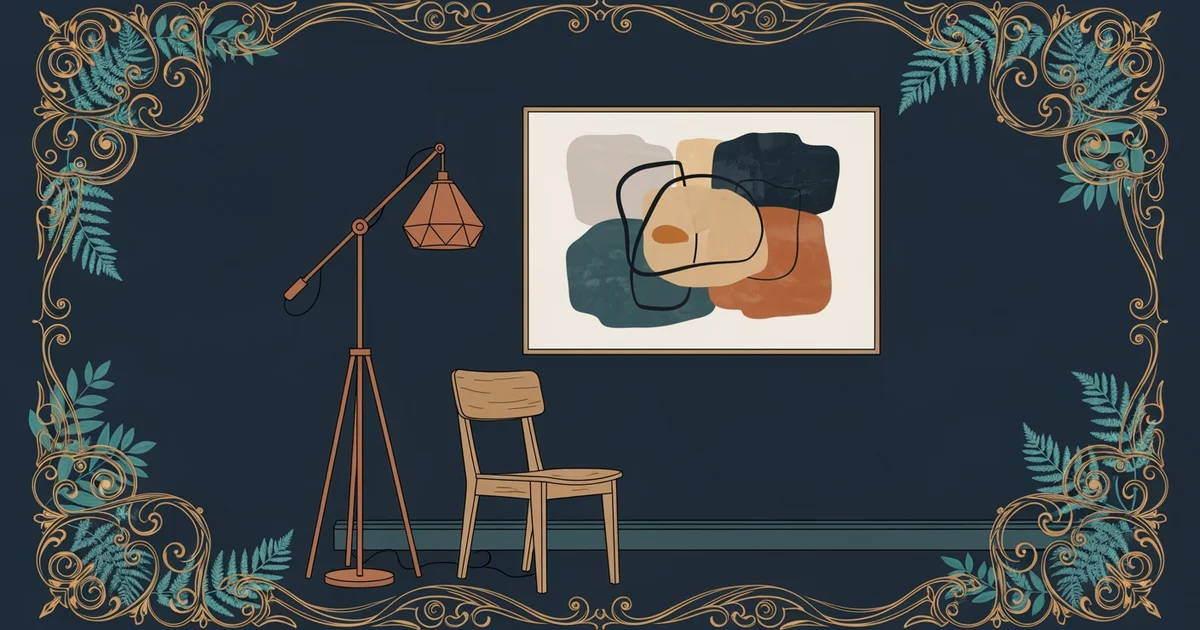
The Mechanics of Visual Equilibrium
Visual balance acts as the primary anchor for every room design you choose to create within your home. When you consider how to place furniture, you should think about the perceived weight of each individual piece. A large velvet sofa carries much more visual weight than a slim glass table, even if the table is quite tall. Designers often use symmetry to create a sense of order by mirroring elements across a central axis point in the room. This approach works well for formal spaces where you want to project a feeling of calm and predictable structure. By aligning lamps, chairs, or art pieces on either side of a middle line, you create a mirror image that feels instantly grounded.
Key term: Symmetry — the practice of arranging elements so that one side of a space perfectly mirrors the other side.
While symmetry provides a clear path to order, you might find that some rooms require a different approach. If you prefer a more dynamic or relaxed atmosphere, you should explore the concept of asymmetry for your layout. This method balances different objects that have similar visual weight rather than using identical items on both sides. You might balance a large bookshelf on one wall by placing a grouping of three smaller chairs on the opposite side. This creates a feeling of movement that keeps the eye engaged while still maintaining an overall sense of stability. Asymmetry allows you to express your creativity without making the room feel stiff or overly calculated.
Applying Balance to Your Living Space
When you begin to shift your furniture to find the right balance, you should follow a few practical steps. These methods help you test how different arrangements affect the overall mood and flow of your daily environment. You can use the following list to guide your process of curating a balanced room layout:
- You should identify the focal point of the room, such as a fireplace or a large window, to serve as your central axis.
- You must evaluate the visual weight of your main items by comparing their size, color density, and physical texture against the wall.
- You should adjust the placement of smaller decorative objects to compensate for large gaps that might disrupt the visual flow of the room.
Applying these steps ensures that your space feels intentional rather than cluttered or sparse. You can use this table to help you decide which type of balance works best for your specific room goals.
| Feature | Symmetric Balance | Asymmetric Balance |
|---|---|---|
| Mood | Formal and calm | Casual and active |
| Layout | Mirror images | Varied weights |
| Focus | Central axis | Distributed interest |
By thinking about how these elements interact, you gain control over the energy in your home. A balanced room does not just look better, but it also feels more comfortable for everyone who spends time there. You are essentially acting as a curator for your own life by choosing where each item belongs. This effort makes the house feel like a true reflection of your personal taste and daily needs. Remember that balance is a flexible tool that you can adjust whenever you want to change the feel of your home.
Visual balance is the deliberate distribution of weight across a space to create a sense of stability and comfort.
The next Station introduces Color Theory Basics, which determines how color impacts the perceived weight of your furniture.