
System Reform Challenges
Imagine trying to change the rules of a game while you are currently playing it to win. Most players will resist any rule shifts that might hurt their chances of scoring more points. Changing an electoral system feels exactly like this high-stakes scenario because political leaders hold power based on existing structures. They rarely want to support reforms that could threaten their own future success or their party's standing. This tension makes structural change one of the hardest challenges in modern democratic governance today.
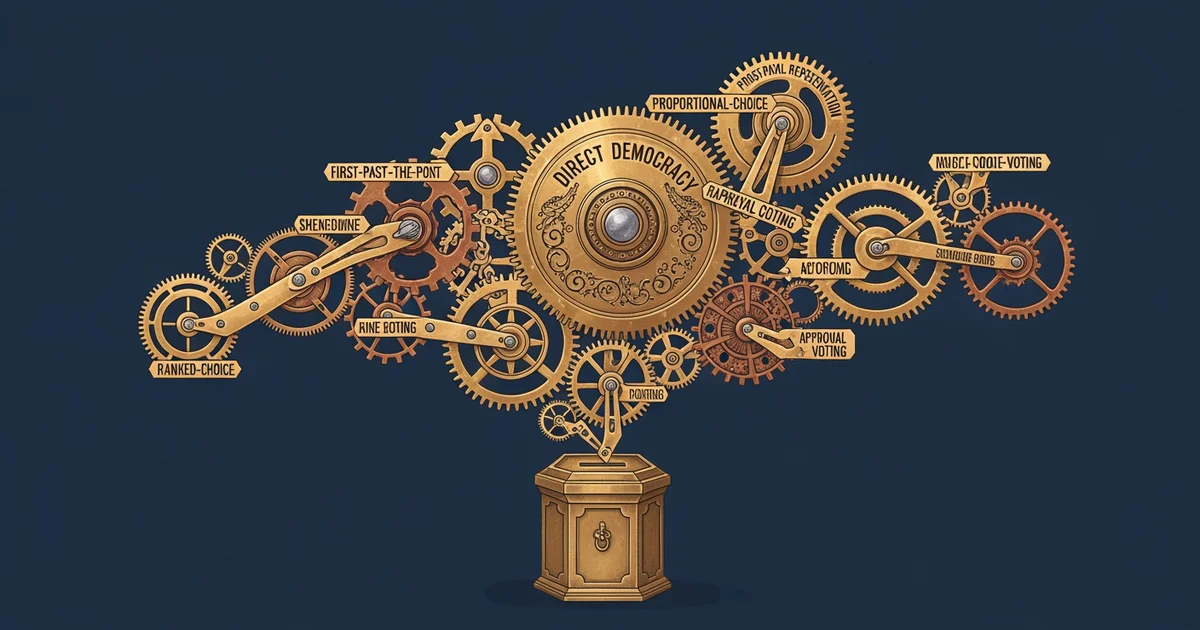
The Resistance to Structural Change
When we discuss reforming how votes translate into seats, we must acknowledge the power of incumbents. These elected officials reached their positions through the current rules and often prefer the status quo. If a reform threatens to reduce their party's majority, they will likely block it. This creates a cycle where the people who have the power to change the system are the ones who benefit most from keeping it the same. It is like asking a professional athlete to vote on changing the rules of their sport to make it harder for them to win. They will likely argue that the current rules are fair and necessary for stability.
Key term: Path dependency — the tendency for current political systems to be shaped by past decisions and institutional structures that become very difficult to alter over time.
This resistance is not always about greed, as some leaders believe current rules ensure stability. They might argue that shifting to a new model could cause chaos or weaken the government. This belief acts as a strong barrier to any meaningful progress. Even when voters demand change, the legislative process remains sluggish and full of roadblocks. Many reform proposals die in committee long before they ever reach a public vote. This structural inertia ensures that electoral systems change only through extreme pressure or major crises.
Navigating the Reform Process
Successfully changing an electoral system requires more than just public interest or political will. It often involves building broad coalitions that cross party lines to ensure the change feels legitimate. Without this support, any new system will face constant challenges from those who lost out during the transition. The process is often slow because it requires careful design to avoid unintended consequences in the future. We can compare this process to renovating an old house while the family still lives inside. You must fix the foundation without causing the entire roof to collapse on everyone.
To manage this complexity, reformers often use specific strategies to build consensus and maintain public trust during the transition period:
- Independent commissions use neutral experts to draft new rules, which helps remove the bias of sitting politicians who might favor their own party.
- Phased implementation allows voters to learn the new system slowly, which reduces confusion and prevents the sudden shock of a total change.
- Public referendums give citizens a direct voice in the process, which creates a mandate that politicians find much harder to ignore.
These methods help turn a political struggle into a manageable project that focuses on long-term fairness. By using these tools, reformers can overcome the natural fear of change that keeps systems stuck in the past. Even with these tools, the path remains difficult because the underlying tension between stability and fairness never truly disappears. Every reform must balance the need for a system that reflects voter intent with the need for a government that can actually function. This balance is the core challenge of electoral design in every democracy around the world.
True electoral reform requires balancing the self-interest of current leaders against the democratic need for a system that accurately represents the evolving will of the public.
Next, we will explore the future of electoral design and how emerging technologies might reshape our democratic participation.