
Modern Dance Innovation
Modern dance represents a daring break from the rigid structures of the past. While classical ballet demands precise, upright posture and defiance of gravity, modern dance embraces the weight of the human body. Imagine a house built with strict blueprints versus a home designed to shift and grow with the land. Ballet acts like the blueprints, requiring perfect symmetry and rigid adherence to specific lines. Modern dance acts like the shifting landscape, finding beauty in the natural pull of the earth. This style prioritizes raw human emotion over the fairy-tale narratives often found in traditional performances.
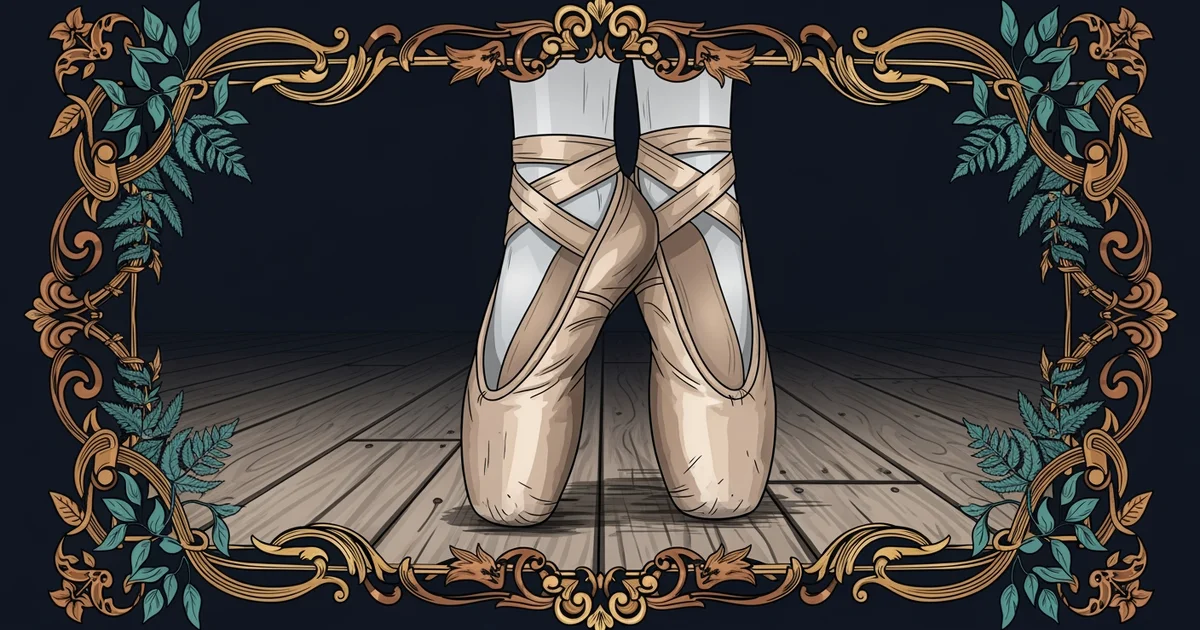
The Shift Toward Natural Movement
Modern dance emerged because artists wanted to express internal feelings through external movement. They rejected the corsets and stiff shoes that restricted natural breathing and spinal flexibility in ballet. Instead, these pioneers focused on the core of the body as the primary engine for all motion. When you watch a modern dancer, you notice how they use the floor as a partner. They roll, slide, and collapse into the ground rather than fighting to stay elevated. This approach treats the floor as an essential element of the choreography, allowing for a wider range of physical expression than ever before.
Core Principles of Modern Expression
Several key elements define how modern dance functions as an artistic medium. These principles allow dancers to explore the full range of human experience without the limitations of classical form.
- Weight and Gravity: Dancers intentionally use the force of gravity to create momentum, showing that falling can be as graceful as rising.
- Contraction and Release: This technique uses the breath to trigger movement, where the spine curves inward and then expands outward to generate power.
- Floor Work: Performers engage with the ground through complex sequences, recognizing that the earth provides a stable base for artistic exploration.
By focusing on these elements, dancers move away from the rigid, upright aesthetic of the past. They create a visual language that feels more grounded and accessible to a wider audience. This shift does not mean that one style is superior to the other. It simply means that modern dance serves a different purpose in the performing arts world.
Comparing Artistic Approaches
To understand the differences, we can look at how each style handles the physical body. Ballet and modern dance offer contrasting ways to interpret music and space through movement.
| Feature | Classical Ballet | Modern Dance |
|---|---|---|
| Gravity | Defies or hides it | Embraces and uses it |
| Spine | Stiff and vertical | Flexible and fluid |
| Footwear | Pointed shoes | Bare feet or socks |
| Narrative | Fairy tales | Human experience |
These differences highlight how the art form evolved to meet changing cultural needs. Ballet maintains a focus on ethereal beauty, while modern dance seeks to ground itself in the reality of human sensation. Each style provides a unique lens for viewing the physical limits of our bodies. Understanding these distinctions helps you appreciate the technical skill required for both disciplines. Whether a dancer is performing on their toes or rolling on the floor, they are telling a story through physical discipline.
Modern dance innovation prioritizes the natural weight of the body and the expressive potential of the floor to convey raw human emotion.
The next Station introduces the evolution of jazz dance, which determines how rhythm and syncopation influence modern movement.