
Defining Dance as Art
Imagine you are watching a group of people move in a circle during a local festival. Their steps follow a strict pattern meant to invite rain or honor a harvest, which serves a specific social function. Now, picture a dancer on a stage who moves with fluid grace to express the feeling of loneliness or joy. While both involve human bodies moving through space, one serves a communal duty while the other seeks to spark an internal emotional reaction in the viewer. Understanding this difference helps us see how movement shifts from a practical tool to a form of creative expression.
The Purpose of Ritual Movement
Ritual dance acts as a bridge between a community and its core beliefs or needs. When people perform these movements, they often prioritize the collective experience over individual flair or personal style. The goal involves reinforcing group identity or marking significant life events like weddings or seasonal shifts. Think of it like a set of instructions for a complex machine that keeps a society running smoothly. Everyone knows their specific role, and the value comes from the precision of the group working as one unit. The movement is not about the dancer's ego but about the message being sent to the community or the world beyond.
The Evolution of Artistic Performance
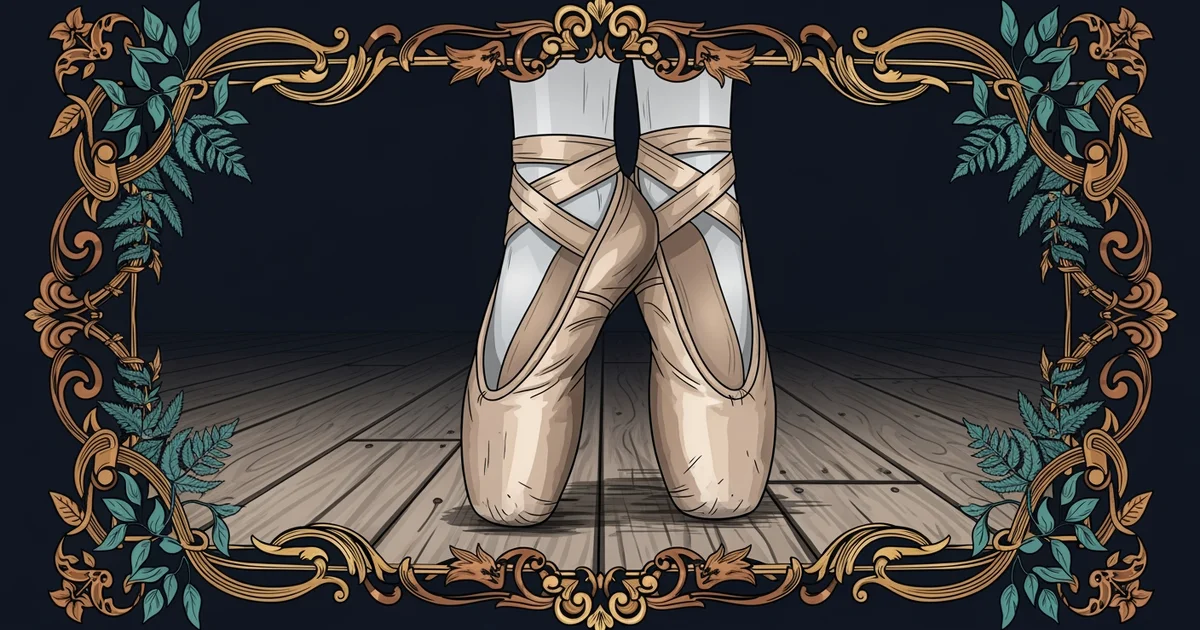
Artistic dance emerged when the focus shifted from serving a communal function to exploring the possibilities of human expression. In this setting, the choreography acts as a canvas where the dancer paints with their body instead of brushes or ink. The performer invites the audience to observe their unique interpretation of a theme or emotion. Unlike ritual, which demands conformity to tradition, artistic dance thrives on innovation and the breaking of old boundaries. It functions like a conversation between the performer and the observer, where the meaning remains open to personal interpretation. The dancer uses their physical limits to push against what we think is possible, turning the body into a storytelling tool.
Key term: Choreography — the art of designing the sequence of steps and movements that dancers follow during a performance.
Comparing Ritual and Art
To better understand how these two styles differ, we can look at the primary goals and the role of the performer in each context. The following table highlights the key differences between these two ways of using the human body.
| Feature | Ritual Dance | Artistic Performance |
|---|---|---|
| Primary Goal | Fulfilling a social or spiritual need | Creating an aesthetic or emotional experience |
| Performer Role | Representative of the group | Individual creative voice |
| Audience | Participants in the tradition | Observers seeking meaning |
| Structure | Fixed and repetitive patterns | Fluid and often evolving forms |
This comparison shows that ritual relies on the strength of the group, while art relies on the vision of the individual. By looking at these features, we can see how dance adapts to meet the changing needs of human society over time.
The Concept of Aesthetic Value
When we label dance as art, we are really talking about the search for aesthetic value in movement. This means we look for beauty, tension, or a sense of truth that resonates with our human experience. While a ritual dance might be beautiful, its primary purpose is not to be judged as art but to be felt as a necessary part of life. Artistic dance asks the viewer to stop and consider why a certain movement feels sad or why a leap feels triumphant. It forces us to engage our minds and our hearts in a way that traditional rituals do not require. This transition from functional movement to intentional art marks a major step in how we value our physical capabilities.
Defining dance as art requires us to recognize the shift from movements that serve a social function to movements that intentionally aim to provoke an emotional or intellectual response.
Next, we will explore how cultural rhythms and deep-seated roots shape the specific movements we see in dance styles around the world.