
Anatomy for Dancers
Imagine your body as a sophisticated suspension bridge where every cable must pull with exact tension. When you leap into the air, your muscles act as these vital cables to keep you stable. Understanding how these biological structures function allows you to move with greater grace and efficiency. You will now explore the specific muscle groups that support complex maneuvers during dance performance.
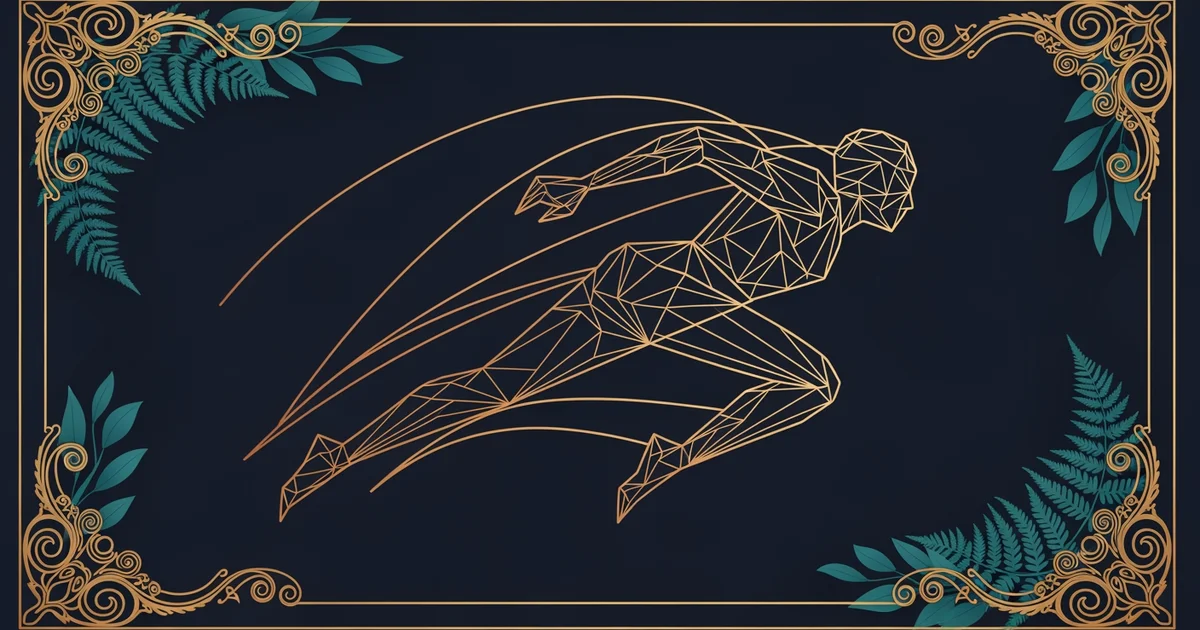
Muscular Engagement During Extension
When a dancer reaches for a high extension, the body relies on the agonist muscle to perform the primary movement. This muscle contracts to pull the limb into the desired position while the opposing side relaxes. Think of this process like a tug-of-war game where one team pulls the rope to move the center flag. If both teams pulled with equal strength at the same time, the flag would remain completely frozen. Dancers must learn to coordinate these opposing forces to ensure their limbs move smoothly rather than jerking.
Key term: Agonist — the primary muscle responsible for generating the specific force needed to move a limb.
To achieve a perfect line, the body must manage several key muscle groups simultaneously during every single movement. These groups work in harmony to maintain balance while the limbs extend far away from the center line. Consider the following major muscle groups that dancers engage to control their posture and limb placement during complex choreography:
- Quadriceps provide the explosive power needed for jumps by contracting to straighten the knee joint fully.
- Hamstrings stabilize the back of the leg to prevent injury while the dancer maintains a high extension.
- Gluteals function as the primary engine for hip rotation, which allows the leg to turn outward gracefully.
- Core abdominals act as an internal corset that keeps the spine neutral while the limbs move freely.
Balance Mechanics and Stability
Maintaining balance during a turn requires the body to engage deep stabilizer muscles that rarely receive recognition. These small muscles surround the joints and provide the fine adjustments needed to stay upright on one foot. If you imagine your body as a tall skyscraper, these stabilizers act like the hidden steel beams inside. They do not move the building, but they keep it from swaying when the wind blows hard. Without these tiny, deep muscles, a dancer would struggle to hold a static pose for even a second.
| Muscle Group | Primary Function | Role in Dance |
|---|---|---|
| Core | Spinal Support | Keeps torso upright |
| Quadriceps | Knee Extension | Powers high jumps |
| Gluteals | Hip Rotation | Enables turnout |
| Stabilizers | Joint Alignment | Prevents wobbling |
When a dancer performs a complex maneuver, they must balance the need for strength against the need for fluidity. Excessive tension in the large muscles often leads to rigid, robotic movement that lacks natural artistic expression. Instead, dancers focus on finding the exact amount of force required to complete the shape. This economic use of energy prevents premature fatigue and allows the performer to sustain high intensity throughout a long show. Mastering this balance is the hallmark of a professional dancer who understands their own anatomy well.
Effective dance technique requires the precise coordination of agonist muscles and deep stabilizers to balance explosive power with fluid control.
Now that we understand how muscles create movement, we must consider how these physical shapes translate into specific choreographic patterns.