
The Origins of Human Motion
Imagine you are watching a group of friends laughing and moving together at a concert. You might notice how their bodies sway in sync without any planned practice or verbal cues. This natural impulse to move with a beat is not just a modern habit for having fun. It is a deeply rooted human behavior that stretches back to the earliest days of our species. We use movement to bridge the gap between our internal feelings and the outside world. This connection allows us to share complex emotions without needing to say a single word.
The Roots of Early Human Movement
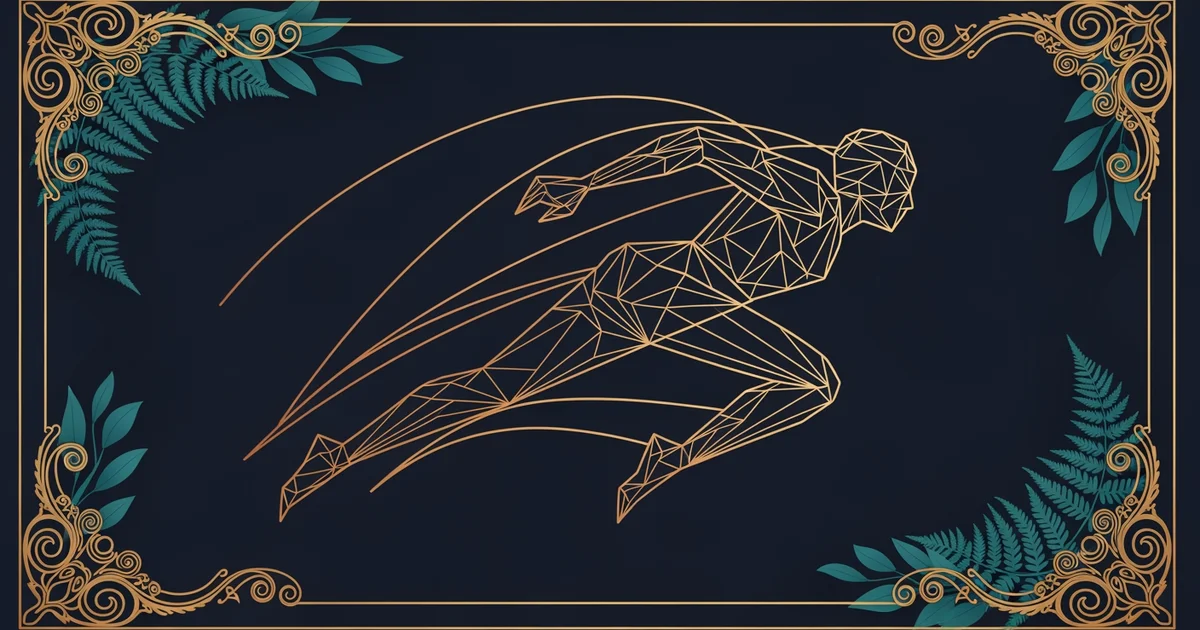
Long before humans developed complex language, they relied on physical motion to communicate vital information. Early groups found that moving together served as a powerful tool for survival and social connection. When people performed rhythmic motions as a collective unit, they felt a sense of belonging to their tribe. This was like a team using a secret handshake to build trust and ensure everyone stays focused. By moving in patterns, they could signal safety or warn of danger to the rest of the group. These early movements eventually evolved into the structured rituals that we now recognize as the basis for dance.
Key term: Social cohesion — the process by which a group of people stays connected through shared experiences and mutual trust.
Why We Move in Structured Rhythms
Ancient cultures discovered that structured movement helped them manage the stresses of daily life. Life for early humans was unpredictable and often dangerous, requiring constant cooperation to thrive. Dance acted as a form of social glue that kept the group functioning as a single, unified organism. When individuals move together, their heart rates often synchronize, creating a shared physiological experience that binds them closer. This process reduces individual anxiety and promotes a collective sense of purpose, much like how a well-oiled machine works better than separate parts.
To understand how these rituals functioned, we can look at the common ways ancient societies organized their physical expressions:
- Ceremonial gathering involves large groups moving in unison to celebrate successful harvests or mark important seasonal changes in the environment.
- Protective signaling uses sharp, rhythmic movements to mimic the behavior of predators, which helps the group practice defensive tactics in a safe space.
- Emotional release allows individuals to process grief or joy through repetitive motion, which helps the community heal after a difficult collective event.
These patterns provided a framework for human interaction that did not depend on spoken words. By participating in these rituals, each person learned their role within the larger social structure of the tribe.
The Lasting Impact of Ritualized Motion
Even today, we see these ancient roots in how we celebrate, mourn, or compete during major events. We still feel the pull to move in sync when we hear music that resonates with our internal rhythm. This tendency is a biological remnant of our ancestors who used movement to survive and stay united. Understanding these origins helps us appreciate why dance feels so natural and necessary for human expression. By exploring these foundational behaviors, we gain a clearer view of how our bodies function as instruments of communication. This path will eventually show you how to analyze these movements and appreciate the deeper meaning behind every performance you see.
Human movement functions as a fundamental language that builds community and processes emotion through shared rhythmic patterns.
By understanding these ancient roots, you are now ready to explore how we define and value dance as a modern art form.