
The Data-to-Sound Pipeline
Imagine you are holding a tiny microphone that listens to your heartbeat instead of your voice. This simple device captures the rhythmic pulse of your life and turns it into a digital stream for your computer. When you understand how this works, you can start controlling soundscapes with your own internal clock. You are essentially building a bridge between your biology and your digital music software.
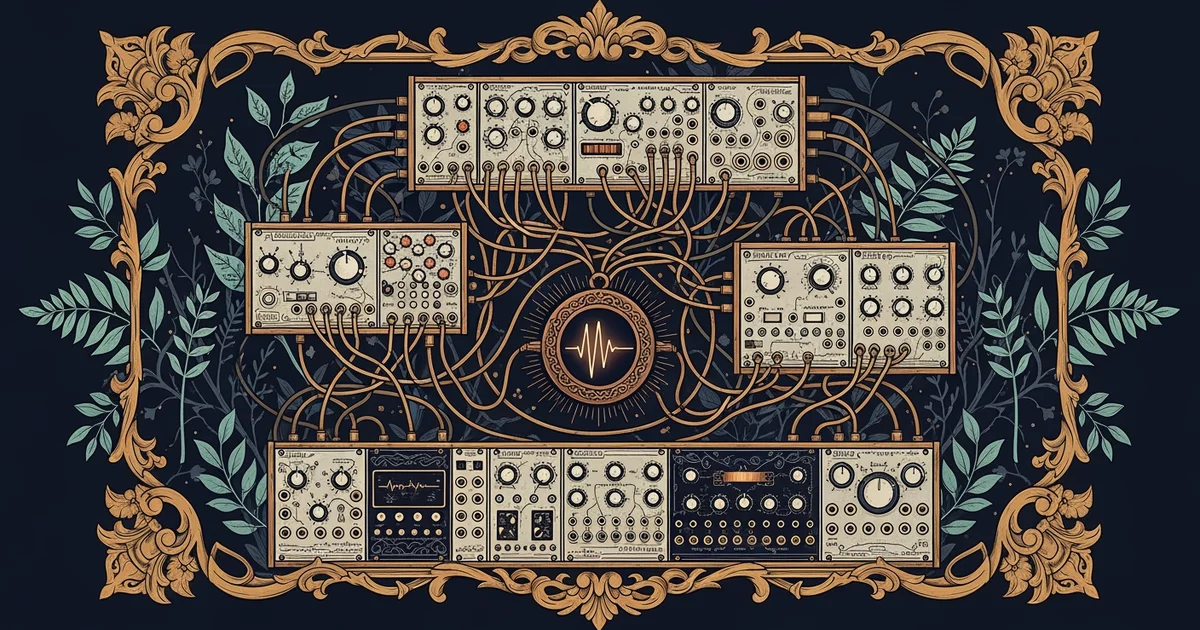
From Biological Pulse to Digital Signal
The process begins when sensors touch your skin to detect tiny electrical charges from your body. These raw signals are far too weak for a computer to understand on their own. We must use an amplifier to boost the signal strength until it becomes a stable voltage. Think of this like a water pump that takes a slow, thin trickle from a well and turns it into a steady flow for a house. Once the signal is strong enough, it travels through wires into an interface that prepares it for digital processing.
After the signal is boosted, it must change from an analog wave into a series of numbers. This step is called analog-to-digital conversion, and it happens inside your audio interface very quickly. The device takes thousands of snapshots of your heartbeat signal every single second to create a digital map. These numbers tell your software exactly how fast or slow your heart is beating at any given moment. Without this conversion, your computer would only see random noise instead of a clear musical rhythm.
Mapping Data to Sound Parameters
Once the computer receives these numbers, you can assign them to control specific parts of your music. You might map your heart rate to the speed of a drum loop or the pitch of a synthesizer. This creates a direct link where your excitement levels change the intensity of the performance in real time. It is like using a dimmer switch on a light, but instead of light, you are adjusting the volume or texture of the sound. The software constantly reads the data stream and updates the audio settings to match your current physical state.
To keep the system running smoothly, you need to manage how the data flows through your setup:
- The sensor gathers raw electrical data from the skin surface to identify the heart rhythm.
- The amplifier increases the signal power so the hardware can read the data without interference.
- The converter translates the electrical voltage into digital values that the music software can interpret.
- The mapping engine assigns those digital values to musical parameters like tempo, filter cutoff, or volume.
This workflow ensures that your biological data remains accurate as it moves from your body to the speakers. If one part of this chain fails, the sound will either stop or become erratic and unpredictable. By keeping the signal path clean, you ensure that your performance feels responsive and truly connected to your physical presence on stage. You are essentially teaching the computer to listen to your body language through the medium of electricity.
Transforming biological signals into digital audio requires a precise chain of amplification and conversion to ensure your physical state translates accurately into musical expression.
The next step involves exploring how heart rate variability mapping allows for more nuanced and emotional control over your live sound environment.