
Introduction to Bio-feedback Music
Imagine a live concert where the music shifts and pulses based on the heartbeat of the person standing on stage. This is not science fiction but a growing reality in modern musical performance spaces where technology connects the human body to sound. By using specialized hardware, performers can turn their own internal physical states into active musical components during a show. This creates a deeply personal link between the artist and the audience as the performance reacts to real-time biological changes.
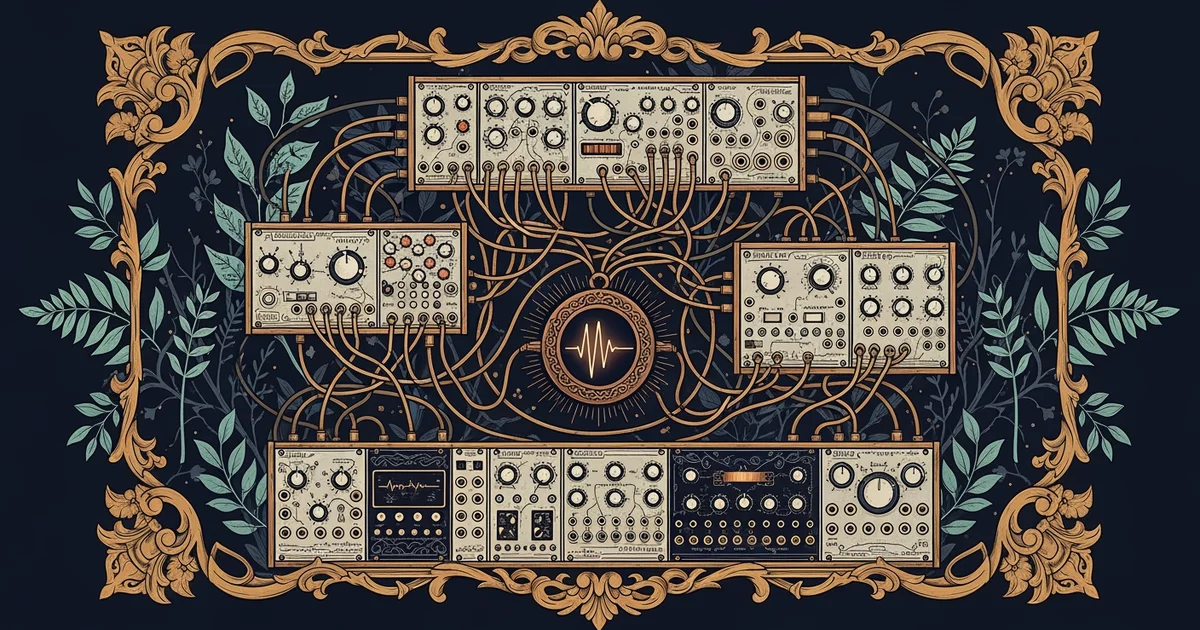
The Concept of Biological Data Input
Bio-feedback in music relies on the idea that biological signals are just another form of data that a computer can process. When you exercise, your heart rate increases and your skin temperature might change due to blood flow. These physical reactions are electrical or chemical signals that sensors can detect and turn into digital numbers. A musician can then map these numbers to specific musical parameters like volume, pitch, or even the speed of a digital drum beat. Think of this process like driving a car where the engine speed is controlled by your own breathing instead of a gas pedal. Just as you learn to control the car by pressing the pedal, the performer learns to influence the music by consciously managing their physical state during the show.
The Cycle of Signal Processing
To make this work, the performer follows a specific cycle that moves from the body to the speakers. First, a sensor attached to the body captures raw data such as heart rate or muscle tension. This raw data moves to a computer, which translates the messy biological signal into a clean digital format. The software then applies a set of rules to decide how that number should change the music. Finally, the audio output shifts instantly, allowing the performer to hear the result of their biological state. This loop happens so quickly that the artist and the computer feel like a single, unified instrument.
Key term: Bio-feedback — a process that uses electronic monitoring to convey information about a physiological process in real time.
This cycle transforms the performer into a living controller for the sound system. It requires the musician to practice not just their instrument but also their ability to remain calm or energized on command. If the performer wants the music to become louder, they might need to increase their heart rate through physical movement or focused breathing. This is a skill that requires significant practice to master effectively during a live event.
Integrating Data into Musical Performance
Integrating this data requires careful planning to ensure the music remains enjoyable for the audience. If the music changes too drastically based on minor physical shifts, the performance might become unpredictable or distracting. Musicians often use a process called mapping to decide which biological signals trigger which musical changes. They might choose to map heart rate to the tempo of a song to create a natural ebb and flow. Other performers might use muscle tension to trigger sound effects or texture changes in the background audio. The goal is to make the biological input feel like a natural part of the artistic expression rather than a gimmick.
| Signal Type | Physiological Source | Musical Parameter | Typical Use |
|---|---|---|---|
| Heart Rate | Pulse rhythm | Tempo or BPM | Driving rhythm |
| Muscle EMG | Electrical activity | Volume or gain | Dynamic control |
| Skin Conductance | Sweat gland activity | Sound texture | Intensity shifts |
By carefully choosing which signals to use, the performer creates a unique soundscape that is impossible to replicate with traditional instruments alone. This path will guide you through the technical steps required to build your own interactive performance setup from the ground up.
Bio-feedback allows performers to bridge the gap between internal biological states and external sound output to create truly responsive musical experiences.
By understanding these core principles, you are now ready to explore the specific sensors and hardware needed to capture your own biological data for live performance.