
Global Health Disparities
Imagine a world where the simple zip code of your birth dictates your life expectancy by decades. This stark reality defines the landscape of global health, where geography often acts as a barrier to basic survival.
Understanding Health Inequalities
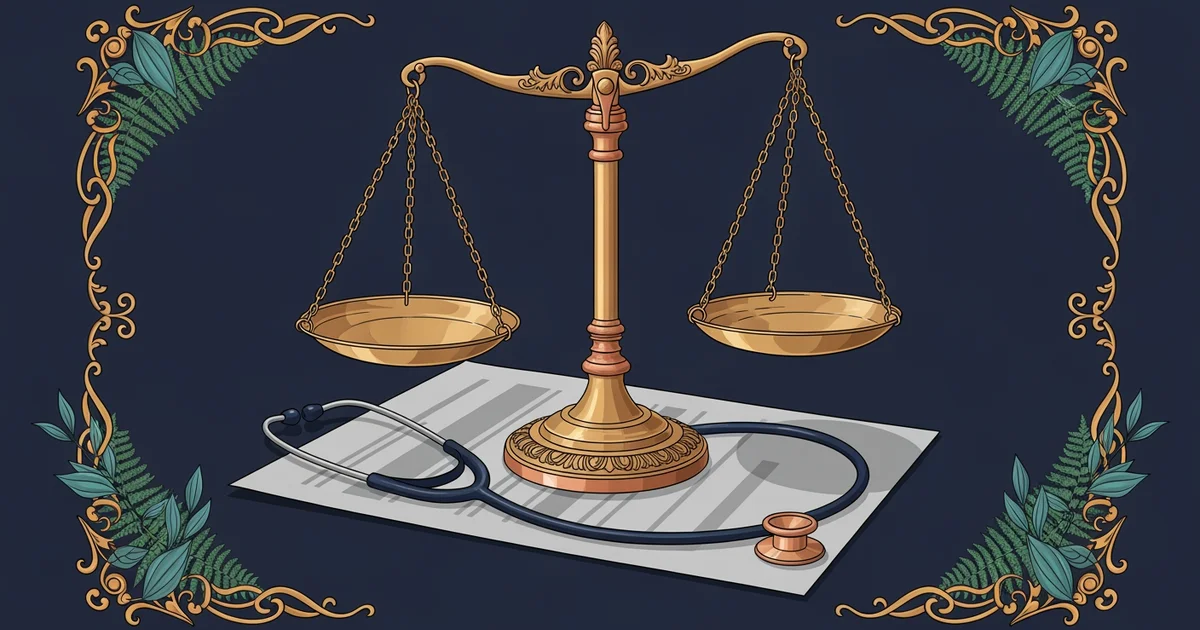
Global health disparities represent the unfair gaps in health outcomes between wealthy and poor nations. These gaps exist because resources like vaccines, clean water, and trained doctors are not spread evenly across our planet. When we look at the foundation question of how to decide what is right, we must consider if it is ethical to allow such massive differences in human life quality. This situation is like a race where some runners start at the finish line while others must navigate a path filled with deep, muddy trenches. Those in the lead have access to advanced tools, while those behind lack even the most basic equipment needed to compete fairly.
Research suggests that these gaps stem from historical, economic, and political factors that limit access to care. While previous stations discussed how AI in medical diagnosis can speed up care, these tools remain largely unavailable in regions lacking stable electricity or internet. This creates a new tension where technology improves health for some while leaving others further behind than ever before. We must reconcile the promise of high-tech medicine with the reality that billions still lack basic medicine. If we focus only on the newest inventions, we risk ignoring the urgent needs of the global population that lacks access to simple, proven treatments.
Strategies for Global Equity
To address these systemic issues, global leaders propose several paths to ensure that medical science serves everyone equally. These efforts require cooperation across borders to shift resources toward areas with the greatest need. By recognizing that health is a shared human right, nations can work to stabilize the systems that support life. The following list details key approaches used to bridge the gap in global health outcomes:
- Infrastructure development focuses on building roads, clinics, and power grids so that medical supplies can reach remote areas without delay or damage.
- Education programs train local healthcare workers to provide care that is culturally relevant, sustainable, and effective for the specific needs of their unique communities.
- Fair distribution policies ensure that essential medicines and vaccines are priced at levels that allow developing nations to purchase them without sacrificing other public services.
Key term: Health equity — the state where every individual has a fair and just opportunity to attain their highest level of health regardless of their social or economic background.
When we compare different regions, we see how economic status influences the availability of life-saving medical interventions. This table highlights how resources differ based on a nation's wealth level and its ability to support its citizens.
| Feature | High-Income Region | Low-Income Region |
|---|---|---|
| Access to Care | Readily available | Often limited |
| Medical Tech | Highly advanced | Basic equipment |
| Trained Staff | Abundant supply | Shortage of staff |
This comparison shows that the disparity is not just about money, but about the systems that manage human health. We must ask ourselves if the future of bioethical policy should prioritize universal access over the rapid development of expensive new technologies. Integrating the lessons from our previous studies on AI and bioethics, we see that technological progress is only as strong as the system that delivers it. If the system is broken, the best tools in the world will not reach those who need them most. The challenge remains to balance our drive for innovation with a firm commitment to global fairness. This work requires us to view health as a global project rather than a collection of local concerns.
True justice in medicine requires moving beyond local concerns to ensure that every human has an equal opportunity to survive and thrive.
Looking toward the future of bioethical policy, we must determine how international laws can enforce these standards of fairness. This content is educational only and does not constitute medical advice. Always consult a qualified healthcare professional for personal health decisions.