
Defining the Scope of Bioethics
Imagine a surgeon holding a new tool that could potentially rewrite the human genetic code forever. This scenario forces us to look past simple medical success and question the moral weight of such power. When science moves faster than our ability to weigh the consequences, we need a framework to guide our choices. This field of study acts as a compass for those complex moments where technology meets our deepest human values.
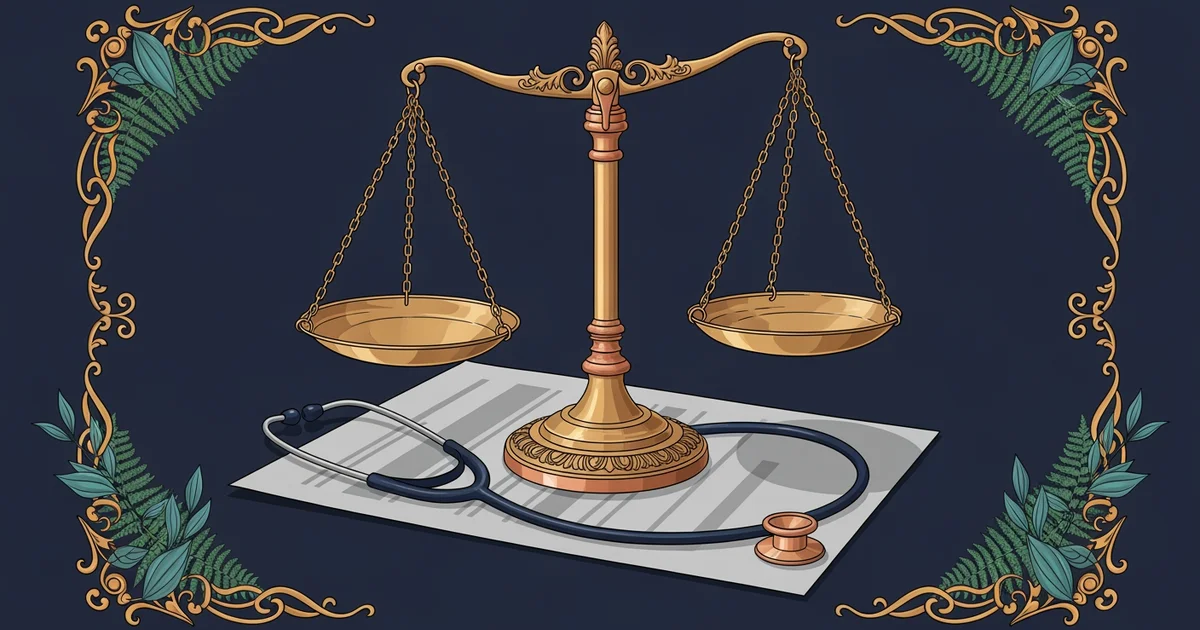
The Scope of Ethical Inquiry
Bioethics serves as a bridge between scientific progress and the values that define our society. It examines how medical choices affect human dignity and the rights of every individual patient. Rather than focusing on how to perform a procedure, it asks whether that procedure aligns with human welfare. This field requires us to balance potential benefits against the risks of causing unintended harm to people. By setting boundaries, it ensures that innovation does not come at the expense of our fundamental moral standards.
Key term: Bioethics — the study of moral issues arising from advances in biology, medicine, and healthcare technology.
Think of this field like a budget for a large household project that involves many difficult decisions. You might have enough money to build a massive pool, but you must decide if that is the best use of your limited resources. Similarly, medical science offers many expensive or complex paths, but we must choose the ones that serve the greater good. This analogy shows that we cannot simply pursue every option just because it is technically possible for us to do so.
Navigating Complex Medical Choices
Defining the boundaries of this study involves looking at how we treat vulnerable populations in clinical settings. We must evaluate if a medical intervention treats people as unique individuals rather than just test subjects. This requires looking at three core areas of concern that appear in almost every modern medical dilemma today:
- Patient autonomy involves respecting the right of individuals to make their own informed health decisions.
- Justice requires that we distribute medical resources and new treatments fairly across all parts of society.
- Non-maleficence focuses on the duty of medical professionals to avoid causing unnecessary harm to their patients.
These principles help experts analyze if a new treatment offers genuine value or creates new problems. By applying these standards, we gain a clearer view of the impact that medical choices have on our lives. This structured approach prevents us from making impulsive decisions that could have long-term negative effects on human health. Through this lens, we can see that ethics is not an obstacle to progress but a necessary guide for it.
| Focus Area | Primary Question | Goal of Inquiry |
|---|---|---|
| Autonomy | Can they choose? | Protect freedom |
| Justice | Is it fair? | Ensure equality |
| Safety | Is it harmful? | Minimize suffering |
This table highlights how we categorize the different layers of a medical decision. Each column represents a different way to view the same clinical situation to ensure nothing important is missed. When we use this grid, we move beyond emotional reactions to reach a more stable and balanced conclusion. By identifying these layers, we build a foundation for making choices that respect both science and humanity. This process is essential for maintaining trust between the medical community and the public they serve.
Bioethics provides a necessary framework for evaluating if our medical capabilities truly serve the best interests of human dignity and welfare.
By the end of this path, you will possess a robust toolkit for analyzing complex medical dilemmas and understanding the core principles that guide professional healthcare decisions. This content is educational only and does not constitute medical advice. Always consult a qualified healthcare professional for personal health decisions.