
The Four Pillars of Ethics
Imagine a surgeon must choose between saving a patient’s life or following a family member’s strict request. Such dilemmas happen daily in hospitals where medical power is vast and choices are hard.
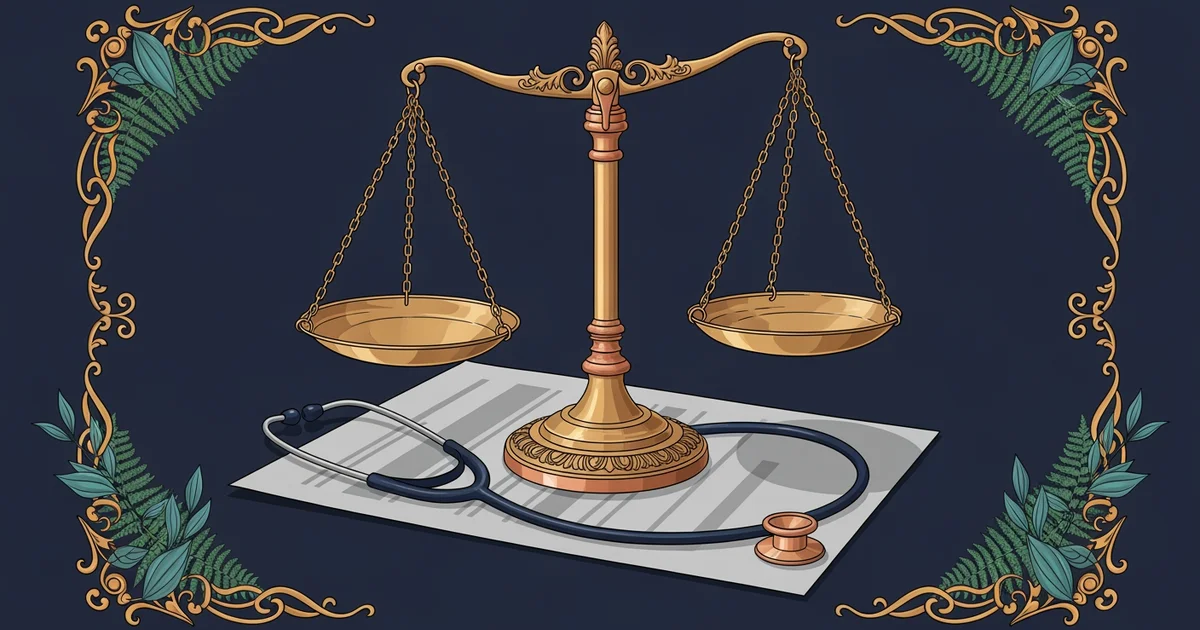
The Framework for Ethical Medical Decisions
To manage these complex choices, medical professionals rely on four core principles to guide their actions. These standards help doctors balance the potential benefits of treatments against the risks of harm to patients. Think of these pillars like the four legs of a sturdy table that support the entire structure of patient care. If one leg is missing or weak, the whole system risks failing the person who needs help. By keeping these four ideas in mind, health teams can navigate difficult situations with a clear and consistent moral compass. These pillars ensure that care remains respectful and focused on the needs of every unique person.
Key term: Bioethics — the study of moral choices in medicine and health care that balances scientific progress with human values.
Understanding the Four Pillars of Care
Building on this foundation, we must define the specific duties that doctors owe to their patients. These principles provide a common language that allows medical staff to discuss ethical problems without personal bias.
| Pillar | Core Meaning | Primary Focus |
|---|---|---|
| Autonomy | Self-rule | Patient choice |
| Beneficence | Doing good | Patient welfare |
| Non-maleficence | Avoiding harm | Patient safety |
| Justice | Being fair | Equal access |
These pillars function together to form a balanced approach to treatment. When doctors prioritize autonomy, they respect the right of individuals to make their own health decisions. This means providing clear information so that patients can decide what happens to their own bodies.
Beneficence requires that health professionals act in the best interest of the patient at all times. It is not enough to just avoid mistakes; doctors must actively seek the best outcome for the person. Sometimes, the goal of doing good conflicts with the goal of respecting a patient's personal choice.
Non-maleficence establishes the duty to do no harm during any medical procedure or treatment plan. While many treatments carry some risk, the goal is always to prevent unnecessary pain or injury. This principle acts as a safeguard against reckless actions that might worsen a patient's health status.
Finally, justice ensures that resources and care are distributed fairly among all members of society. It demands that doctors treat people equally regardless of their background or their personal social status. When these four pillars are applied together, they create a stable environment for making very difficult health choices.
Consider the analogy of a pilot flying a plane with passengers who each have different needs. The pilot must balance safety, speed, and comfort while following strict rules that keep everyone on board protected. If the pilot ignores the rules of safety to save time, they violate the principle of non-maleficence. If they ignore the requests of the passengers, they fail to respect the principle of autonomy. Every decision in medicine requires this same careful balancing act to ensure that the process remains fair and effective for everyone involved.
Ethical medical practice relies on balancing patient freedom, the duty to help, the need to avoid harm, and the fair distribution of care.
Moving forward, we will investigate how these modern principles evolved from historical traditions and early medical codes.
This content is educational only and does not constitute medical advice. Always consult a qualified healthcare professional for personal health decisions.