
Genetic Testing Ethics
In 2018, a major insurance provider denied a policy application based on a predictive genetic marker found in an individual's medical records. This scenario acts as a real-world application of the ethical tensions explored in Station 11, where we discussed individual autonomy versus institutional control. Genetic information is unique because it reveals data not just about the person tested, but about their biological relatives as well. When medical science can map the entire code of human life, society must decide how to balance private discovery with public fairness. This process creates a complex web of rights, responsibilities, and risks that define modern genomic medicine.
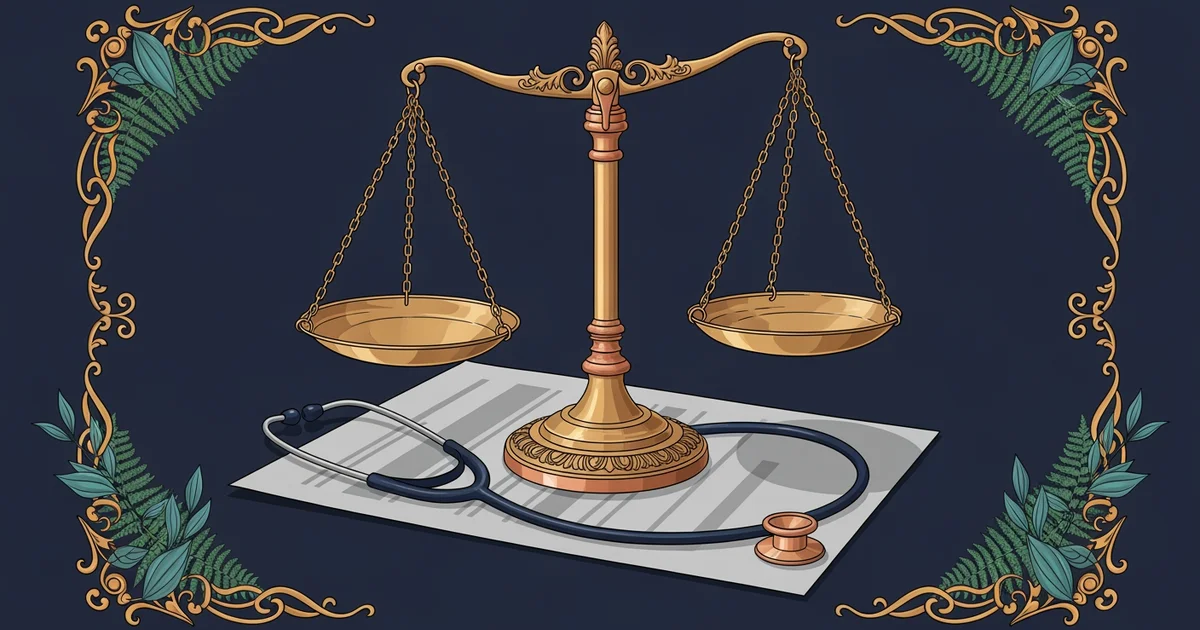
The Privacy of Biological Data
Genetic testing offers individuals deep insights into their future health risks and potential hereditary conditions. This information acts like a map of a person's biological future, showing paths of vulnerability that remain hidden otherwise. However, this map is not strictly private property because it contains shared data points. If a person discovers a mutation for a specific disorder, that discovery immediately implies that their siblings or parents might carry the same trait. Protecting this data requires more than simple passwords or locked files, as the information carries social implications that extend far beyond the individual patient.
Key term: Genetic privacy — the right of individuals to control the access, use, and distribution of their own unique biological data.
Because this data is permanent, it creates a long-term risk profile that cannot be changed or deleted. Unlike a credit card number that you can reset after a theft, your genetic sequence is a fixed asset. If this information leaks or enters a database used by employers, it could lead to systemic discrimination based on future health outcomes. Society currently struggles to build legal walls tall enough to prevent this data from being used in ways that hurt the very people the tests were meant to help.
Ethical Dilemmas in Genomic Access
When we analyze the risks of genetic information, we must look at how institutions handle that data. The following factors represent the primary challenges that policymakers face today when regulating the use of genomic testing in the private sector:
- Insurance underwriting processes often attempt to use genetic data to predict future costs, which could lead to higher premiums for individuals based on their DNA.
- Employment screening might eventually favor candidates with lower genetic risk profiles, creating a new class of social inequality based entirely on biological destiny.
- Data storage security remains a critical concern, as large genomic databases become high-value targets for cyberattacks that seek to exploit sensitive health information.
These issues show that genetic testing is not just a medical tool, but a powerful social commodity. The analogy here is like a house key; having the key gives you access, but if you lose it, every room inside the house becomes open to anyone who finds it. We must ensure that the gatekeepers of this data prioritize the welfare of the individual over the efficiency of the institution. Without strict oversight, the very science designed to heal us could become a tool for social division.
| Stakeholder | Primary Interest | Ethical Risk |
|---|---|---|
| Patients | Personal health | Data exposure |
| Insurers | Financial risk | Discrimination |
| Researchers | Scientific gain | Privacy loss |
This table illustrates how different groups view genetic data through conflicting lenses. While researchers need large datasets to cure diseases, patients need to know their secrets are safe. Balancing these interests is the central task of modern bioethics. We must create policies that encourage innovation while shielding individuals from the potential misuse of their internal biological blueprints. This is the only way to ensure that genomic medicine serves the common good without compromising basic human rights.
Genetic testing provides deep health insights but requires robust protections to prevent the misuse of shared biological data by institutions.
But this model breaks down when we consider the role of artificial intelligence in analyzing complex genetic patterns for medical diagnosis.
This content is educational only and does not constitute medical advice. Always consult a qualified healthcare professional for personal health decisions.