
Ethics of Medical Documentation
Imagine a digital vault that holds your most intimate secrets, yet requires a key held by dozens of strangers. This is the reality of your medical records, which must move between doctors to ensure you receive the safest care possible.
Protecting Sensitive Health Data
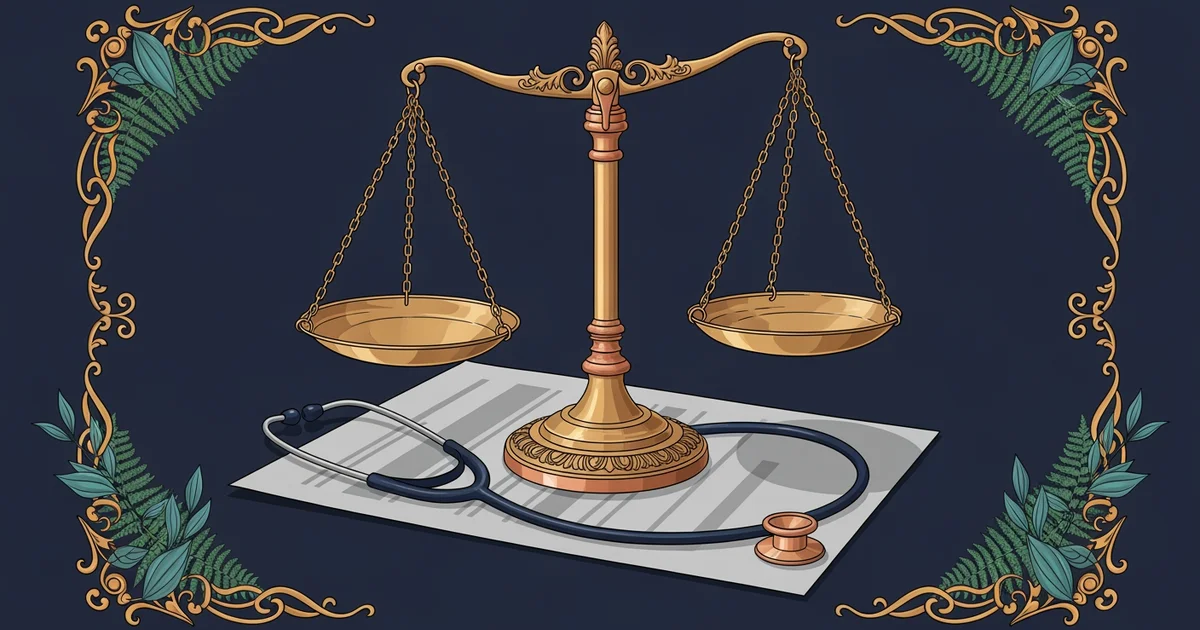
When healthcare providers document your history, they create a permanent record of your life. This medical documentation acts like a financial ledger, tracking the assets of your health and the debts of your past illnesses. Because this data is portable, it creates a risk that private details could leak into the wrong hands. Protecting this information requires strict adherence to privacy standards that ensure only necessary eyes see your charts. When records are handled correctly, they support better health outcomes by providing a clear view of your medical journey. When handled poorly, they can lead to identity theft or social stigma for the individuals involved.
To manage this risk, institutions use specific protocols that control who accesses your files and why. These rules act like a security checkpoint at a border, checking the credentials of everyone who tries to enter. The goal is to balance the need for information sharing with the right to keep your personal life private. If a doctor needs to see your history, they should only access the parts relevant to your current condition. This principle of minimum necessary access ensures that your entire history is not exposed for a simple checkup. By limiting access, clinics reduce the chances of accidental data exposure.
Standards for Digital Privacy
Modern health systems rely on digital files that are much easier to share than old paper charts. While this speed helps save lives, it also means that data can be copied or moved with a single click. To address this, organizations follow strict privacy standards that dictate how data must be encrypted and stored. Think of these standards like a complex bank vault that requires multiple keys to open, ensuring that no single person can access the contents alone. These rules prevent unauthorized users from viewing your files, even if they manage to bypass basic security measures.
Key term: Privacy standards — the legal and technical rules that define how health information is collected, stored, and shared to protect patient identity.
Healthcare providers must follow these essential practices to keep your data secure:
- Encryption of digital files ensures that data remains unreadable to anyone without the correct digital key, making intercepted information useless to hackers.
- Audit trails track every person who views a medical file, creating a permanent log that allows administrators to investigate any suspicious activity or unauthorized access.
- Role-based access controls limit the information available to staff based on their specific job, ensuring that a billing clerk cannot view your private clinical notes.
These practices create a layer of safety that protects your identity from being misused. When individuals understand these protections, they can feel more confident sharing necessary information with their care teams. Trust is the foundation of the doctor-patient relationship, and robust data security is the primary way that clinics maintain that trust today. Without these safeguards, the digital age of medicine would be far too dangerous for people to participate in safely.
Effective medical documentation requires a strict balance between sharing essential data for care and using robust security measures to prevent unauthorized access.
But what does it look like when these records reach the final stages of a person's life? This content is educational only and does not constitute medical advice. Always consult a qualified healthcare professional for personal health decisions.