
Biomimicry in Modern Design
When the Japanese Shinkansen bullet train first launched, its high speeds caused a loud sonic boom upon exiting narrow tunnels. Engineers struggled to solve the pressure wave problem until they observed the kingfisher bird diving into water without creating a splash. By redesigning the train nose to mimic the bird’s beak, they reduced noise and increased efficiency significantly. This is biomimicry from Station 11 working in real conditions to solve a complex engineering challenge.
Translating Natural Patterns into Human Technology
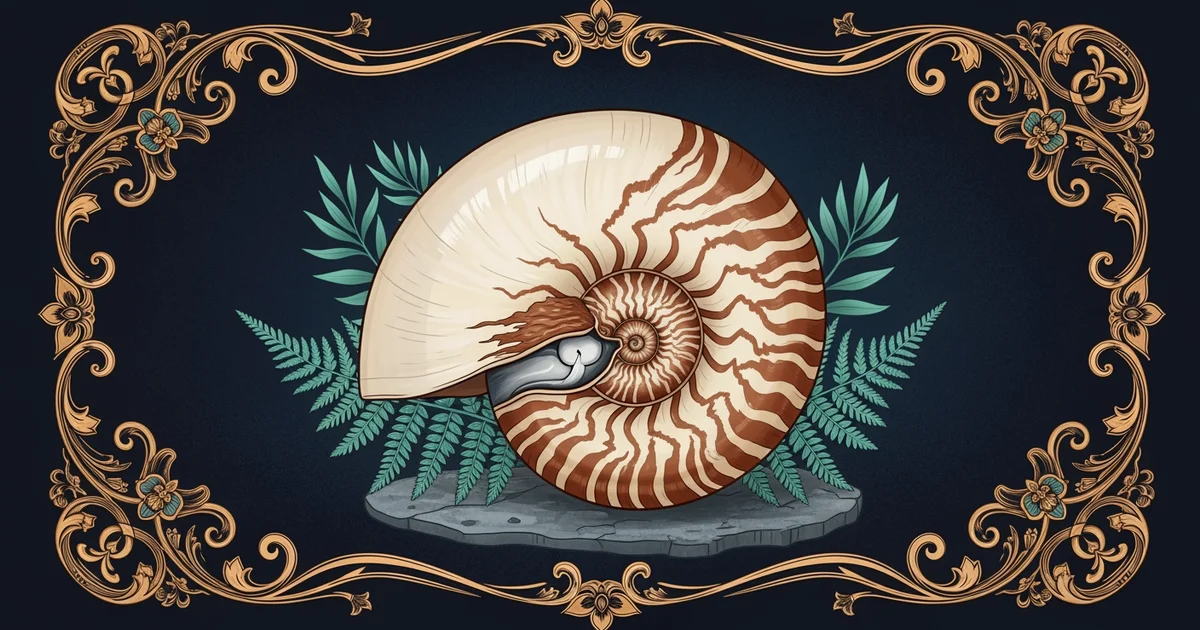
Nature has spent billions of years refining designs through the process of evolution and environmental pressure. Every organism we see today represents a successful prototype that has survived countless tests of efficiency and durability. When we look at the natural world, we see complex geometry that often functions far better than our man-made alternatives. Engineers now treat the natural world as a massive library of blueprints waiting for human application. By studying these biological systems, we can identify specific mechanical advantages that apply to our modern industrial needs.
Key term: Biomimicry — the practice of learning from and mimicking the strategies found in nature to solve human design problems.
We often struggle with structural efficiency because our traditional manufacturing methods rely on heavy materials and rigid shapes. Nature, however, achieves strength through lightweight, porous, and flexible structures that distribute stress across large surface areas. Think of a honeycomb structure in a beehive; it uses a minimal amount of wax to create a strong, stable, and spacious storage unit. Designers now use these same hexagonal patterns to build aircraft parts that are both incredibly lightweight and structurally sound. This transition from rigid to organic shapes allows us to save energy and resources in every single project.
Developing Sustainable Design Solutions
Transitioning to nature-inspired design requires us to change how we view raw materials and their mechanical properties. We must stop thinking about building things as solid blocks and start thinking about internal geometry and surface textures. For example, the lotus leaf stays clean by using microscopic bumps that force water droplets to roll off instantly. Architects now apply this concept to paint and building materials to create surfaces that clean themselves during rain. This reduces the need for harsh chemicals and manual cleaning, saving both time and environmental impact.
There are several ways that biological systems inform our modern design choices across different industries:
- Shark skin texture reduces drag in water by using tiny overlapping scales, which leads to better hull designs for high-speed ships.
- Termite mound ventilation systems use passive cooling techniques that regulate internal temperatures without requiring any electrical or mechanical air conditioning units.
- Burdock burrs inspired the invention of hook-and-loop fasteners, which provide a simple way to connect materials without using permanent adhesive tools.
| Feature | Biological Source | Human Application | Benefit |
|---|---|---|---|
| Beak shape | Kingfisher bird | Train nose design | Reduced noise |
| Surface texture | Lotus leaf | Self-cleaning walls | Less maintenance |
| Internal structure | Honeycomb | Aerospace panels | Lower weight |
By comparing these features, we see that nature offers solutions for speed, cleanliness, and structural integrity. Each application requires us to strip away the unnecessary parts of the biological model to focus on the core geometry. We then test these models against our human requirements to ensure they perform well under real stress. This iterative process ensures that we are not just copying nature, but actively applying its logic to our specific needs.
Modern design succeeds by applying the efficient, time-tested geometric patterns found in nature to solve complex human engineering challenges.
But this model breaks down when the manufacturing costs of complex organic shapes exceed the energy savings they provide.