
Digital Era Distribution
When a reader scrolls through a massive digital library on a smartphone, they decide which story to buy based on a tiny cover image and a brief summary. This instant selection process changes how authors write and how publishers sell their work in the modern age. Authors now prioritize hooks that grab attention within the first few seconds of a digital preview. This shift in reading habits demonstrates how technology forces creators to adapt their style to survive in a crowded virtual marketplace.
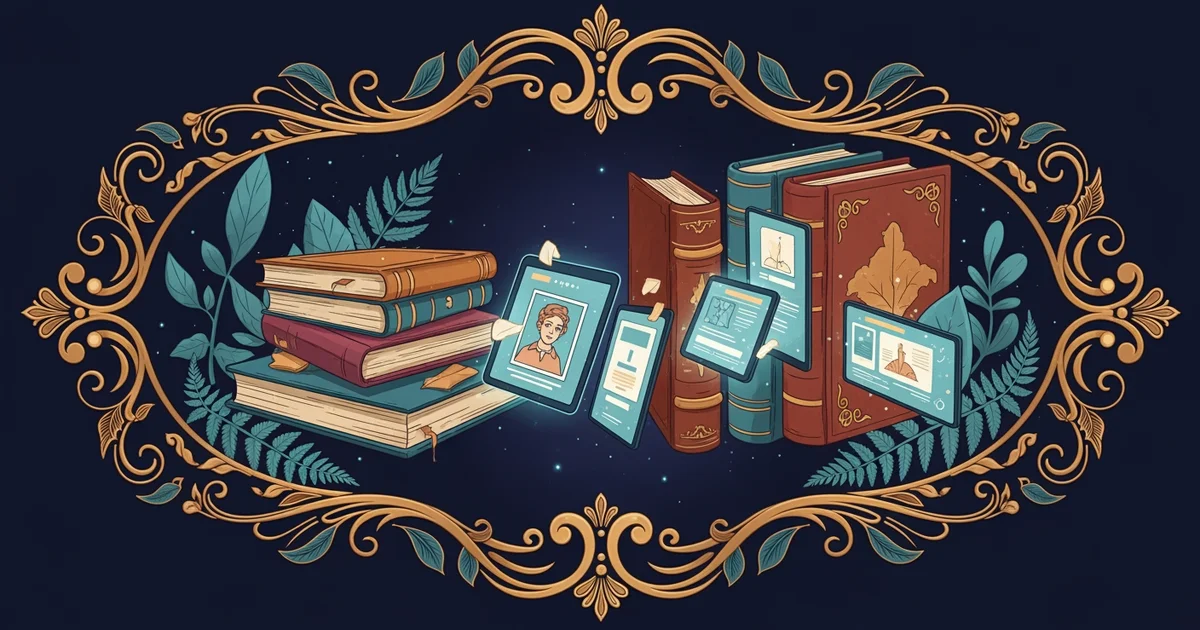
Digital Platforms and Consumer Behavior
Digital platforms act as a giant filter that organizes the vast ocean of available genre fiction for the average user. Algorithms track what readers click on and then suggest similar books to keep them engaged for as long as possible. This creates a feedback loop where popular genres get more visibility while niche stories struggle to find an audience. Authors understand this pressure and often tailor their writing to fit existing categories that perform well on these platforms. Think of this process like a crowded supermarket shelf where the most colorful box gets picked first by a hungry shopper. The visual appeal and the initial promise of the story determine success more than the actual depth of the writing itself. Because digital storefronts prioritize high engagement, they incentivize writers to produce content that fits neatly into proven genre tropes.
Adapting Narrative Structures for Screens
Modern writers must structure their plots to satisfy the quick pace of digital consumption habits. Readers often switch between devices and apps, so stories need clear entry points that allow for easy re-engagement after a break. This environment favors short chapters and frequent cliffhangers that encourage the reader to click the next page immediately. The following list highlights how digital distribution influences the actual construction of modern stories:
- Rapid pacing ensures that the reader remains interested while scrolling through a long digital document on a small screen.
- Frequent emotional pay-offs help maintain high engagement levels which the platform algorithms track to boost book visibility.
- Simplified character introductions allow readers to jump into a series at any point without feeling lost or confused.
These techniques allow authors to compete with other forms of digital media that also demand constant attention. By mimicking the rhythm of social media feeds, writers can keep their audience glued to the screen for hours.
The Economic Impact of Distribution
Direct distribution models allow authors to bypass traditional gatekeepers and reach their audience without any outside interference. This independence is a double-edged sword because it places the entire burden of marketing and discoverability on the creator. Successful authors must now become experts in digital branding to ensure their work stands out among millions of other titles. The table below compares the traditional publishing model with the modern digital distribution model to show these key differences:
| Feature | Traditional Publishing | Digital Distribution |
|---|---|---|
| Reach | Limited by physical space | Global and instant access |
| Costs | High entry barriers | Low cost for publication |
| Control | Gatekeepers select works | Creator holds full power |
This shift means that the market is flooded with new content, which makes finding quality work much harder for the average reader. Digital platforms attempt to solve this problem by using data to guide consumer choices toward specific titles. However, this reliance on data can lead to a homogenization of stories as writers chase trends to ensure their books get promoted by the software. The struggle for attention in a digital space remains the primary challenge for any modern writer trying to build a lasting career.
Digital platforms reshape genre fiction by forcing authors to prioritize immediate engagement and algorithmic visibility over traditional narrative pacing.
But this model creates a tension when authors try to subvert genre tropes while still trying to satisfy the demands of automated recommendation systems.