
Gothic Origins of Horror
Shadows stretch long across the factory floor, hiding secrets that the steam engines cannot fully drown out. When the gears of progress began to grind, they created a new kind of fear that haunted the Victorian mind.
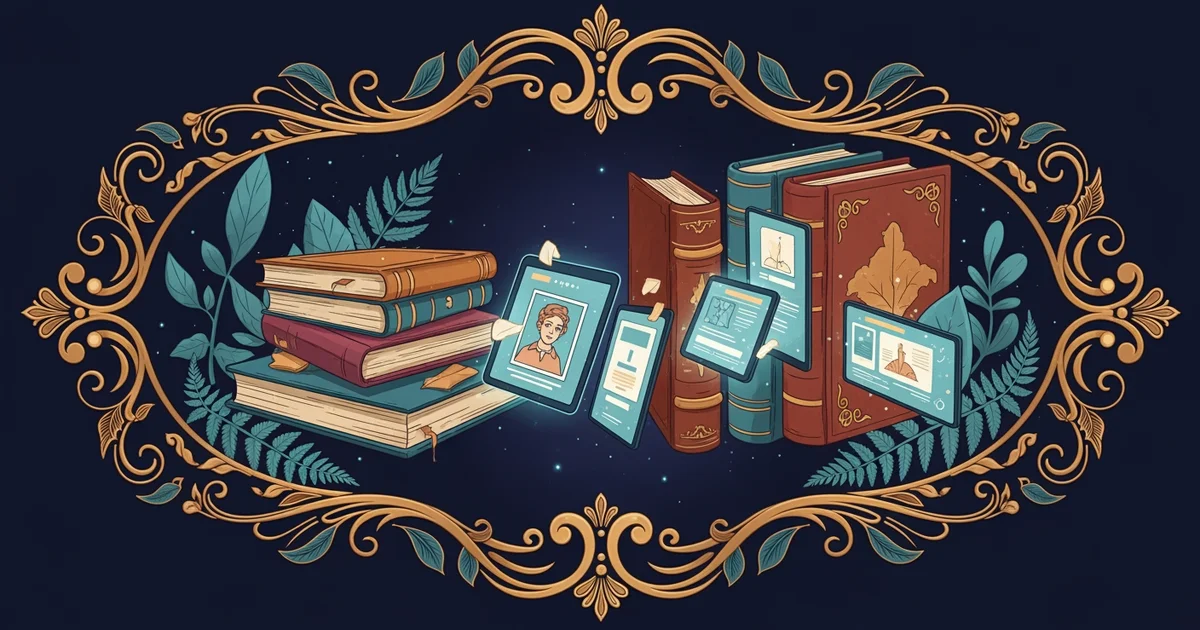
Industrial Anxiety and the Gothic Shift
As the world transitioned from quiet rural fields to the loud, soot-filled cities of the industrial age, people felt a deep sense of unease. This shift created the Gothic tradition, a style of storytelling that used crumbling castles and dark ruins to mirror the decay of old ways. The rapid growth of factories and machines left many feeling small and powerless against a changing landscape. Writers tapped into this collective anxiety by setting stories in places where the past refused to stay buried. They transformed the fear of losing one's identity to a machine into the fear of being trapped by a ghost. This literary move allowed readers to process their discomfort with modern life through the safe lens of ancient, supernatural terrors.
Think of this transition like a homeowner who discovers a hidden, rotting floorboard after installing a shiny new kitchen appliance. The new machine represents the bright promise of industry, but the rot beneath the floor represents the hidden costs of that progress. Just as the homeowner cannot ignore the smell of decay while the new stove runs, the Victorian reader could not ignore the social cracks while the factories hummed. The horror genre serves as that floorboard, forcing us to look at the mess we try to hide beneath the surface of our shiny, modern existence.
Modern Tropes Born from Old Fears
Many of the scary stories we see today rely on these early themes of displacement and technical dread. The following list shows how nineteenth-century fears evolved into the tropes that define modern horror films and novels:
- The haunted house acts as a symbol for the crumbling social structure, where the walls hold the memories of those the industrial machine left behind.
- The mad scientist represents the fear of unchecked human progress, showing how knowledge without empathy leads to monsters that turn against their creators.
- The cursed object serves as a reminder that human greed for new power often carries a price that cannot be paid back.
These tropes remain popular because our modern world still feels like a complex machine that we do not fully control. We worry about digital surveillance and artificial intelligence just as our ancestors worried about steam power and urbanization. By looking at these patterns, we see that horror is not just about ghosts or monsters lurking in the dark corners. It is a mirror that reflects how we feel when the world changes faster than our ability to understand it. When we engage with these stories, we are actually practicing how to survive the feeling of being overwhelmed by forces much larger than ourselves.
| Feature | Victorian Gothic | Modern Horror | Primary Fear |
|---|---|---|---|
| Setting | Ruined Castles | Urban Sprawl | Displacement |
| Antagonist | Ancient Spirits | Mad Scientists | Loss of Control |
| Outcome | Moral Warning | Survival Struggle | Total Collapse |
This table illustrates how the core elements of horror have shifted over time to suit the changing anxieties of the human experience. While the setting moved from the castle to the city, the underlying need to confront our collective fear of the unknown remains the same. We use these stories to build a wall between our rational minds and the chaotic reality of living in a rapidly evolving society. As long as we continue to push the boundaries of what is possible, we will continue to find new ways to tell stories about the darkness that follows us.
Key term: Gothic — a genre of literature that uses dark, supernatural, or decaying settings to explore the anxieties of a changing society.
Horror stories evolve alongside technology by transforming our current social anxieties into timeless symbols of dread that help us process the uncertainty of progress.
The next Station introduces Science Fiction Roots, which determines how early industrial fears eventually transformed into our modern fascination with the future.