
Character Archetype Shifts
A hero who saves the day without facing any personal doubt feels hollow to modern readers. We expect characters to mirror our own messy lives rather than act like flawless statues of stone.
Adapting Classic Hero Archetypes
Traditional stories often relied on a static hero archetype that remained unchanged by the events of the plot. This figure usually possessed immense strength or moral purity that allowed them to overcome any obstacle with ease. Modern audiences find this approach boring because it lacks the nuance of human growth and internal conflict. When we write today, we must shift these figures from symbols of perfection into vessels of change. A contemporary hero needs flaws that hinder their progress and force them to make difficult choices. If a hero never struggles with their own nature, the audience cannot connect with their journey or their eventual victory.
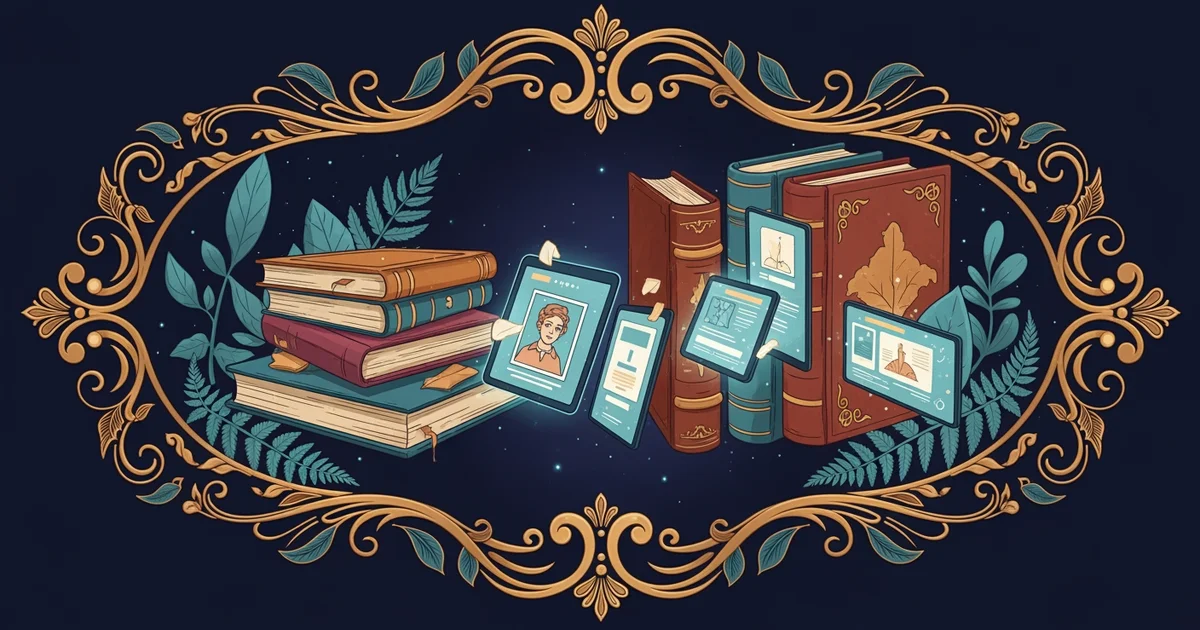
Think of a hero like an expensive smartphone that needs constant software updates to remain useful. If you never update the system, the device becomes obsolete as the digital world moves forward without it. A classic hero is like that old phone, stuck in a version of the past where rigid moral codes were enough to succeed. Modern stories require the character to patch their internal flaws to handle the complex problems of a new world. Without these updates, the character fails to function in the current narrative environment. The goal is to keep the core identity of the hero while upgrading their personality to handle modern challenges.
Shifting Roles and Internal Conflict
We can modernize these archetypes by changing how they interact with the world and their own limitations. A hero today often acts as an anti-hero who holds heroic goals but uses questionable methods to achieve them. This shift allows writers to explore the grey areas of morality that define our current social values. Instead of fighting a clear villain, the hero might fight against their own biases or a broken system. This change makes the story feel grounded in reality rather than existing as a distant myth. We see the hero as a person trying to do their best in a world that rarely offers perfect solutions.
To effectively modernize a traditional archetype, you should consider how these specific traits change under modern pressure:
- The classic mentor figure now often hides a dark secret or lacks the total wisdom once attributed to them, forcing the hero to learn through their own mistakes rather than relying on ancient guidance.
- The loyal sidekick role has evolved into a partner who frequently challenges the hero, providing a necessary check on their power while offering a different perspective on the central conflict.
- The reluctant hero now struggles with the heavy burden of choice rather than just destiny, emphasizing that doing the right thing is a deliberate decision made despite fear or hesitation.
| Archetype | Old Expectation | Modern Expectation |
|---|---|---|
| The Hero | Perfect virtue | Flawed morality |
| The Mentor | All-knowing | Human limits |
| The Sidekick | Obedient help | Active partner |
This table shows how the expectations for these roles have moved from static positions to dynamic relationships. By removing the certainty of these roles, we create more room for tension and growth within the plot. The hero must now rely on their connections to others rather than just their own solitary strength. This shift mirrors our own understanding that no person can solve complex problems alone. When a character accepts help, they show a level of vulnerability that makes them more relatable to the reader. This vulnerability is the key to creating a hero that feels alive in a modern context.
Modern character archetypes succeed by replacing static perfection with internal growth and the messy reality of human choice.
But what does it look like when these updated characters face the pressure of a fast-moving plot?