
Illustrations and Visual Storytelling
Imagine a silent film playing inside a book where the pictures tell the story while words provide the rhythm. When you open a modern picture book, your eyes scan the page to find meaning in the dance between ink and paper. This interaction creates a unique form of communication that bridges the gap between simple shapes and complex human emotions. You are not just reading a story; you are actively decoding a visual language designed to expand your imagination. Every stroke of a brush or choice of color serves a specific purpose in building the world of the narrative. By examining these artistic choices, we can better understand how children learn to interpret the world around them through visual storytelling.
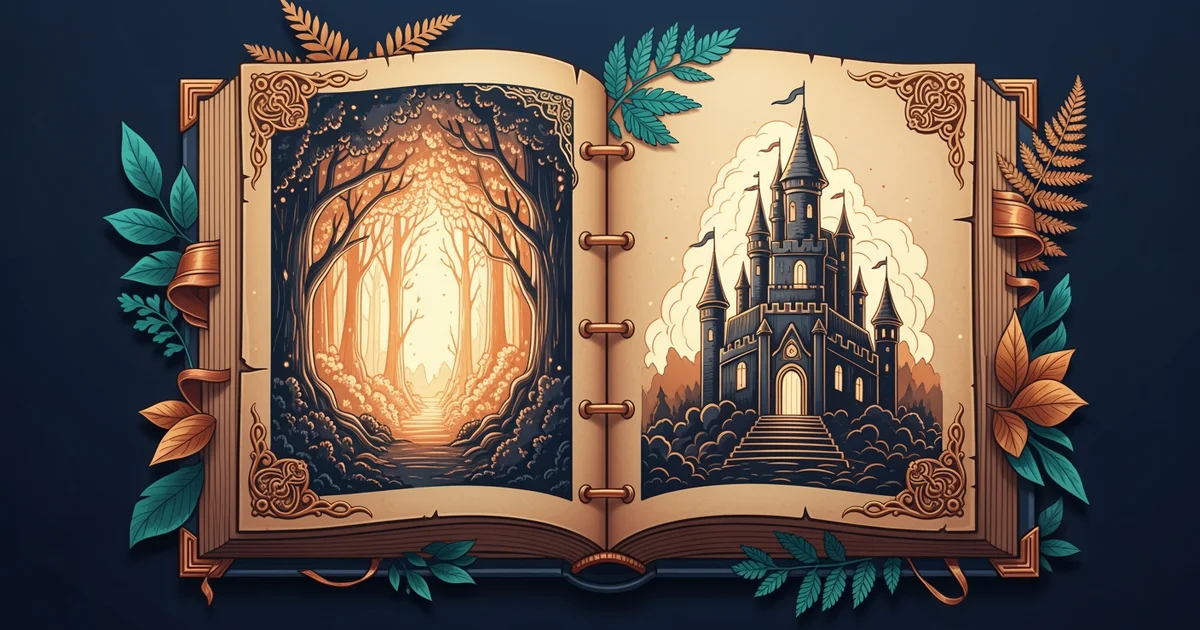
The Synergy of Text and Image
When we look at the relationship between words and art, we see that they act like a musical duet where neither part works perfectly alone. The text provides the narrative structure, while the illustrations provide the emotional texture that words often fail to capture on their own. Think of this partnership like a map and a compass working together during a long hike in the woods. The map tells you the path you must follow, but the compass keeps you oriented toward your destination. Without the map, you lack direction; without the compass, you easily lose your way in the thick forest. Illustrations function as the compass, guiding the reader through the emotional landscape of the plot by highlighting key details that the author might have left unspoken.
This balance is essential because it allows the reader to engage with the story on two levels at once. One level involves the literal comprehension of the plot, while the other involves the sensory experience of the visual world. When an illustrator chooses a specific color palette, they are setting the mood before the reader even processes the first line of text. For instance, cool blues might indicate a sense of calm or sadness, while vibrant yellows often suggest energy or joy. These visual cues prepare the brain to receive the story in a specific emotional state, making the experience more immersive and memorable for the reader.
Elements of Visual Communication
To understand how these books function, we must look at the specific tools that artists use to convey meaning without saying a single word. These elements work together to create a cohesive experience that invites the reader to step inside the frame. The following list explains the primary components that artists use to guide the eye and build depth within a picture book:
- Visual Framing acts as a director would in a movie, choosing where to place the viewer to create either intimacy or distance from the main characters.
- Color Theory uses the psychological impact of different shades to influence the reader's mood, ensuring the visual tone matches the underlying message of the narrative.
- Spatial Composition organizes the objects on the page to show importance, placing the most vital elements in areas where the human eye naturally gravitates first.
These techniques are not just decorative additions to the story; they are fundamental parts of the storytelling process that require careful thought. When an artist decides to leave a large amount of white space on a page, they are creating a moment of silence for the reader to reflect. This space allows the reader to pause and process the information they just consumed before moving to the next part of the journey. By manipulating these elements, the illustrator controls the pacing of the book, ensuring that the reader stays engaged throughout the entire experience.
Key term: Visual Literacy — the ability to interpret, negotiate, and make meaning from information presented in the form of an image.
Finally, the interaction between text and image serves to deepen our understanding of the human experience as we grow into adults. As we encounter more sophisticated stories, we learn to appreciate the subtle ways that art can challenge our perceptions of reality. This process of visual analysis is a skill that translates into our daily lives, helping us navigate a world filled with complex imagery and media. By practicing this skill through literature, we become better at identifying the hidden messages within the visual content we encounter every single day. This foundation allows us to approach new stories with a critical eye, ensuring that we never miss the deeper meaning hidden behind the surface of the page.
Visual storytelling functions as a collaborative partnership where illustrations provide the emotional context that allows text to resonate more deeply with the reader.
The next Station introduces folk tale adaptations, which determine how cultural history shapes the way we interpret modern stories.