
The Golden Age of Fantasy
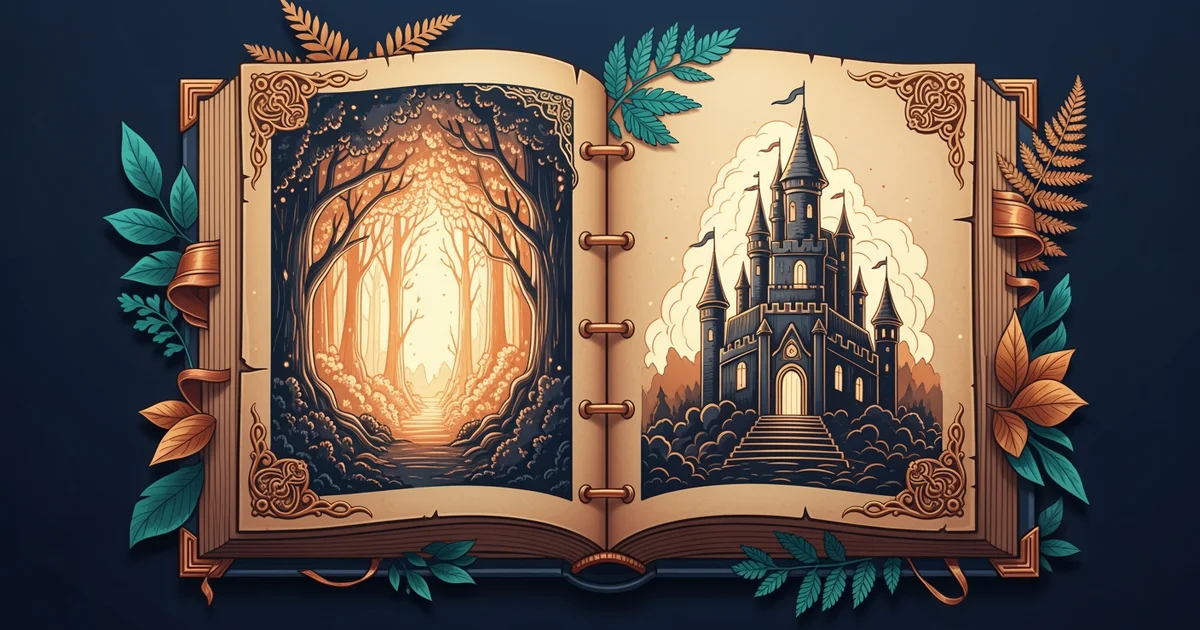
Imagine you are walking through a dense, grey city where every building looks exactly the same. Suddenly, you find a hidden door that leads to a vibrant forest where trees whisper secrets and animals speak in riddles. This shift from the mundane to the magical is the core experience of the Golden Age of Fantasy. During the nineteenth century, writers began to move away from strictly educational stories for children. They started to prioritize pure imagination, wonder, and the thrill of discovery over simple moral lessons. This change marked a turning point in how society viewed the purpose of children's fiction.
The Rise of Imaginative Worlds
Before this period, most stories for young readers focused on teaching obedience or basic religious principles. Writers slowly realized that children possessed a natural hunger for stories that did not serve a rigid lesson plan. They began crafting complex narratives that invited readers to explore impossible landscapes and meet strange creatures. Think of this shift like moving from a plain, nutritious meal to a feast of colorful, exotic fruits. The meal provides the same basic energy, but the feast engages the senses and creates a lasting memory of joy. By removing the constant pressure to behave, these authors allowed young minds to wander freely through uncharted territories of thought.
Key term: Golden Age of Fantasy — a period in the nineteenth century where children's literature shifted toward imaginative, magical narratives over moral instruction.
This new focus on wonder helped children build a deeper connection to their own capacity for creative thought. When a reader enters a world where physics or logic works differently, they must learn to adapt their thinking. They stop looking for the "correct" lesson and start looking for the hidden rules of the new world. This process of adaptation is a vital skill for growing into an adult who can solve problems in the real world. Imaginative stories provide a safe space to practice this mental flexibility without the risk of real-world failure.
Elements of Victorian Fantasy
Victorian writers used specific tools to build these immersive worlds and keep their readers fully engaged. They relied on recurring themes and motifs that helped ground the magic in a sense of reality. The following list highlights the primary characteristics that defined these early fantasy tales:
- Hidden portals: Authors often used mirrors, cupboards, or secret garden gates to bridge the gap between our world and the magical realm.
- Anthropomorphic creatures: Animals that speak or act like humans provided a familiar yet strange lens through which the reader could view complex social behaviors.
- Quest structures: Protagonists usually left their homes to find a lost item or save a kingdom, which gave the narrative a clear sense of progress.
- Subverted rules: Magic systems often operated on internal logic that felt consistent, even when it defied the laws of science or nature.
These elements combined to create a sense of "secondary belief" where the reader accepts the magic as true within the story. This acceptance is crucial because it allows the story to function as a mirror for human emotions. Even in a world of dragons or talking beasts, the characters face fears, loneliness, and the desire for friendship. By placing these human experiences in a fantasy setting, authors made them easier to explore without feeling like a lecture. The magic acted as a buffer that protected the reader while still delivering a powerful emotional impact. As this literary movement grew, it changed the expectations of the reading public forever. Parents and teachers began to accept that play and wonder were as important as discipline for a child's development. This legacy continues to shape the stories we tell today, ensuring that the spirit of the nineteenth century lives on in modern fantasy.
The Golden Age of Fantasy transformed children's literature by replacing rigid moral lessons with imaginative worlds that encourage creative thinking and emotional exploration.
The next Station introduces Illustrations and Visual Storytelling, which determines how visual cues support the themes of fantasy literature.