
Litigating Election Disputes
When a local election results in a razor-thin margin, the losing candidate often seeks a legal remedy to challenge the outcome. Citizens frequently assume that every vote cast is final, but the legal system provides specific pathways to review potential errors or misconduct during the counting process. Understanding these pathways is essential for maintaining public confidence in the integrity of democratic systems. Litigation acts as a final safety valve when administrative oversight fails to resolve disputes regarding ballot validity or procedural compliance.
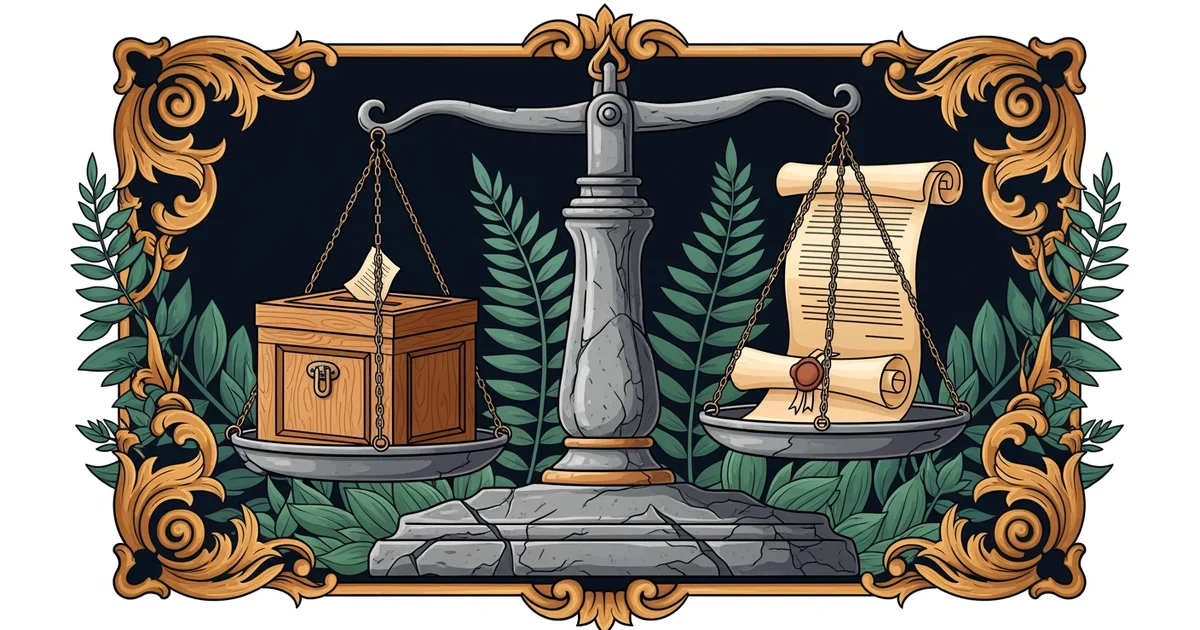
The Judicial Role in Election Contests
Courts play a critical role in verifying that election results align with established state and federal laws. When a party files a lawsuit, they must prove that specific irregularities occurred and that these issues were significant enough to change the final outcome. Judges operate under strict timelines because election results must be certified to allow the government to function without disruption. This process involves evaluating evidence such as challenged ballots, machine malfunctions, or claims of voter intimidation. The court acts as a neutral referee, ensuring that the rules established by legislators are applied consistently to all participants in the contest.
Key term: Election litigation — the formal process of using the court system to challenge the results or procedures of an election contest.
Think of the judicial role like a professional sports referee reviewing a disputed play using slow-motion replay technology. The referee does not change the rules of the game, but they ensure the rules were followed during the specific moment of the play. If the evidence confirms a violation occurred, the court may order a recount or, in extreme cases, invalidate specific results. However, judges are generally reluctant to overturn the will of the voters unless the evidence of wrongdoing is overwhelming and directly impacts the final tally.
Procedural Requirements for Challenging Results
Before a court considers the merits of a case, the petitioner must meet several strict procedural requirements. These rules prevent frivolous lawsuits from delaying the certification of election results across the jurisdiction. Most states require that a candidate show standing, meaning they must be personally affected by the outcome of the election. Furthermore, the timing of the filing is crucial, as late submissions are often dismissed regardless of the strength of the evidence presented. These barriers ensure that only substantive claims reach the courtroom for a full hearing.
The following procedural steps are commonly required when initiating a formal election challenge:
- Filing a timely petition that identifies the specific precincts or districts where the alleged errors occurred, allowing the court to focus its review on relevant data.
- Providing clear evidence of a legal violation, such as testimony from poll workers or forensic analysis of voting equipment, to meet the burden of proof required by law.
- Demonstrating that the identified errors are large enough to change the election winner, as courts will not hear cases that cannot mathematically alter the final result.
By requiring these steps, the law balances the need for election accuracy with the need for finality. If every minor clerical error could trigger a full trial, the government would remain in a state of perpetual limbo. This tension between accuracy and speed is a central theme in how we interpret the foundation question regarding how legal rules shape leadership choices. Earlier stations discussed administrative oversight and voter registration, which serve as the first line of defense against errors. Litigating election disputes is the final phase of this process, where the judiciary settles conflicts that the administrative system could not resolve. This raises a Socratic question: does the reliance on courts to finalize elections strengthen democracy by ensuring fairness, or does it invite political polarization into the judicial branch?
Judicial intervention in election disputes provides a necessary mechanism to correct significant errors while balancing the competing needs for electoral accuracy and administrative finality.
The next station will explore the future of election reform and how technological advancements might change the way we settle these disputes.
This content is educational only and does not constitute legal advice. Laws vary by jurisdiction. Consult a qualified legal professional for advice specific to your situation.