
Understanding Algorithmic Bias
Imagine a hiring manager who only selects candidates wearing blue shirts because they believe blue represents honesty. This manager ignores actual skills and experience, creating a system that unfairly favors one group while excluding qualified people who simply prefer different colors. Algorithmic systems often function like this manager, but their biases are hidden deep within lines of code and massive data sets. When we rely on these automated tools to make life-changing decisions, we must understand how they might replicate human flaws on a massive scale.
Understanding Data Origins
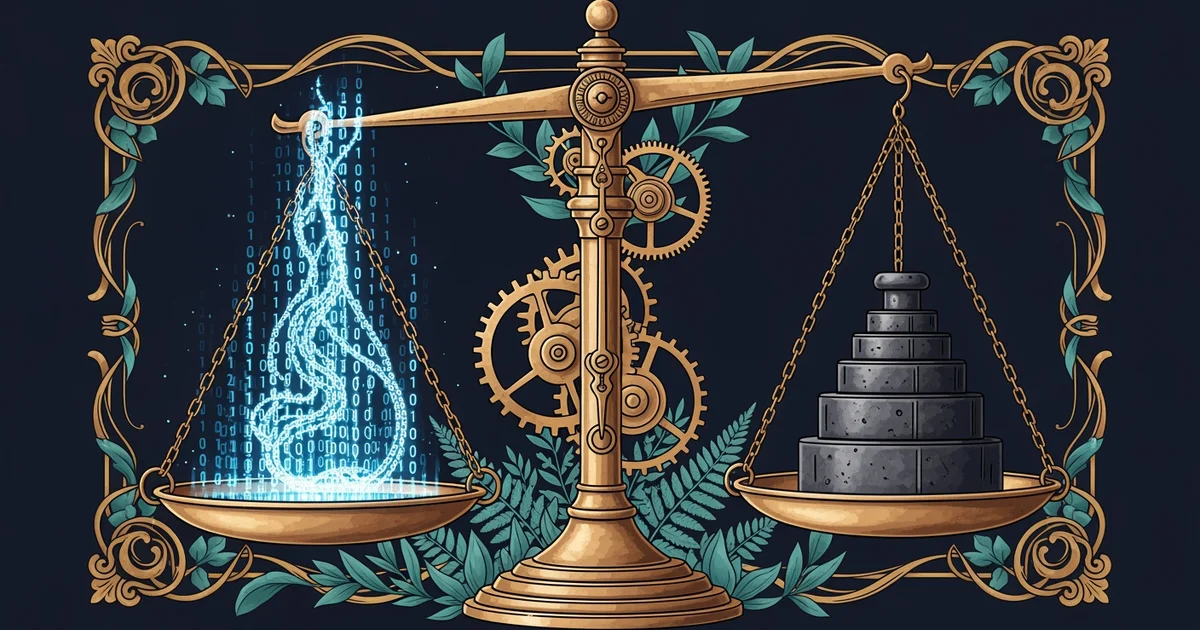
Computers learn to make decisions by analyzing vast amounts of historical information provided by human creators. If this historical data contains past discriminatory patterns, the machine will identify those patterns as the standard for success. For example, if a company only hired men for technical roles for twenty years, the computer will learn that being male is a key indicator of a good employee. This process of algorithmic bias occurs when a system produces results that are systematically prejudiced due to faulty assumptions in the machine learning process. It matters because these tools scale human mistakes, turning small, individual prejudices into widespread, automated barriers that are difficult to identify or challenge.
Key term: Algorithmic bias — the phenomenon where computer systems provide unfair outcomes that reflect implicit human prejudices found in the training data.
These systems often mirror the world exactly as it exists today, including all our societal inequalities. Think of a mirror that reflects only the blemishes on your face while ignoring your clear skin. If you use this mirror to judge your appearance, you will only see the flaws and miss your positive features. Data sets act like this mirror for computers, showing them a narrow, often flawed view of reality. Unless developers actively clean and balance this data, the computer will assume that the historical imbalance is the correct way to function in the future.
Mechanisms of Machine Learning Prejudice
Beyond just bad data, the way we design these systems can also introduce significant errors in judgment. Developers choose which variables the machine should prioritize when calculating a final decision or score. If a programmer tells the machine that zip codes are a neutral factor, the machine might use that location to predict income levels or social status. This creates a proxy for protected characteristics, allowing the system to discriminate without ever explicitly using forbidden categories like race or gender. We see three primary ways that machine learning models inherit these human prejudices from their input data:
- Historical data sets reflect past societal discrimination by encoding old hiring or lending patterns as if they were objective facts about human performance.
- Proxy variables allow the model to make discriminatory inferences about individuals by using seemingly neutral data points that correlate strongly with protected group identities.
- Lack of representative diversity in training samples means the model fails to understand or accurately evaluate people who do not match the dominant majority group.
These structural issues are not merely technical glitches, but rather reflections of the social world we inhabit. When we build these models, we are essentially encoding our own values, fears, and blind spots into the digital infrastructure of our society. The danger lies in the speed at which these systems operate, as they can process millions of decisions in seconds. This makes it nearly impossible for humans to manually audit every single outcome to ensure fairness. We need to acknowledge that automation does not equal neutrality, as machines are only as impartial as the data and the logic we provide them.
Algorithmic bias occurs when automated systems inadvertently learn and amplify human prejudices hidden within historical data and flawed design choices.
The next station will explore how transparency helps us uncover these hidden biases before they cause real-world harm.
This content is educational only and does not constitute legal advice. Laws vary by jurisdiction. Consult a qualified legal professional for advice specific to your situation.