
Legacy of Burial Customs
Imagine you are packing for a trip that lasts forever while you only have one small suitcase. Ancient Egyptians faced this exact dilemma when they prepared for their final journey into the afterlife. They believed that death was merely a transition rather than a permanent end to their existence. Because they viewed the afterlife as a mirror of their earthly life, they invested massive amounts of resources into their burial customs. This practice created a lasting cultural legacy that shaped how they perceived their gods and their own daily lives. By examining these traditions, we gain a clear window into their core values and social structures.
The Cultural Weight of Funerary Traditions
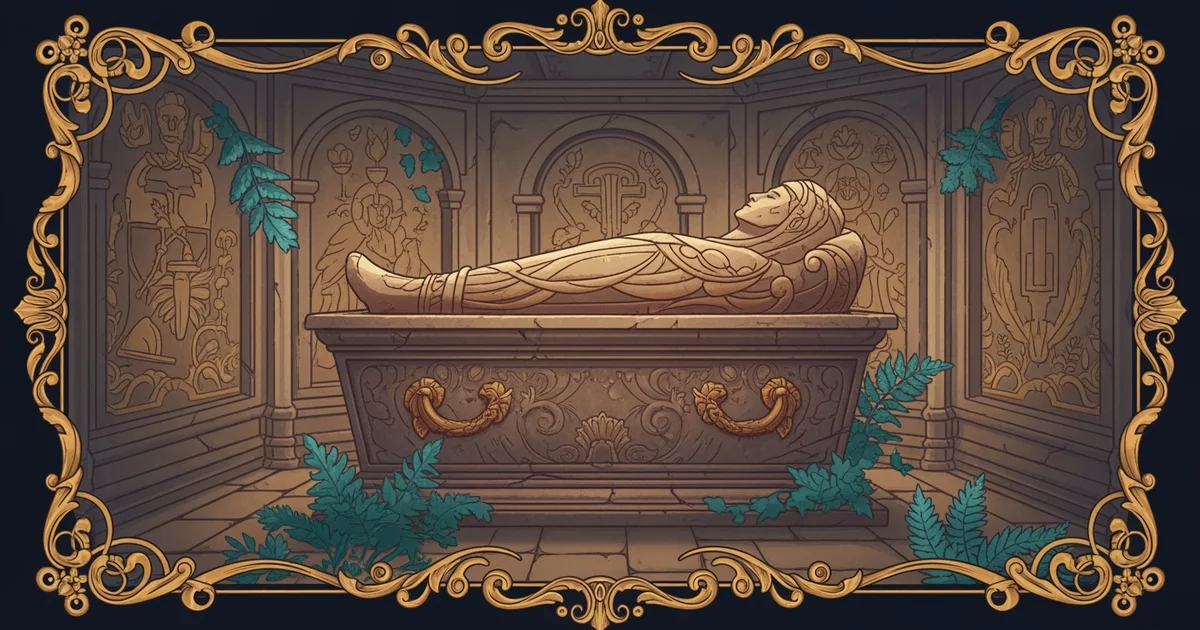
When we look back at the burial sites, we see that these practices served as a bridge between the living and the dead. The funerary rites were not just about mourning a loss but were active preparations for a new state of being. Families spent great wealth to ensure the deceased had the proper tools to navigate the underworld. This investment reflects a deep cultural commitment to maintaining order in both the present and the future. Much like an insurance policy protects your financial future today, these elaborate burials protected the soul against the uncertainties of the afterlife. The scale of these efforts shows how central the concept of eternity remained in their collective consciousness.
These burial customs were deeply tied to the social status variations we have explored in previous stations. The following list highlights how different groups expressed their cultural legacy through burial:
- The royal class built massive stone pyramids to ensure their divine status remained intact for eternity — this required a national effort that involved thousands of skilled workers.
- The middle class utilized decorated tombs that featured painted scenes of daily life — these images functioned as a spiritual map to guide the soul through the afterlife.
- The common people relied on simpler pit burials that included basic pottery and tools — these items served as essential provisions for the journey into the next world.
By comparing these burial methods, we can see that the desire for a successful afterlife was a universal priority across all levels of society. While the materials differed, the intent remained consistent throughout the entire history of the civilization.
Sustaining the Legacy Through Archaeological Insight
We must consider how these ancient choices continue to influence our modern understanding of human history and culture. Archaeology allows us to reconstruct the values of a society that vanished thousands of years ago. The physical remains of tombs provide evidence of their religious beliefs and their technical skills. Because they documented their hopes for the afterlife so thoroughly, we can trace the evolution of their spiritual thought over many centuries. This legacy is not just about the gold and stone left behind, but about the enduring human need to find meaning beyond the physical world.
Key term: Afterlife — the belief in a continued existence of the soul or consciousness after the physical body has ceased to function.
Historians still debate the extent to which these burial practices influenced neighboring cultures in the ancient Mediterranean region. Some experts argue that the Egyptian model of tomb construction set a standard that other civilizations tried to replicate. Others suggest that these customs were unique responses to the specific environmental challenges of the Nile Valley. This unresolved tension in the field highlights why the study of funerary practices remains so vital for modern researchers. We are still learning how these ancient people defined their place in the universe through their treatment of the dead.
| Feature | Purpose | Cultural Significance |
|---|---|---|
| Mummification | Preservation | Respect for the physical body |
| Grave Goods | Utility | Preparation for the journey |
| Tomb Art | Guidance | Connection to the divine |
These elements worked together to create a cohesive system that supported the Egyptian worldview for millennia. By analyzing these components, we see that their funerary practices were the primary engine for their artistic and architectural development. The legacy of these customs is the preservation of their history for us to study today.
The legacy of ancient Egyptian burial customs lies in how they turned the fear of death into a highly structured system that reinforced their social order and religious faith.
Understanding these ancient funerary practices provides a profound look at how a civilization can define its entire cultural identity through its preparation for the unknown.