
The Concept of the Afterlife
The Spiritual Journey of the Deceased
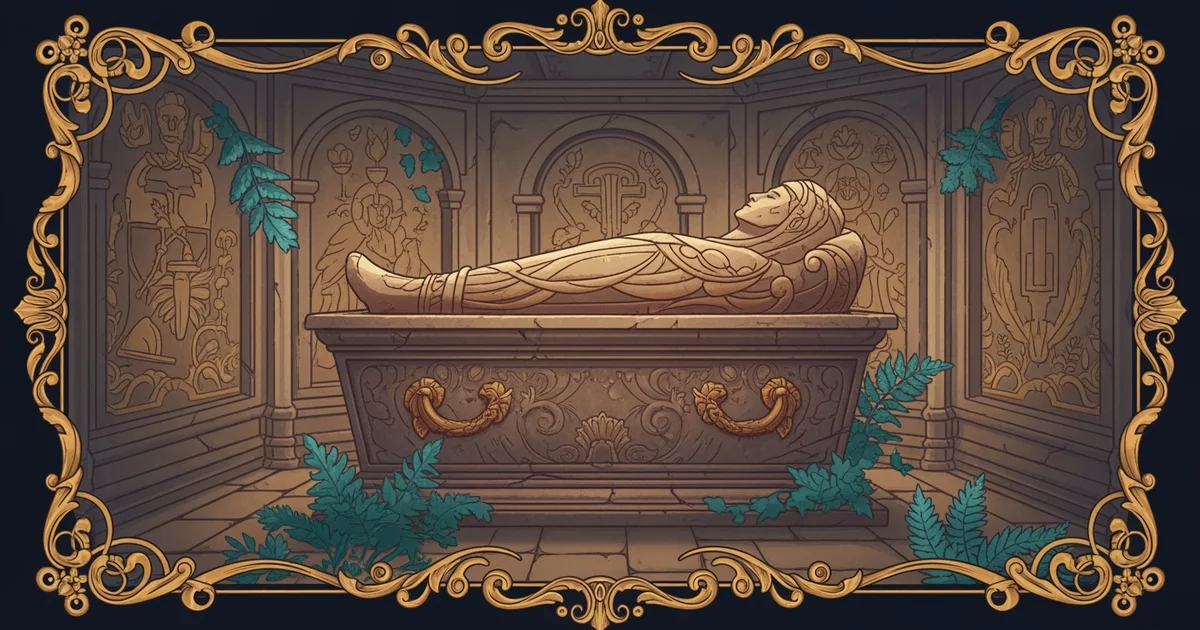
Ancient Egyptians viewed death as a natural transition to a new existence. They believed that life continued in a parallel realm known as the Field of Reeds. This afterlife was a perfected version of the world they already knew well. To reach this paradise, the deceased needed to prepare their soul for a journey. They also required physical preservation to ensure the soul had a home base. Every funerary practice served the purpose of securing this eternal, peaceful, and joyful transition.
The Concept of Maat and Ethics
Central to this belief system was the principle of Maat, or truth. Maat represented balance, justice, and the fundamental order of the entire universe. Egyptians believed that living a life aligned with Maat was essential. If a person lived honestly, they would pass the final judgment after death. This moral requirement meant that funerary practices were not just for the elite. Even common people hoped for a positive outcome based on their daily actions. The preparation for death was essentially an extension of living a moral life.
The Components of the Soul
Ancient Egyptians believed the human soul had several distinct and important parts. The most famous parts were the Ka and the Ba. The Ka acted as the vital life force of the person. It needed physical sustenance to survive in the afterlife, which required regular food. The Ba represented the personality or the unique spirit of the individual person. The Ba could move between the tomb and the world of the living. These two parts needed to reunite to ensure the person remained whole. Proper burial rites were the only way to facilitate this necessary spiritual reunion.
The Role of Ritual Preservation
Preservation was the primary physical task for the family of the deceased. Without a body, the soul would lack a permanent anchor in the world. This necessity led to the development of complex embalming and mummification techniques. The process aimed to stop decay so the spirit could recognize its vessel. Priests performed these rites while reciting prayers to protect the body from harm. These rituals were deeply rooted in the mythology of the god Osiris. Osiris was the first being to be mummified and resurrected as a king.
Symbolism in the Burial Chamber
The tomb served as a bridge between the living world and the dead. Inside these chambers, art and objects provided everything required for the next life. Wall paintings depicted scenes of daily life, agricultural work, and religious festivals. These images were not just decorative but functioned as magical tools. They ensured that the deceased would have plenty of food and comfort. The tomb was a house for the spirit to reside in forever.
If (Life = Moral) then (Afterlife = Success);
If (Body = Preserved) then (Soul = Anchored);
If (Maat = Maintained) then (Judgment = Passed);
Conclusion: Funerary Rites = Essential for Eternal Life.
∎
This logical structure illustrates how Egyptians viewed the connection between their actions and their afterlife. Every action taken during the funeral had a specific religious or practical purpose. The goal was to ensure the person successfully transitioned into the next stage of being. By understanding these beliefs, we gain a clear window into their values. They prioritized order, family, and the hope for a future beyond the grave.
The Importance of Legacy
Finally, we must consider the lasting impact of these burial traditions. Today, these practices allow archaeologists to learn about the daily lives of Egyptians. The grave goods tell us about their fashion, their diet, and their tools. The funerary texts provide insight into their language and their complex theology. We study these sites to understand how a civilization faced the mystery of death. Their dedication to the afterlife reflects a profound love for life itself. This path will guide you through the mechanics of these ancient rituals.
We will explore how the tomb was constructed and how the body was prepared. We will also examine the magical amulets that protected the spirit from danger. By the end of this journey, you will understand the deep cultural meaning behind these burial customs. Prepare to step into the world of the ancient Egyptians and their eternal quest.