
The Role of the Soul
Imagine you are trying to keep a house running while you are away on a long trip. You need someone to watch the property, but you also need to manage your finances and personal affairs from a distance. Ancient Egyptians faced a similar challenge when they considered the journey beyond death. They believed the soul was not one single piece, but a collection of distinct parts that performed different tasks. Understanding these parts explains why they invested so much effort into preserving the physical body after death. Without these components, the soul could not function in the afterlife.
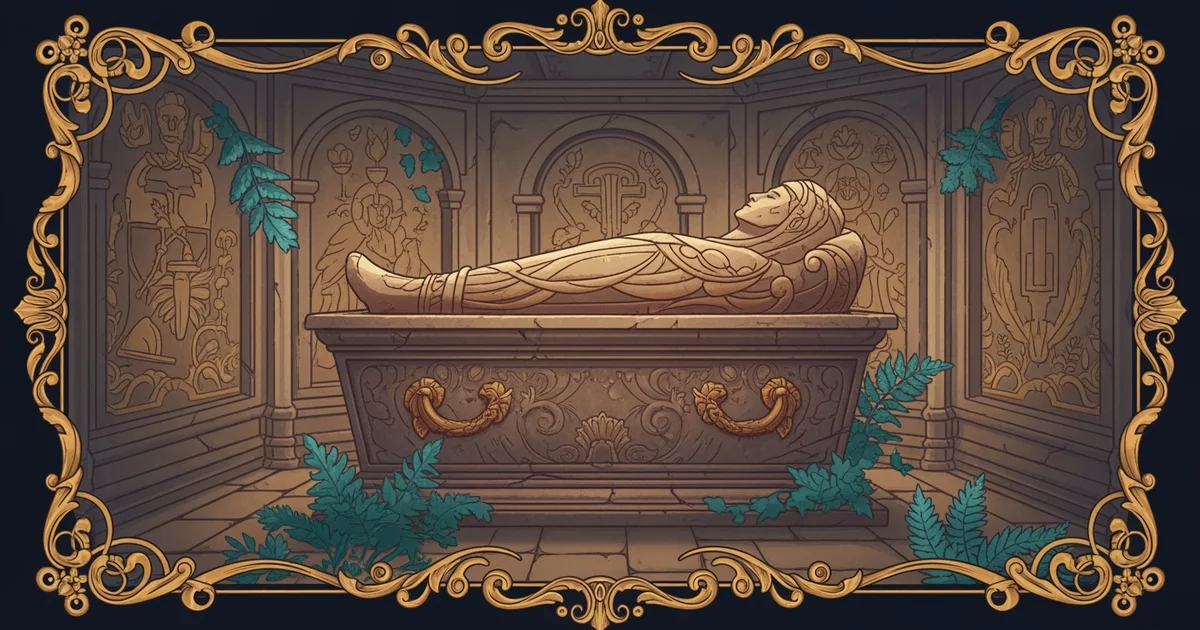
The Dual Nature of the Soul
Ancient Egyptians viewed the human spirit as a complex system of vital energies. The two most important parts were known as the Ka and the Ba. Think of the Ka as your personal life force or your vital energy source. It required physical sustenance to remain active, which is why families offered food to the deceased. The Ba, by contrast, represented your unique personality and your individual consciousness. It was often depicted as a bird with a human head, showing its ability to travel freely. These two parts had to work together to ensure the person survived in the field of reeds.
Key term: Ka — the vital spark or life force that required regular offerings of food and drink to sustain its existence in the afterlife.
When the body died, the Ka stayed near the tomb to receive offerings from the living. Meanwhile, the Ba could leave the tomb during the day to visit the world of the living. It would return to the burial chamber each night to reunite with the physical body and the Ka. This nightly reunion was essential for the soul to find rest and renewal. If the body decayed, the Ba would have no place to return, and the soul would face a permanent, terrifying end.
Comparing the Soul Components
To see how these parts functioned, it helps to look at their specific roles and requirements. The following table highlights the differences between these two essential aspects of the Egyptian soul.
| Soul Part | Primary Function | Needs for Survival | Movement Ability |
|---|---|---|---|
| Ka | Vital life energy | Food and drink | Stays near tomb |
| Ba | Unique personality | Body to return to | Travels freely |
| Akh | Transfigured spirit | Proper rituals | Lives with gods |
These components were not just abstract ideas, but practical concerns for every Egyptian citizen. The Akh was the final transformation, appearing only after the Ka and Ba successfully merged. This state represented the spirit becoming a powerful, shining entity among the divine beings in the heavens. Achieving this level required the correct burial rituals, prayers, and the preservation of the physical form. If the family failed to provide these, the soul could not complete its journey to the afterlife.
This system functioned like a complex business operation. The Ka acted as the physical infrastructure that needed constant maintenance, while the Ba served as the traveling representative that checked on the world. If the infrastructure collapsed, the representative could not conduct business. This explains the intense focus on tombs, statues, and food offerings. Every action taken by the family served to keep the soul components healthy and functioning. They believed that death was not a final stop, but a transition requiring careful management of these spiritual assets. By maintaining the physical site, the living ensured that their ancestors remained active and powerful in the realm of the gods.
Ancient Egyptians believed the soul consisted of multiple parts that required physical preservation and regular offerings to thrive in the afterlife.
Now that we understand the needs of the soul, we must look at how the physical body was prepared to house these spiritual components through mummification.