
Social Status Variations
Imagine walking through a bustling marketplace where the quality of your goods dictates exactly how much space you can buy for your home. Ancient Egyptians viewed the journey into the afterlife through this same lens of social standing and personal wealth. While the goal of reaching the Field of Reeds remained constant for all people, the physical preparation for that journey varied wildly depending on one's status in life. Those with significant resources could afford elaborate preservation, while others relied on simpler methods that still honored their spiritual hopes.
The Economics of Eternal Preparation
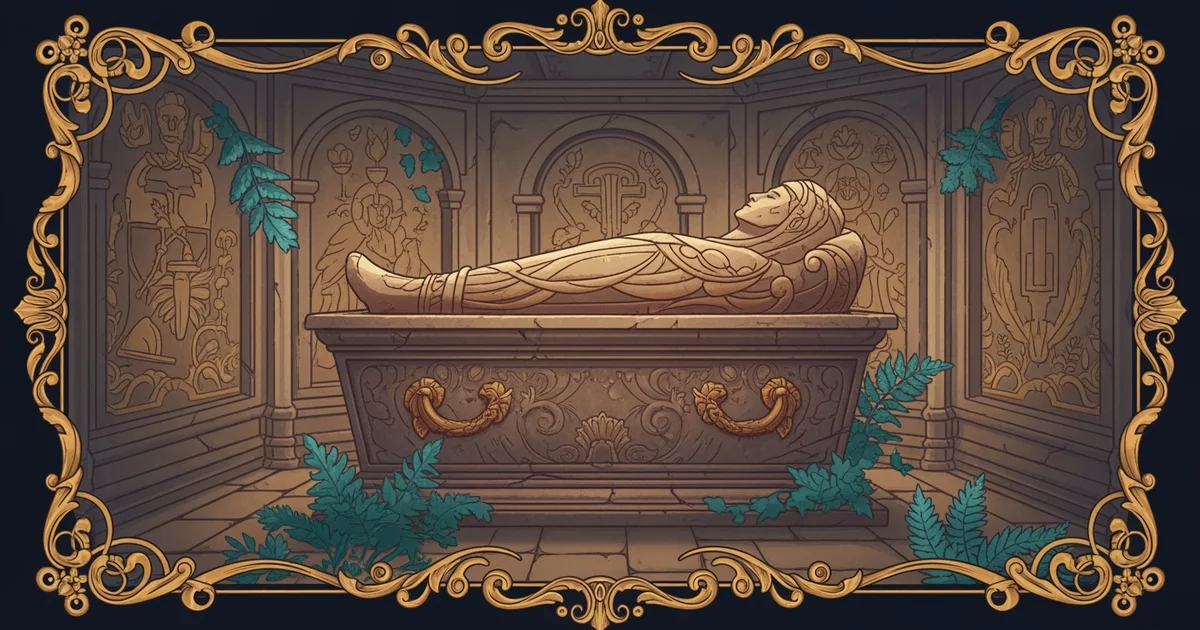
Wealth in ancient Egypt functioned much like a modern investment portfolio where early capital yields better long-term security. Elite members of society secured their afterlife through massive stone tombs and expensive mummification processes that preserved the physical body for eternity. These individuals viewed their burial as a permanent residence, much like a homeowner investing in a luxury estate to ensure comfort for decades. In contrast, common laborers often found themselves buried in simpler graves located in the desert sands. The arid heat acted as a natural drying agent, which provided a basic form of preservation without the high cost of expensive resin or linen wrappings. This economic divide meant that while everyone sought a place in the afterlife, the path to get there reflected the specific resources available to them during their mortal lives.
Key term: Mummification — the complex process of preserving a human body through dehydration and chemical treatment to prevent decay.
These differences in burial quality created a visible hierarchy that reinforced the social order even after death. Pharaohs and high-ranking officials filled their tombs with shabti dolls, which were small figurines designed to perform manual labor for the deceased in the next world. This practice allowed the wealthy to essentially outsource their afterlife duties, ensuring they could enjoy a life of leisure in the Field of Reeds. Regular citizens, meanwhile, focused on simpler offerings and personal amulets to guide their spirits safely past the judgment of the gods. The scale of these offerings highlighted how deeply their cultural beliefs regarding death were tied to the tangible assets they could accumulate and dedicate to the afterlife.
Contrasting Burial Traditions
Beyond the physical tomb, the methods used to prepare the body for the afterlife showed significant variation based on social class. The following table outlines the primary differences in how different levels of society approached the transition to the afterlife:
| Social Class | Burial Method | Primary Offerings |
|---|---|---|
| Pharaohs | Stone Pyramids | Gold, jewelry, and shabti dolls |
| Middle Class | Mastaba Tombs | Pottery, food, and protective amulets |
| Commoners | Desert Sand Graves | Basic tools and simple clay vessels |
This distribution of resources confirms that funerary practices were never uniform across the entire Egyptian population. While the wealthy invested in elaborate structural protections to guard their bodies, the common people relied on the natural environment to fulfill their spiritual needs. This reliance on the natural landscape shows that even those with fewer resources could participate in the same cultural cycle of death and rebirth as the elite. The core belief in the necessity of the physical body remained the foundation for all, regardless of the specific tools used to maintain it.
By comparing these practices, we see that the Egyptian view of the afterlife was an extension of their living society. Those who held power in the physical world expected that same level of comfort to continue into the next existence. This alignment between life status and death preparation raises a Socratic question about the true nature of their faith. Did the Egyptians believe that the gods favored the wealthy, or were these elaborate rituals simply a way for the living to express their own social power? This tension between spiritual equality and social reality remains a central focus for researchers studying these ancient traditions today. The legacy of these customs continues to shape our understanding of how ancient people navigated the unknown through the lens of their own daily lives.
Social status in ancient Egypt dictated the complexity of funerary preparations, yet the fundamental belief in the necessity of preserving the body for the afterlife remained a shared cultural goal for every citizen.
The lasting impact of these burial customs on modern archaeology will be explored in the next station as we examine the legacy of these ancient practices.