
The Opening of the Mouth
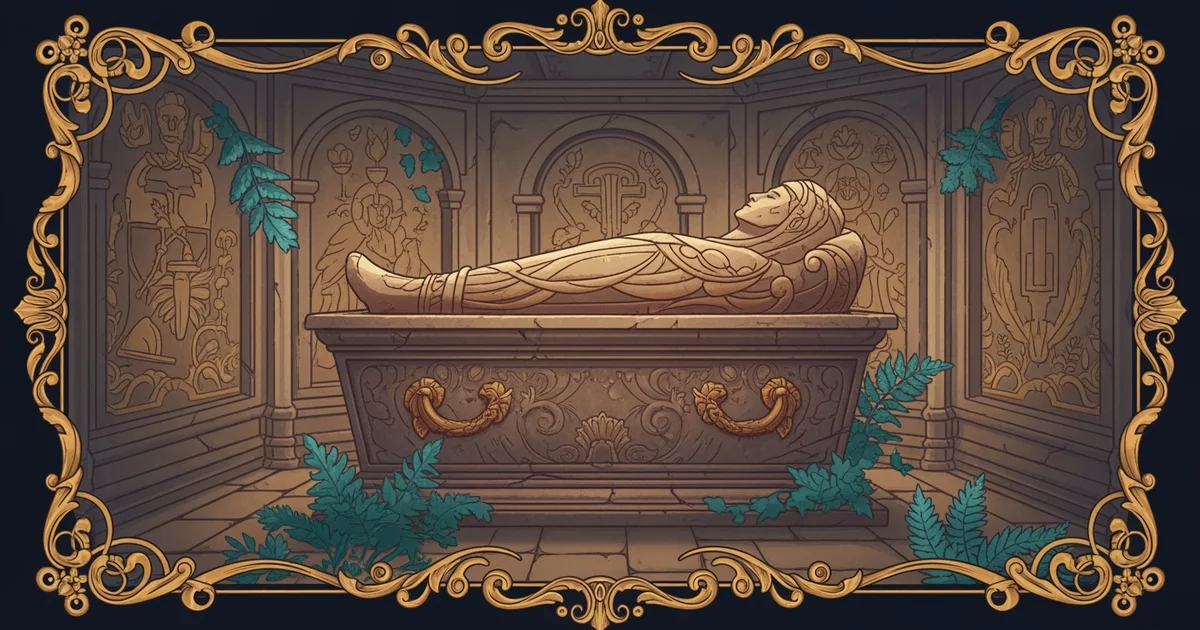
When a visitor enters the tomb of a high official in the Valley of the Kings, they notice that the statues and painted figures seem to stare back with a fixed, unmoving gaze. This experience mirrors the ancient Egyptian belief that a statue could serve as a physical vessel for the soul, provided the vessel was properly activated. Much like a modern computer requires a software update to function, the deceased required a specific ritual to interact with the world of the living. This is the Opening of the Mouth ceremony, a vital step in ensuring the spirit could breathe, eat, and speak in the afterlife. Without this activation, the spirit remained trapped within the silent, rigid stone of the sarcophagus or the tomb wall.
The Purpose of Ritual Activation
Ancient Egyptians believed that death was not a final end but a transition to a new existence. To survive in this new realm, the deceased needed their senses restored to their physical form. If a person died, their body lost the ability to perform basic life functions, such as talking or consuming food. The Opening of the Mouth ceremony served as the bridge between the physical body and the spiritual essence. Priests would touch the face of the mummy or the statue with sacred tools to restore these lost abilities. This ritual allowed the spirit to receive offerings, which were necessary for their continued existence in the field of reeds. By restoring these senses, the priests ensured that the deceased remained a powerful, active presence rather than a forgotten ghost.
Key term: Opening of the Mouth — a complex funerary ritual designed to restore the senses to a mummy or statue.
Tools and Procedures of the Rite
The ceremony involved several specific implements that held deep symbolic meaning for the attending priests. The most important tool was the adze, a curved blade used by carpenters to shape wood, which represented the act of creation. By using a tool of creation on the deceased, the priest symbolically carved life back into the silent form. The process followed a strict set of movements to ensure the ritual magic took full effect. The priests moved through these steps with precision to avoid any errors that might hinder the spirit:
- The priest purified the statue or mummy using water and incense to create a sacred space for the spirit to inhabit.
- The priest touched the mouth and eyes with the adze to magically grant the ability to speak, see, and eat again.
- The priest performed an offering of food and drink to prove that the senses were fully restored and ready for use.
Symbolism in the Afterlife
This ritual was not merely a performance for the living but a necessary requirement for the soul. Just as a business owner must sign a contract to make a legal agreement official, the Egyptians viewed this ritual as the legal contract for the afterlife. If the ritual was skipped, the spirit would starve because it could not consume the spiritual essence of the food offerings. The ritual ensured that the deceased could navigate the dangers of the underworld and plead their case before the gods. It turned a silent, lifeless object into a vibrant participant in the eternal cycle of life and death. The precision of the movements was believed to be just as important as the intent behind the ceremony itself.
| Ritual Stage | Primary Action | Intended Outcome |
|---|---|---|
| Purification | Use of incense | Cleansing the vessel |
| Activation | Touching the face | Restoring the senses |
| Sustenance | Offering food | Enabling eternal life |
By examining the historical context of the Old Kingdom, we see how this practice evolved over several centuries into a standard requirement for all elite burials. This is the application of funerary theology from Station 10 working in real conditions. The ritual transformed the tomb into a functional gateway rather than a static storage space for the dead.
The Opening of the Mouth ceremony served as a necessary ritual bridge that restored sensory functions to the deceased, allowing their spirit to interact with the world and receive essential offerings.
But this ritual model faces a significant limitation when we consider how the poor or unranked citizens accessed similar spiritual protections without the expensive priestly services.