
Coffin Artistry Evolution
Imagine choosing a permanent home that must last for an entire eternity. Just as you might pick a sturdy house for your family to live in for decades, ancient Egyptians carefully selected their final resting vessels based on status and changing artistic trends. These coffins were not merely boxes for the body, but complex machines designed to protect the soul during its long journey. Over many centuries, the style of these containers shifted from simple rectangular boxes to highly ornate, human-shaped forms. This transition reflects deeper changes in how people viewed the body and its need for spiritual preservation.
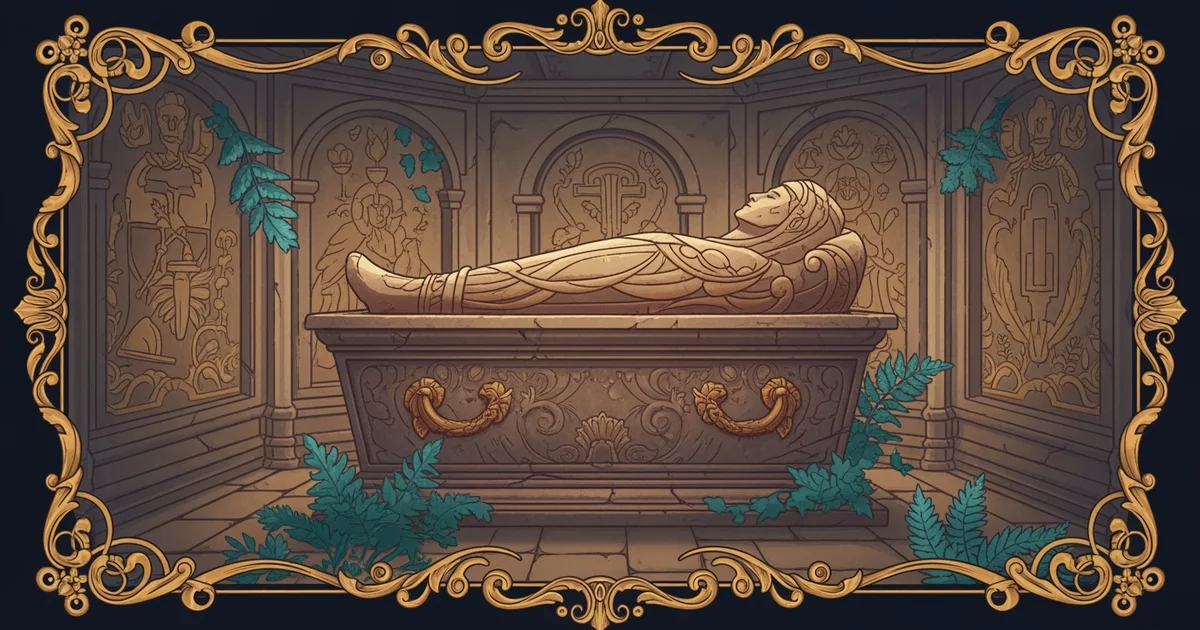
The Evolution of Coffin Styles
Early funerary containers were often plain, rectangular wooden chests that prioritized basic function over decorative flair. As time progressed, craftsmen began to view the coffin as a canvas for religious protection and personal identity. They started adding painted scenes that depicted the deceased interacting with various gods and spirits. This shift turned the exterior of the coffin into a map for the afterlife, guiding the spirit through dangerous realms. Think of this process like upgrading a basic smartphone to a high-end device with custom apps; the core purpose remained the same, but the interface became much more powerful.
Key term: Anthropoid — a coffin style shaped specifically to mimic the human form of the deceased person.
As the culture moved toward the Middle Kingdom period, the anthropoid coffin became the standard choice for those who could afford it. These coffins featured carved faces and detailed painted features that helped the soul recognize its own body after death. By sculpting the wood to match the human silhouette, artists ensured that the spirit could easily reunite with its physical shell. This development was crucial because it linked the identity of the person directly to their funerary equipment, creating a permanent visual record of the individual.
Materials and Artistic Expression
Beyond the physical shape, the materials used to create these coffins varied significantly based on the wealth of the family. While common citizens used simple reeds or basic wood, the elite demanded exotic materials like cedar or gold leaf. These expensive choices were not just for show, as they signaled the high status of the person within the social hierarchy. The following table illustrates how different materials were utilized to convey status and provide protection during the burial process:
| Material | Significance | Typical Usage |
|---|---|---|
| Reed/Mat | Basic protection | Common burial |
| Sycamore | Standard wood | Middle class |
| Cedar | Imported luxury | Royal elite |
| Gold Leaf | Divine status | Pharaonic burial |
This material hierarchy shows that the coffin functioned like a high-end fashion statement in a modern society. Just as expensive clothes signal success, the materials of the coffin communicated the importance of the deceased to the gods. The artisans who built these items were highly skilled masters who understood that every brushstroke had a specific spiritual function. They painted protective spells and symbols directly onto the wood, ensuring that the coffin acted as a shield against malevolent forces.
These artistic choices were not random, as they followed strict rules established by the priesthood. The colors used on the coffins often had specific meanings, such as green for rebirth or blue for the heavens. By mastering these symbols, the artists created a visual language that helped the deceased navigate the afterlife. This evolution of design shows that the Egyptians were constantly refining their funerary technology to better serve the needs of the soul. They understood that the physical container was the anchor for the spirit, and they invested immense resources to ensure it remained secure for all time.
The transformation of coffin design from simple boxes to complex, human-shaped vessels demonstrates the increasing importance of personal identity and spiritual security in the Egyptian afterlife.
But what specific rituals were performed to activate these artistic vessels for the spirit to use?