
Sensor Fusion Techniques
Imagine trying to catch a falling glass while wearing thick, heavy winter gloves. Your eyes see the glass moving, but your hands struggle to feel the weight or texture of the object. Robots face this same struggle when they rely on just one type of sensor to interact with the world. A camera might see the object, but it cannot always tell if the object is slippery or fragile. To solve this, engineers use sensor fusion to combine data from many different inputs into one single, clear picture. When a robot processes both visual and touch data at the same time, it gains a much better grasp of reality.
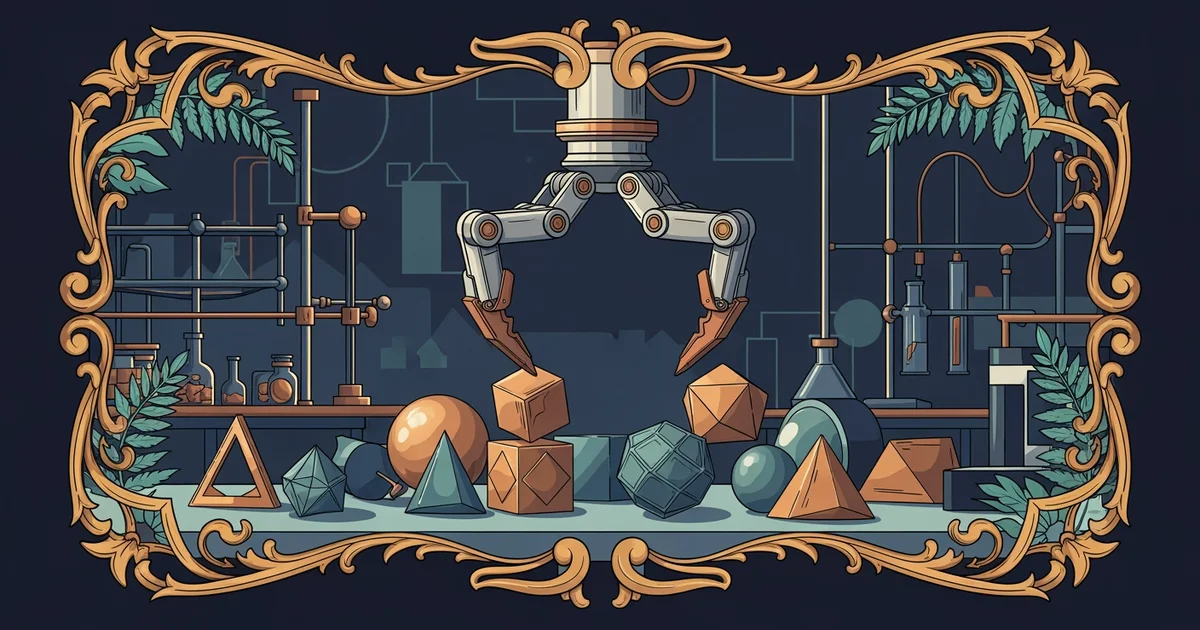
Combining Diverse Sensory Inputs
When a robot reaches for an item, it must process information from different sources to succeed. A camera provides visual data, which helps the robot locate the object in its workspace. However, cameras often struggle with depth perception or objects that hide behind other items. This is why we add tactile sensors to the robot's fingers to feel the object's surface. These sensors detect pressure, temperature, and vibration, which helps the robot know if it has a firm hold. By merging these two data streams, the robot creates a more reliable map of its environment than either sensor could provide alone. Think of this process like a chef who uses both sight and taste to perfect a complex sauce. The chef looks at the color and texture while also tasting the saltiness to ensure the flavor is balanced. If the chef only used sight, the sauce might look perfect but taste terrible. By using both senses, the chef makes a much better decision about what the dish needs next. Robots perform this same balancing act to handle objects without crushing them or dropping them.
Key term: Sensor fusion — the process of combining data from multiple sensors to reduce uncertainty and improve the accuracy of robotic perception.
Managing Data Streams for Precision
To make these systems work, robots must synchronize the incoming data from every sensor in real time. If the camera data arrives a split second before the touch data, the robot might make a wrong move. Engineers use high-speed controllers to ensure that the visual and tactile information align perfectly during the movement. This alignment allows the robot to adjust its grip strength based on what it sees and feels. The following table highlights how these sensors work together to help the robot complete its tasks.
| Sensor Type | Primary Data | Role in Manipulation | Limitation |
|---|---|---|---|
| Camera | Visual | Locating objects | Depth accuracy |
| Tactile | Pressure | Grip adjustment | Range of view |
| Proximity | Distance | Collision avoidance | Surface detail |
By comparing these inputs, the robot can overcome the weaknesses of any single sensor. For example, if the camera is blocked by glare, the tactile sensors can still confirm the object is present. This redundancy makes the robot much more robust in messy, unpredictable environments. The robot does not panic when one sensor fails because it has other ways to verify the situation. This multi-layered approach is the secret to building machines that can handle almost any physical task with grace.
Improving Robotic Decision Making
Once the sensor data is combined, the robot uses algorithms to decide on the best physical action. These calculations allow the robot to interpret messy real-world conditions like dust or poor lighting. The robot continuously updates its internal model of the object as it moves its hand. This constant feedback loop ensures that even if the object shifts, the robot can adjust its grip instantly. The ability to process this data quickly is what separates basic machines from advanced, adaptable robotic systems. We see this in how a human picks up a slippery, wet soap bar in the shower. Our eyes tell us where the soap is, but our skin tells us how much force to apply. If the soap starts to slide, our hands immediately tighten their grip based on the tactile feedback. Robots are now learning to mimic this natural human coordination to handle delicate items in factories and homes alike. By blending these inputs, robots move from simple pre-programmed paths to smart, responsive physical interactions that mimic our own biology.
Reliable physical interaction requires merging visual and tactile data to create a complete understanding of the object and the environment.
But what does it look like in practice when we apply these fused signals to high-speed decision-making?
Want this with sources you can check?
Premium Learning Paths for Engineering & Robotics are researched against open-access libraries — PubMed, arXiv, government databases, and more — with their distinctive claims cited to real sources and independently checked.
See what Premium includes