
Generalization in Robotics
Imagine a robot that can only pick up a red ball from a specific table. If you move the ball or change the table color, the robot stops working completely. This rigid approach to robotics creates machines that fail the moment their environment changes slightly. To build truly useful robots, we must move away from these brittle, hard-coded scripts toward systems that understand the world. This transition from narrow task execution to flexible problem solving is the core of modern robotics.
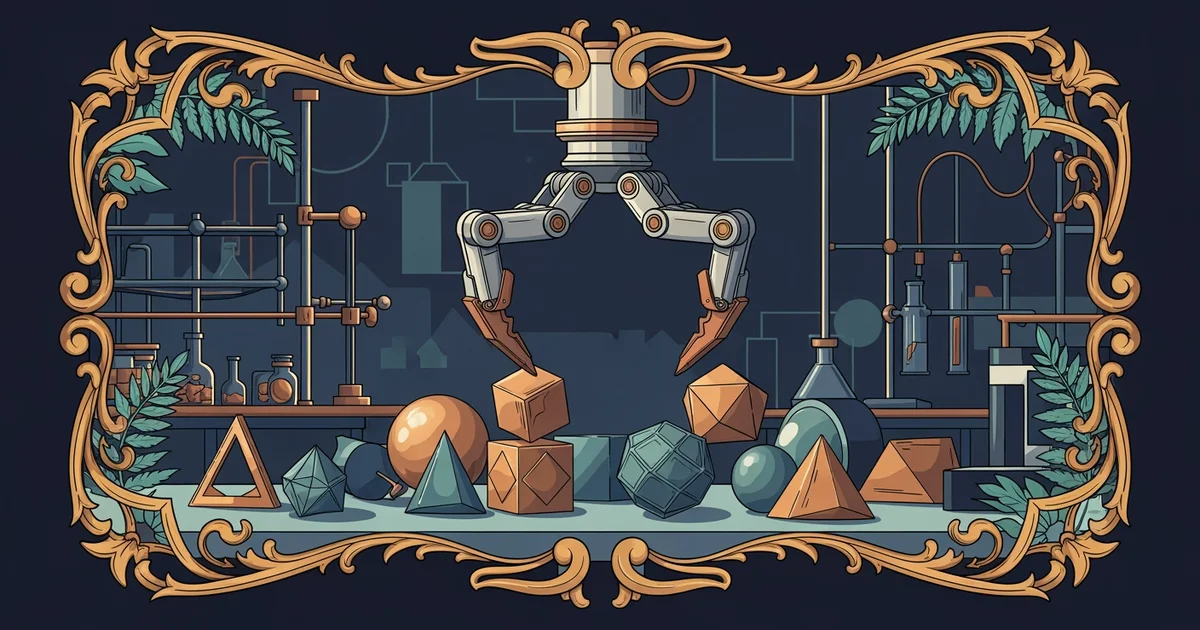
The Shift Toward Flexible Robotics
When engineers build robots for a single task, they write exact lines of code for every movement. This is like a chef who only knows how to bake one specific cake by following a rigid, step-by-step recipe. If the kitchen runs out of flour or the oven temperature changes, the chef cannot adapt and the cake fails. In the world of robotics, we call this Generalization, which is the ability of a machine to perform tasks in environments it has never seen before. A robot with high generalization does not need a new program for every minor change in its surroundings.
Key term: Generalization — the capacity of a robotic system to apply learned skills to new, unseen objects or environments without requiring manual reprogramming.
Think of this like learning to drive a car on a sunny day. If you only practiced on one straight road during the day, you might struggle when it rains or when you encounter a winding mountain path. A skilled driver generalizes their knowledge of steering and braking to handle these new conditions easily. Robots need this same flexibility to function in our messy, unpredictable world. By using large datasets, we teach robots the general principles of grasping and moving objects rather than just memorizing one specific path.
Why General Models Outperform Scripts
Transitioning to general models changes how we design robotic software. Instead of writing thousands of lines of code for every possible scenario, we provide the robot with a system that learns patterns. This process is similar to how a person learns to use a new tool by observing how it works. Once the robot understands the concept of a handle, it can pick up a hammer, a mug, or a door latch without needing a unique script for each item. This efficiency saves massive amounts of development time and makes robots far more reliable in real-world settings.
We can compare the two approaches to understand why flexibility is so valuable for modern engineering projects:
| Feature | Task-Specific Scripts | Generalization Models |
|---|---|---|
| Flexibility | None — breaks if changed | High — adapts to variations |
| Training | Manual coding per task | Learning from large data |
| Setup Time | Very high for every task | High initial, low later |
| Reliability | High in perfect settings | High in messy settings |
Using these general models allows robots to handle the unexpected nature of a home or a warehouse. If a box is placed at an odd angle, a specific script would likely fail to grasp it. A general model recognizes the shape and adjusts its grip to match the new orientation. This ability to handle variety is the primary benefit of moving toward general models over outdated, task-specific scripts.
To ensure our robots can handle diverse physical objects, we must focus on training them with enough variety. If we only show the robot smooth, plastic items, it will struggle when it encounters rough wood or soft fabric. By exposing the system to a wide range of textures, shapes, and weights, we build a robust foundation. This helps the robot understand the underlying physics of the world rather than just reacting to specific visual inputs. The goal is a robot that sees a new object and knows how to interact with it based on past experience.
True generalization allows a robot to apply its existing knowledge to new, unseen environments by focusing on core principles rather than rigid, pre-programmed instructions.
The next Station introduces Imitation Learning Basics, which explains how robots use human examples to develop these flexible movement skills.